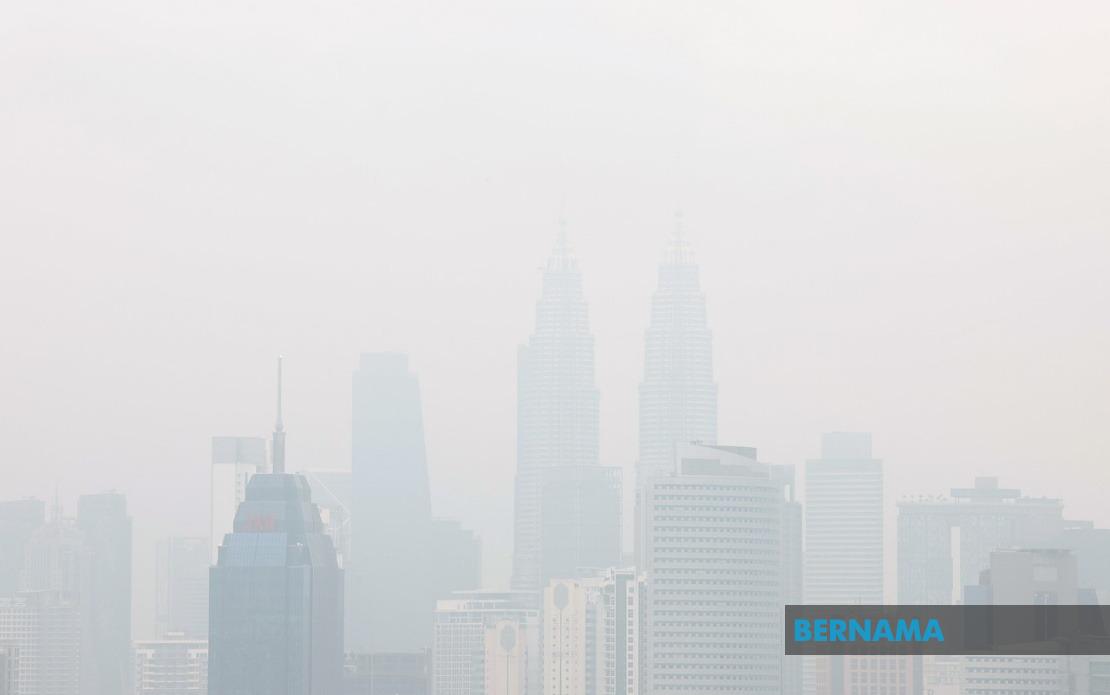
Malaysia's Youth and Sports Minister Dr Mohammed Taufiq Johari has moved to reassure stakeholders that deteriorating regional air quality will not compromise the nation's preparation timeline for the 2026 Aichi-Nagoya Asian Games, which run from September 19 to October 3 next year. Speaking in Sungai Petani during a community engagement event, Dr Taufiq emphasised that the government has developed targeted strategies to keep athletes on their training schedules while protecting their respiratory and overall health during the critical lead-up to the continental showpiece.
The haze situation featured prominently in recent Cabinet discussions, reflecting the seriousness with which federal policymakers view the annual transboundary air pollution phenomenon that typically affects Malaysia and other Southeast Asian nations. Rather than treating athlete preparation and air quality management as competing priorities, Dr Taufiq indicated that the government is pursuing a balanced approach that acknowledges both imperatives. This represents a pragmatic response from the sports ministry to a recurring environmental challenge that often tests Malaysia's ability to maintain competitive standards without jeopardising public health.
Central to the government's strategy is a systematic shift away from outdoor training venues toward climate-controlled indoor facilities. The National Sports Institute, Malaysia's premier athlete development organisation, has been consulted to calibrate these operational adjustments across different sporting disciplines. By reducing exposure to haze-affected outdoor environments while simultaneously expanding reliance on indoor stadiums, halls, and other protected training spaces, the ministry aims to preserve training quality and athlete conditioning levels. This dual-facility approach reflects modern best practices in competitive sports management, particularly in regions prone to seasonal air quality challenges.
The decision to rely more heavily on indoor training infrastructure also has broader implications for Malaysia's sports ecosystem. It underscores the importance of investing in world-class sporting facilities that remain operational regardless of external environmental conditions. For Southeast Asian nations preparing athletes for major competitions, the capacity to maintain training regimens during haze episodes has become a competitive necessity rather than a luxury. Countries with superior indoor sporting infrastructure gain a tangible advantage during preparation phases when air quality fluctuations might otherwise force training interruptions.
Dr Taufiq's assurances carry weight because Malaysia has successfully navigated similar challenges during previous Asian Games cycles. The 1998 haze crisis, while severe, did not prevent Malaysian athletes from competing effectively at subsequent regional and international events. However, the recurring nature of transboundary haze has prompted sports administrators to develop more sophisticated contingency planning. The current protocol appears designed to avoid the ad-hoc responses that characterised earlier episodes, instead embedding environmental resilience into standard training methodology.
The minister's emphasis on continuous air quality monitoring suggests that the government maintains flexibility to adjust its approach as haze conditions evolve. Malaysian meteorological agencies track regional air quality indices closely, providing real-time data that can inform day-to-day training decisions. This adaptive management framework allows coaches and sports scientists to make informed choices about when outdoor sessions can safely proceed and when indoor alternatives should be prioritised. Such granular decision-making prevents blanket training stoppages while maintaining environmental safeguards.
For Malaysian athletes, the underlying message is reassuring: the government recognises that their preparation for the 2026 Asian Games represents a significant national commitment, and disruption will be minimised through systematic planning. However, athletes must also adapt to an environment where flexibility and indoor training proficiency become increasingly important competitive assets. This expectation aligns with global sporting trends, where elite athletes across multiple disciplines routinely train using advanced indoor facilities alongside traditional outdoor venues.
The Aichi-Nagoya Asian Games represent an opportunity for Malaysia to demonstrate regional sporting prowess and competitive capacity. Disrupted preparation schedules would potentially compromise medal prospects across multiple sports. By proactively addressing the haze challenge through facility diversification and coordinated planning, the ministry seeks to eliminate this variable from the equation. The stakes extend beyond individual medals; successful Asian Games performances enhance national prestige and sporting culture engagement domestically.
Regionally, Malaysia's approach to managing athlete preparation amid environmental challenges serves as a potential model for other Southeast Asian nations facing similar haze episodes. Countries like Indonesia, Singapore, and Thailand also contend with seasonal air quality fluctuations. A demonstrated capacity to maintain athlete conditioning standards despite these environmental headwinds positions Malaysia as a professionally administered sporting nation. This competitive advantage may prove meaningful in events requiring sustained training intensity and athlete conditioning throughout the preparation phase.
The broader context includes Malaysia's investment in sports development infrastructure over recent decades. Facilities constructed through federal and state initiatives now provide the enabling environment for the kind of flexible training protocols Dr Taufiq described. Without adequate indoor facilities, the government would face impossible choices between athlete health and preparation quality. The availability of multiple venue options represents accumulated sporting infrastructure investment paying tangible dividends during challenging environmental periods.
Government coordination across agencies—from the Youth and Sports Ministry through the National Sports Institute to meteorological and health authorities—underpins the success of such integrated approaches. The fact that haze management featured in Cabinet-level discussions indicates recognition that athlete preparation encompasses considerations beyond sport administration alone. Environmental protection, public health, and national sporting ambitions converge in these policy discussions, requiring whole-of-government coordination.
Looking forward, the Asian Games preparation phase will serve as a test case for Malaysia's institutional capacity to manage complex challenges affecting elite athlete development. Success in maintaining training standards despite haze episodes will validate the current strategic approach and potentially influence how future sports management challenges are addressed. The 2026 Games represent not merely a sporting competition but a demonstration of systematic governance across multiple policy domains, all converging on the objective of fielding a well-prepared, healthy Malaysian contingent.

