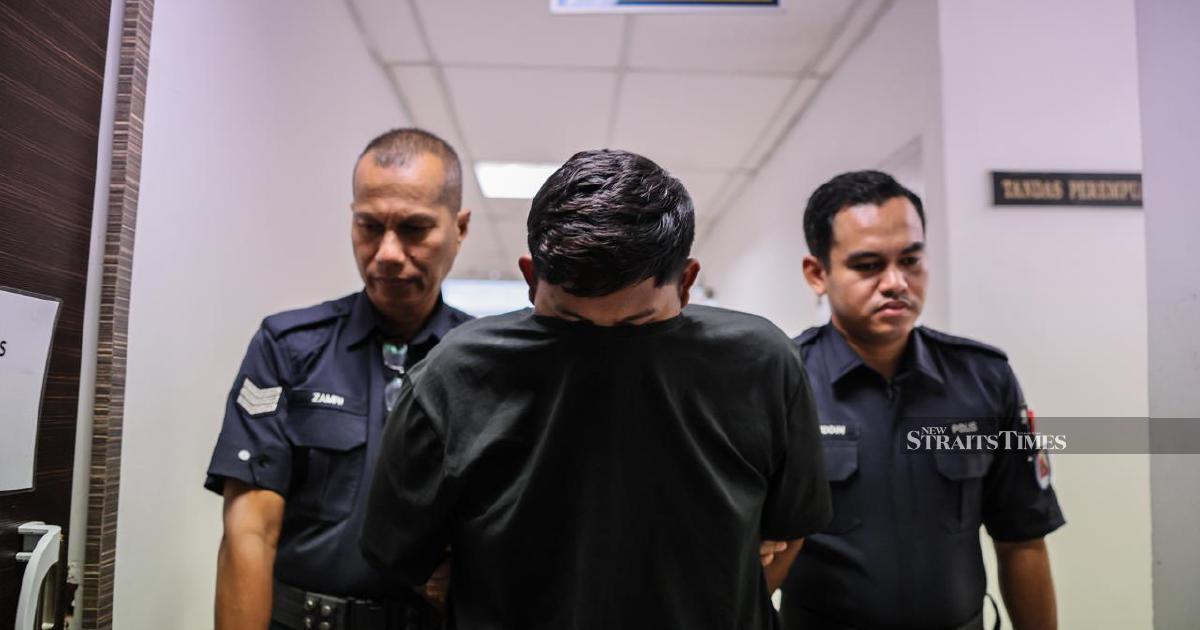
A man accused of committing serious sexual offences against his teenage sister appeared before the Sessions Court in Kuala Terengganu this week, entering a formal plea of not guilty to multiple charges. The 25-year-old hardware store worker is alleged to have both raped and sexually assaulted his 16-year-old biological sister, with the case now proceeding through Malaysia's criminal justice system amid growing public concern over family-related sexual violence.
The case highlights a troubling pattern of abuse occurring within domestic settings across Malaysia, where victims often remain silent due to familial ties and social stigma. Sexual violence perpetrated by relatives presents unique legal and emotional challenges, as prosecution requires building a case against someone living within the same household. The victim's age—still a minor—compounds the gravity of the allegations and raises questions about the family environment that may have enabled such conduct to occur.
Sessions Court is the appropriate venue for hearing such serious offences, which carry substantial prison sentences upon conviction. The formal plea entered by the defendant initiates the trial phase, where prosecutors must establish guilt beyond reasonable doubt by presenting evidence and witnesses. The accused's decision to contest the charges means the burden remains entirely on the prosecution to prove each element of the offence to the court's satisfaction.
Family sexual abuse cases create distinct challenges for Malaysian law enforcement and the judiciary. Unlike assaults by strangers, these incidents often occur without witnesses and may involve periods of non-disclosure, complicating the gathering of corroborating evidence. The fact that the victim and accused share a biological relationship adds psychological dimensions to the investigation, as victims may experience conflicting emotions about family loyalty versus justice seeking.
Teenagers in Malaysia remain legally protected under the Sexual Offences Against Children Act and other statutes, with the law recognising their reduced capacity to provide meaningful consent to sexual activity. At 16 years old, the alleged victim falls squarely within protective provisions designed to safeguard minors from exploitation by adults, particularly those in positions of trust such as family members. The age disparity between a 16-year-old and a 25-year-old adult further emphasises the vulnerability dynamic at play.
The defendant's employment in the hardware retail sector is incidental to the case but reflects how sexual predators exist across all socioeconomic strata and professions. There is no occupational profile common to perpetrators of family sexual violence; such abuse transcends educational achievement, income level, and employment status. This reality underscores that protection of children requires vigilance in all community spaces and family structures, not merely those marked by obvious poverty or social disadvantage.
Kuala Terengganu, the capital of Terengganu state, has witnessed increasing legal proceedings involving sexual offences in recent years, reflecting both rising reporting rates and the state's developing court infrastructure. The case's progression through the Sessions Court indicates the Terengganu judicial system is functioning to hear serious charges, though questions persist about resources available for victim support services throughout the trial process.
The Malaysian legal system requires strict evidence standards in sexual assault cases, particularly when they hinge on testimony. The court will need to evaluate the credibility of the alleged victim against the defendant's account, assess any medical or forensic evidence presented, and consider the broader factual circumstances surrounding the allegations. Defence arguments may focus on challenging the evidence's reliability or suggesting alternative explanations, though the not guilty plea itself suggests the defence intends to contest the fundamental allegations.
For victims of family sexual violence, pursuing a case through the courts demands extraordinary courage, as courtroom testimony may require recounting trauma before strangers in a public forum. Support services, including counselling and witness protection measures, theoretically exist within the Malaysian system, though access and quality vary significantly across states. Terengganu, like other regions, should ensure adequate victim support infrastructure accompanies the judicial process to prevent secondary victimisation.
The broader implications for Malaysian society include renewed discussion about protecting children from abuse occurring within homes, where they should theoretically enjoy maximum safety. Family sexual violence prevention requires community awareness programmes, mandatory reporting mechanisms in schools and healthcare facilities, and accessible reporting channels for children who fear their relatives. The case serves as a reminder that legislative protections remain meaningless without corresponding investment in detection and prevention.
Sentencing disparities in sexual assault cases remain a concern within Malaysian jurisprudence, with judges exercising considerable discretion in determining prison terms within statutory ranges. Depending on evidence presentation and aggravating or mitigating factors, this case could result in substantially different outcomes. The public nature of the trial process allows oversight of judicial reasoning, contributing to transparency in how Malaysia's courts address family-based sexual violence.
As proceedings continue, the case will test the district's judicial capacity to handle sensitive evidence and protect the dignity of a minor victim throughout protracted legal processes. The ultimate verdict will carry significance beyond the immediate parties involved, potentially influencing how similar cases are prosecuted and deterring potential offenders contemplating abuse within family settings.

