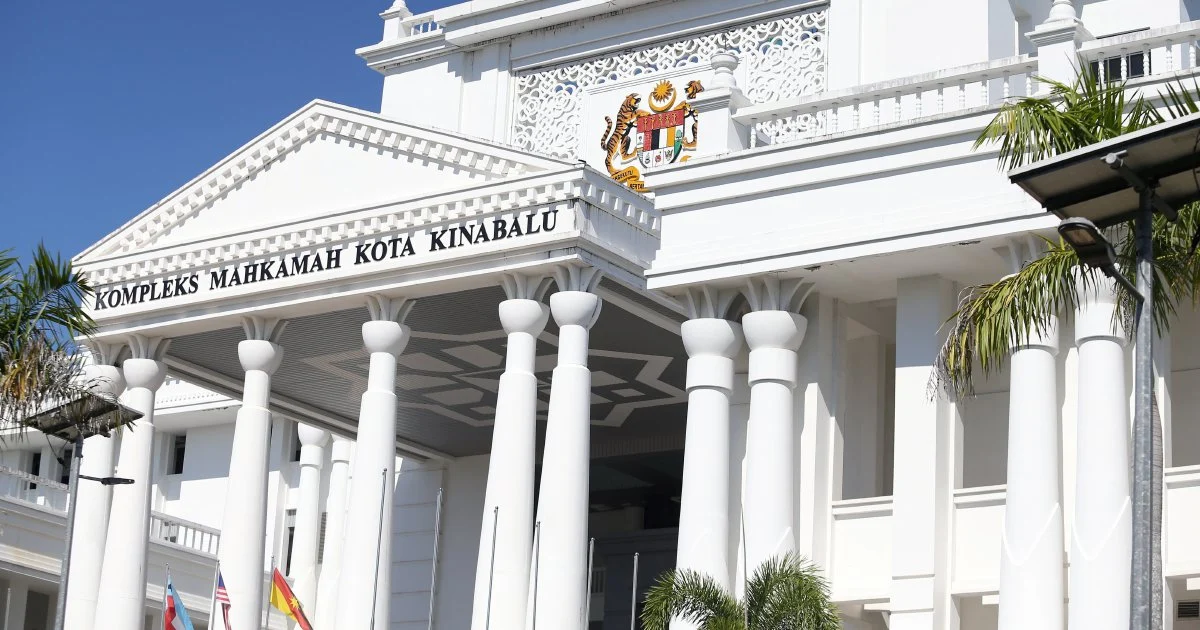
A forensic handwriting expert has reaffirmed her analysis that certain passages in the journals of the late Zara Qairina Mahathir were not authored in her own hand, according to testimony delivered at the Coroner's Court in Kota Kinabalu.
The expert's continued confidence in her original assessment underscores a significant evidentiary issue emerging from the examination of the personal documents linked to the 23-year-old, whose death in June 2023 triggered an inquest that has since captured sustained media attention across Malaysia and internationally.
Documentary evidence in high-profile cases involving prominent public figures often becomes the subject of intense scrutiny, particularly when the circumstances surrounding a death remain contested or unclear. In this instance, the examination of Zara's journals has become central to establishing facts about her state of mind and daily activities in the period preceding her passing. The presence of handwriting inconsistent with her own signature raises questions about who may have accessed or contributed to these personal records.
Handwriting analysis, when conducted by qualified forensic experts, represents one of the more established forms of documentary evidence in judicial proceedings. The expert's willingness to stand by her findings demonstrates confidence in her methodology and conclusions, though such evidence often remains subject to cross-examination and competing interpretations by other specialists.
For Malaysian observers following this case, the implications extend beyond the immediate inquiry into Zara's death. The proceedings highlight how forensic science, document examination, and expert testimony function within the Malaysian legal system. The Coroner's Court processes, while less formal than criminal trials, nonetheless require rigorous examination of evidence to establish facts that may inform broader investigations or subsequent proceedings.
The identification of handwriting inconsistencies may suggest that others had access to Zara's personal journals, potentially adding another layer to understanding her final weeks. This raises important questions about who had proximity to her private documents and under what circumstances various entries were made. Such details, though seemingly technical, can substantially alter the narrative surrounding the events that led to her death.
Zara Qairina's case has attracted considerable attention given her family's prominence in Malaysian public life. The thoroughness of the inquest process and the weight given to documentary evidence reflects the judiciary's responsibility to pursue clarity when a young person dies under circumstances that warrant detailed investigation. The expert testimony represents part of a broader effort to construct an accurate factual record.
The coroner's examination of documents, combined with forensic expert analysis, demonstrates how contemporary investigative techniques intersect with traditional judicial inquiry. Malaysian courts increasingly rely on such specialist evidence to resolve disputed facts, particularly in cases where direct witnesses may be unavailable or where circumstances require technical analysis to clarify contradictory accounts.
As the inquest continues, the question of document authenticity and authorship may prove decisive in establishing a complete timeline of Zara's activities and communications. The expert's reaffirmation of her findings signals that the handwriting analysis stands as a solid evidentiary foundation, though the court will ultimately weigh this alongside other materials and testimony presented throughout the proceedings.
The case serves as a broader reminder of how documentary evidence, when properly analysed by qualified professionals, provides crucial factual anchors in complex inquiries. For families seeking answers in sudden death cases and for the broader Malaysian public invested in understanding what occurred, such technical evidence remains an essential component of the truth-seeking process.
Government institutions and the judiciary continue to invest in forensic capabilities and expert training to ensure that Malaysian courts can effectively evaluate complex evidence. The Coroner's Court proceedings in Kota Kinabalu reflect this institutional commitment to rigorous factual investigation, even as the process necessarily unfolds over extended periods to allow comprehensive examination of all material elements.