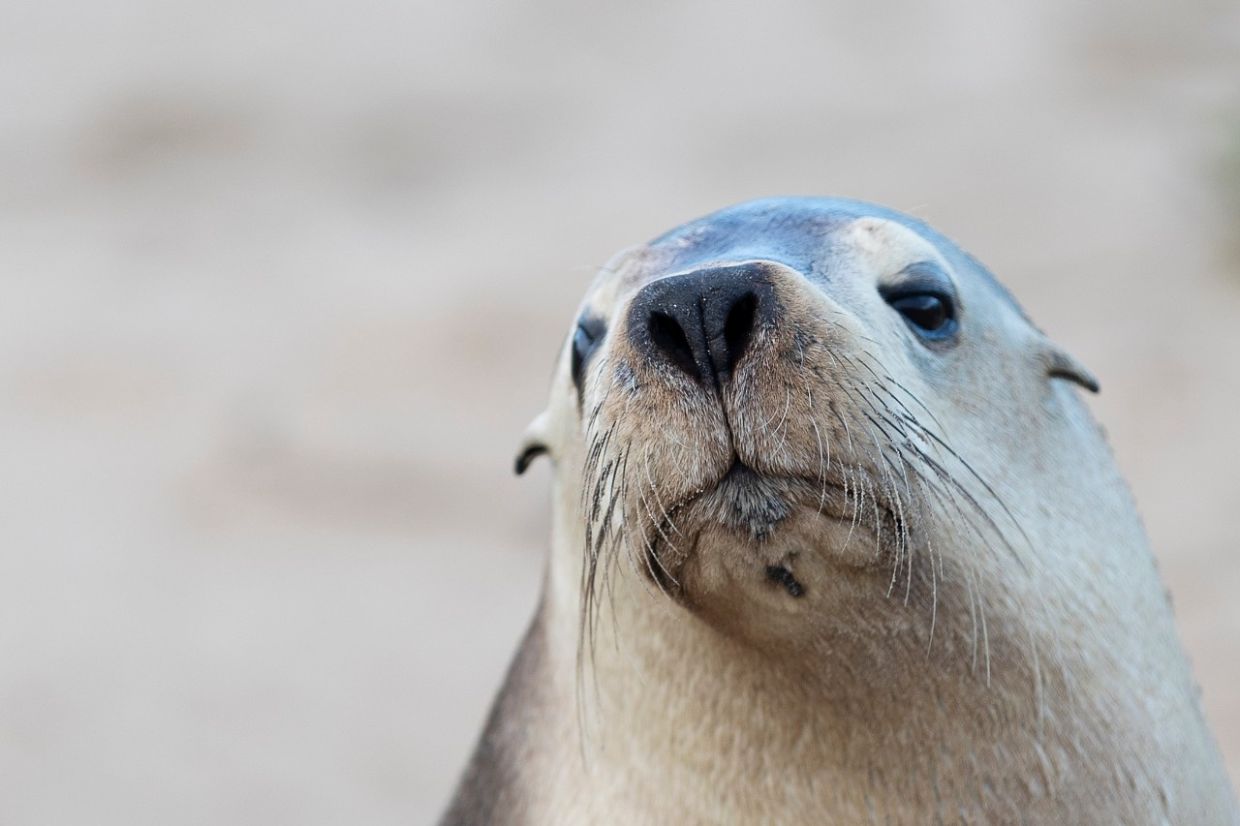
A rapidly accelerating outbreak of H5N1 avian influenza in South Australia has prompted urgent warnings from wildlife experts that the highly pathogenic strain will inevitably transmit to the nation's already vulnerable population of endangered sea lions. The concerning trajectory of infections underscores the interconnected nature of disease transmission across species and ecosystems, with cascading implications for biodiversity conservation efforts across the region.
Authorities in South Australia have documented a dramatic surge in suspected cases, bringing the total to 40 instances across the state, comprising 21 suspected and 19 confirmed infections. The spike has accelerated notably in recent days, with 33 of these cases emerging since the beginning of the week alone, signalling the infectious agent's rapid dissemination across wildlife populations. Significantly, authorities identified the highly pathogenic strain in a seagull on the state's south-eastern coast, marking Australia's first documented detection of this particular viral variant in a wild bird since the pathogen first arrived on the Australian mainland in June.
The geographic proximity of confirmed cases to critical habitats has intensified concerns among marine biologists and conservation specialists. Four infected birds have been identified on Kangaroo Island, located off the state's southern coast, with particular alarm centred on discoveries at Seal Bay. This location represents one of the world's most important remaining strongholds for the Australian sea lion, an endangered species whose global population remains perilously small. The bay supports approximately five per cent of all remaining Australian sea lions worldwide, making it strategically crucial for the species' long-term survival.
Wayne Boardman, a wildlife veterinarian from the University of Adelaide, articulated the severity of the impending threat during recent media interviews. Drawing on historical precedent from South America, Boardman emphasized that marine mammals including sea lions and fur seals demonstrate exceptional vulnerability to H5N1 infection. He warned that once the virus becomes established in the bird populations at Seal Bay, transmission to the resident sea lion colony appears virtually inevitable given the predator-prey dynamics and shared marine environment.
The precedents cited by expert observers paint an alarming picture of potential consequences. In 2022, an H5N1 outbreak in South American waters resulted in the deaths of approximately 30,000 sea lions within a six-month period, demonstrating the devastating mortality rates that marine mammals experience when exposed to this viral strain. More recently, between August 2025 and January 2026, approximately 13,359 southern elephant seal pups perished on Heard Island in Australia's Southern Ocean, again implicating H5N1 as the causal agent. These precedents establish a troubling pattern of severe mortality in marine mammal populations once exposure occurs.
Recognizing the escalating hazard, South Australian authorities have implemented immediate protective measures designed to minimise human disturbance and potential disease transmission vectors. The government suspended recreational beach tours at Seal Bay on Wednesday, preventing the large numbers of visitors that normally frequent the site during peak seasons. This decision reflects the precautionary principle in wildlife management, attempting to reduce unnecessary stress on sea lion populations and limiting potential mechanisms through which the pathogen might be inadvertently introduced or circulated among the animals.
Julie Collins, South Australia's Minister for Agriculture, Fisheries and Forestry, indicated that government agencies are coordinating closely with scientific advisors to develop containment strategies for the outbreak. Collins emphasised that surveillance efforts have not yet detected the virus within commercial agricultural or poultry production systems, suggesting the current outbreak remains confined primarily to wild bird populations. This distinction is crucial, as it indicates the outbreak does not yet pose direct threats to food security or agricultural productivity, though the situation remains fluid and subject to rapid change.
The human health risk component of the situation also warrants consideration, particularly given the pandemic vulnerability demonstrated during previous coronavirus outbreaks across the Asia-Pacific region. Collins reiterated that available epidemiological evidence indicates minimal threat to public health at the current stage, though this assessment remains contingent on continued surveillance and monitoring. Health authorities maintain their vigilance against any indication of human-to-human transmission or spillover events that could escalate the outbreak's scope.
The H5N1 situation in South Australia reflects broader patterns of zoonotic disease emergence that Southeast Asian nations, including Malaysia, face with increasing frequency. Environmental degradation, habitat fragmentation, and intensified human-wildlife contact create conditions favourable for pathogenic spillover from animal reservoirs into susceptible populations. The Australian case demonstrates how quickly such outbreaks can spread through interconnected ecosystems and how vulnerable endangered species become when infectious diseases enter already fragmented populations.
For regional wildlife managers and conservation authorities across Southeast Asia, the South Australian outbreak offers instructive lessons regarding preparedness and response protocols. Many endangered marine and terrestrial species in the region face similar vulnerabilities, occupying restricted habitats where environmental stressors have already depleted population resilience. The rapid mobilisation of Australian authorities to implement containment measures, though potentially arriving too late to prevent marine mammal exposure, illustrates the necessity for advance planning and swift decisive action when novel infectious threats emerge.
Longer-term implications for global biodiversity conservation are substantial. The intersection of avian influenza, climate change, and habitat loss creates compounding pressures that threaten multiple endangered species simultaneously. For the Australian sea lion, an organism already numbered in mere thousands globally, even modest mortality events from H5N1 exposure could prove catastrophic for population recovery efforts undertaken over decades. Conservation agencies across Australia and the broader Indo-Pacific region will be watching the unfolding situation at Seal Bay with considerable concern, recognising that outcomes there may provide crucial data for predicting responses of other marine mammal populations to H5N1 exposure.

