Guinea-Bissau's health system has moved into high alert following confirmation of the West African nation's first mpox case. Public Health Minister Quinhin Nantote announced the discovery on Saturday evening, identifying the patient as a 27-year-old woman who initially presented for medical care on June 24. The confirmation marks a significant development for the small Portuguese-speaking nation and underscores the continued global circulation of the virus more than a year after the World Health Organisation declared mpox a public health emergency of international concern.
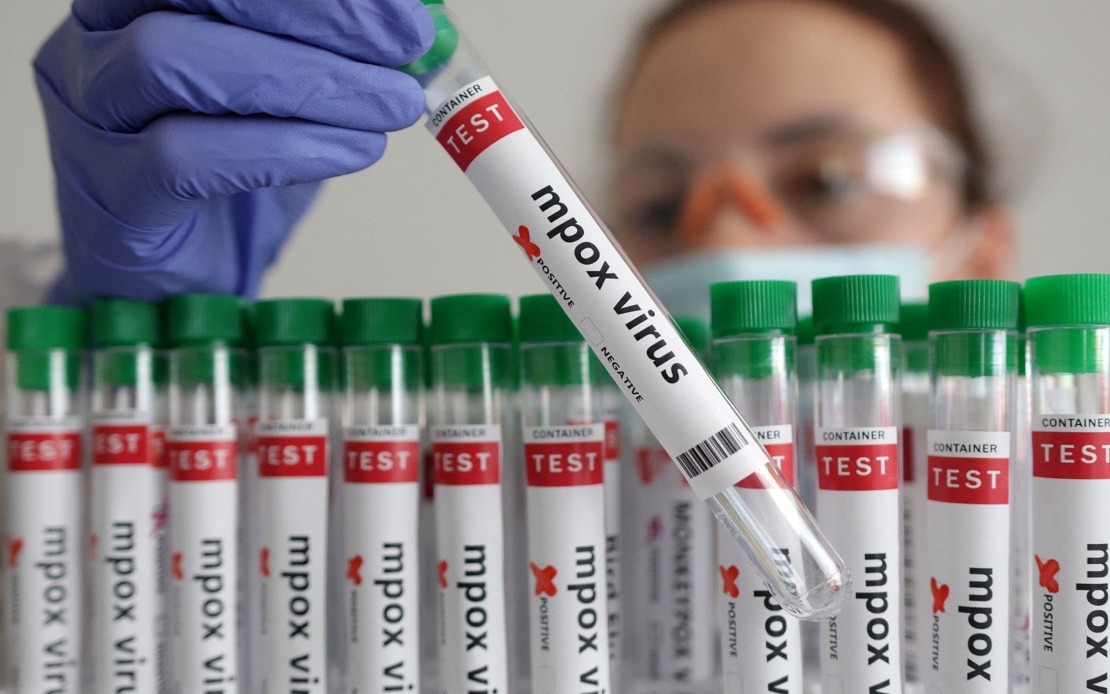
The diagnostic pathway demonstrates how regional health infrastructure operates under international protocols. Initial samples collected from the patient's characteristic skin lesions underwent testing at Guinea-Bissau's National Institute of Public Health, which identified the mpox virus. Confirming the preliminary results, additional samples were forwarded to the Institut Pasteur in neighbouring Senegal, a regional reference laboratory with established expertise in viral pathogen identification. This two-stage verification process, while adding temporal distance to case confirmation, ensures diagnostic accuracy and maintains alignment with global health surveillance standards.
Following formal confirmation, Guinea-Bissau's health authorities swiftly activated the national disease response framework established under International Health Regulations and World Health Organisation guidelines. These coordinated mechanisms represent years of institutional development aimed at enabling rapid mobilisation during public health emergencies. Epidemiological investigations have commenced to trace individuals who came into contact with the confirmed case, a critical step in understanding transmission chains and preventing further spread within the community. The systematic identification and monitoring of contacts remains among the most effective interventions for containing outbreaks of diseases transmitted through close physical contact.
Surveillance infrastructure across Guinea-Bissau has been strengthened, with particular emphasis on border monitoring points. This geographical focus reflects epidemiological reality: Guinea-Bissau shares borders with Guinea and Senegal, and cross-border movement of populations creates potential pathways for disease introduction and transmission. Enhanced vigilance at entry points aims to detect additional cases early and gather epidemiological intelligence about regional transmission patterns. Such border surveillance, when coordinated with neighbouring countries, can provide valuable early warning systems for outbreaks spreading across West Africa.
Public Health Minister Nantote has emphasised the importance of community participation in disease prevention, urging citizens to adopt basic protective measures. These recommendations include frequent handwashing, a simple yet scientifically proven intervention that interrupts transmission of numerous infectious agents. The minister also advised avoiding close contact with symptomatic individuals, particularly those displaying fever or characteristic skin rashes associated with mpox. Public communication of these messages reflects recognition that outbreak control depends not merely on clinical and laboratory capacity but on sustained engagement with populations whose behaviour ultimately determines transmission dynamics.
Mpox represents a distinct viral threat characterised by specific transmission routes and clinical manifestations. The disease spreads primarily through direct contact with body fluids and the distinctive skin lesions that give the infection its recognisable appearance. Respiratory droplets present another transmission route, though this typically occurs during close, prolonged contact rather than through casual interaction. Contaminated materials, including fabrics or surfaces bearing viral particles from infected individuals, can also facilitate transmission. Understanding these mechanisms helps explain why isolation of confirmed cases and enhanced hygiene practices form cornerstones of outbreak response strategies.
The clinical presentation of mpox typically progresses through characteristic stages. Affected individuals commonly experience constitutional symptoms including fever and muscle aches, which often precede development of the distinctive rash. Lymph node swelling, or lymphadenopathy, frequently accompanies systemic symptoms. The skin lesions evolve through recognisable stages from macules to vesicles to pustules, eventually forming crusts before resolving. This predictable clinical trajectory helps healthcare workers identify suspected cases, though laboratory confirmation remains essential given that other conditions can produce similar rashes.
For Malaysia and Southeast Asia, Guinea-Bissau's case carries implications for regional disease surveillance and international health cooperation. Though geographically distant, the continued emergence of mpox cases in different regions reinforces the virus's global circulation patterns and persistent public health significance. The region's integrated disease surveillance networks, such as those coordinated through the Association of Southeast Asian Nations, benefit from notifications of distant outbreaks as opportunities to review local preparedness and maintain vigilance among healthcare workers who might encounter atypical presentations.
Guinea-Bissau's rapid case confirmation and response activation demonstrate that health systems throughout the developing world have substantially improved their emergency response capabilities since the international mpox outbreak began. The capacity to sequence specimens, coordinate with regional reference laboratories, and activate epidemiological investigations represents institutional advancement that extends beyond this single case. Nevertheless, the detection of mpox in Guinea-Bissau highlights that without sustained surveillance investment and global coordination, the virus will continue finding susceptible populations in under-resourced settings where transmission chains may persist undetected longer than in better-monitored regions.

