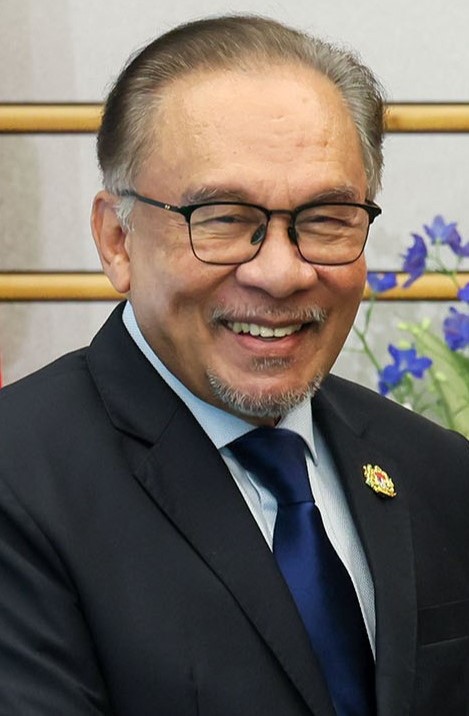
A pivotal moment approaches for DAP political heavyweight Lim Guan Eng and two co-accused as a court prepares to deliver its judgment on allegations of graft involving a substantial foreign workers' hostel development. The former Chief Minister of Penang, his spouse Betty Chew, and businesswoman Phang Li Koon will receive the court's determination tomorrow in Putrajaya regarding whether they will face trial or be discharged of charges connected to the RM11.6 million project.
The case has drawn considerable attention within Malaysian political circles, given Guan Eng's prominence within the DAP hierarchy and his previous position steering Penang's state administration. The charges centred on a residential facility intended for overseas contract labourers have become emblematic of broader accountability concerns that resonate beyond party political boundaries. The outcome carries implications not merely for the individuals involved but for public perceptions of governance standards and the impartiality of the judicial process.
The foreign workers' hostel project at the heart of the allegations represents a significant financial transaction, and the investigation appears to have examined whether proper procurement procedures were followed and whether financial improprieties occurred during the execution of the scheme. Such cases involving public resources allocated to housing infrastructure demand scrutiny to maintain institutional credibility and public trust in how state development funds are administered.
For the Malaysian political landscape, this judgment will test public confidence in the independence of judicial institutions when high-profile figures from both established and emerging political coalitions face corruption allegations. The DAP, as a component party in the current Pakatan Harapan coalition, has positioned itself as an anti-corruption advocate, making this case particularly sensitive within party rhetoric and public expectation. The court's decision will either validate claims of integrity or lend credence to perceptions of selective prosecution.
The three accused have maintained their innocence throughout the investigation and preliminary proceedings. The defense teams have likely prepared comprehensive arguments challenging the substance of allegations and procedural aspects of the investigation. Tomorrow's judgment will evaluate whether the evidence presented by prosecution authorities meets the threshold necessary to proceed to full trial or whether the court determines insufficient grounds exist to warrant prolonged judicial proceedings.
Regional observers and Southeast Asian legal analysts often examine high-profile Malaysian corruption cases as indicators of judicial independence and the robustness of anti-corruption frameworks. A prosecution of prominent political figures demonstrates commitment to accountability, yet the judicial outcome's acceptance by all parties depends on the transparency and perceived fairness of the process. The decision will inevitably generate commentary on Malaysia's trajectory in anti-corruption efforts compared to neighbouring jurisdictions.
The RM11.6 million figure involved in the hostel project underscores the scale of potential mismanagement at issue. Such substantial sums, when devoted to infrastructure intended to accommodate vulnerable migrant worker populations, carry ethical dimensions beyond mere financial consideration. Any breach in proper governance would represent a double failure: diverting resources from their intended purpose while potentially compromising the welfare of foreign nationals working within Malaysia's labour-intensive sectors.
For Guan Eng specifically, the case intersects with his political identity and legacy. His tenure as Penang's chief minister was marked by initiatives emphasizing transparency and efficiency, making corruption allegations particularly damaging to his personal political brand. A not guilty verdict would rehabilitate his standing, whilst an order to stand trial would commence a prolonged legal battle affecting his continued participation in DAP decision-making and parliamentary activities.
The case also reflects Malaysia's evolving relationship with corruption prosecutions. Since the administration change in 2018, several high-profile individuals have faced charges, creating a complex narrative about whether the justice system operates independently or responds to political pressures. Court decisions in such circumstances carry disproportionate weight in shaping public discourse about institutional integrity and rule of law.
Betty Chew's involvement as a co-accused, whilst less prominent in media coverage than her husband's, raises questions about the scope of investigation and whether family members' liability was properly established through evidence rather than association. Phang Li Koon's status as a businesswoman with presumed connections to the hostel project completes the accused trio, suggesting the investigation examined both political and commercial angles of the arrangement.
The judgment tomorrow will conclude the preliminary phase and determine whether the case advances to substantive trial proceedings before higher courts. A discharge would terminate the matter entirely, whilst an order to stand trial would commit the accused to extended legal processes that could consume months or years. Either outcome will require careful management by all parties involved to preserve institutional confidence whilst respecting whatever determination the court renders.
Putting aside the immediate implications for the accused, this case serves as a reminder that Malaysian governance systems continue grappling with mechanisms to ensure public resources serve intended purposes and that accountability applies uniformly regardless of political station. Tomorrow's ruling will inform stakeholders about whether those principles are gaining traction or remaining aspirational within the current institutional environment.