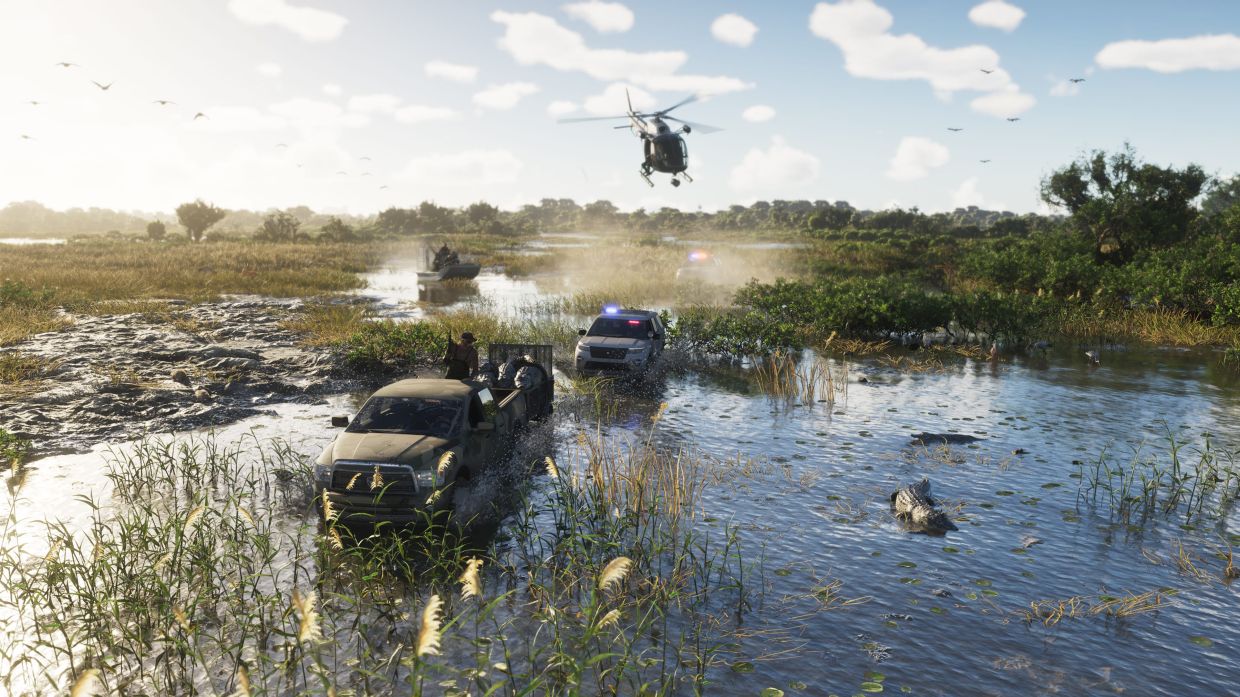
The long-awaited Grand Theft Auto VI finally received its official public unveiling through Netflix on August 27, a strategic move that appeared designed to reclaim narrative control after weeks of unauthorized footage had circulated online. The preview showcased the game's protagonist Jason orchestrating an escape from a failed drug operation with a crimson duffel bag slung across his body, accompanied by his accomplice Lucia. Their partnership forms the narrative backbone of the title, with developers positioning the duo as a contemporary reimagining of Bonnie and Clyde, the infamous American outlaws from the early 20th century whose crime spree and eventual violent death at police hands have long captured popular imagination.
The official footage revealed gameplay mechanics and narrative sequences that had partially emerged through earlier leaks. Players will navigate car chases through urban environments, infiltrate nightclubs, orchestrate rooftop meetings with criminal associates, and engage in armed confrontations across various settings. Interactive dialogue systems allow players to determine character relationships, including the ability to make Jason and Lucia hold hands—a detail that underscores the emotional dimension developers are building into the crime narrative. The cinematic presentation and environmental detail visible in the preview suggest a significant technical evolution from previous entries in the franchise, with Rockstar seemingly committed to raising the graphical and narrative standards of the open-world action genre.
Rockstar's decision to release the preview on Netflix represented a calculated response to a leak crisis that had unfolded over more than a week. Beginning on August 18, footage began appearing on social media platforms and gaming forums, initially sourced through channels that remain partially mysterious. The publisher responded with evident frustration, issuing a statement characterizing the unauthorized release as "heartbreaking" and lamenting that the leaks were "obviously not how we intended for you to see the game after all this time." This phrasing suggested the company had meticulously planned a controlled rollout designed to maximize impact and maintain marketing momentum for what industry analysts expect to be among the highest-grossing entertainment releases of the year.
The leak source has been attributed to an online account operating under the pseudonym Cyberleek, with claims that the individual or group responsible is motivated by a desire to expose questionable practices within the video game industry. This framing as activism rather than simple theft or vandalism introduces a layer of complexity to the narrative, particularly as tensions between major publishers and activist hackers have intensified in recent years. Similar patterns have emerged in other industries, where individuals justify unauthorized disclosure of confidential information as serving a broader public interest, though Rockstar and parent company Take-Two International have naturally rejected such justifications.
In response to the leaks, Rockstar moved aggressively through the American legal system to identify those responsible. On August 21, the company obtained subpoena orders from two federal judges in New York, requiring both Microsoft and Discord to surrender user data and communications logs relevant to the investigation. These court orders, filed the previous day, represented an escalation in enforcement tactics and reflected the enormous financial stakes involved in securing a major game launch. The subpoenas targeted platforms commonly used by gaming communities and hackers alike, suggesting Rockstar's investigative team had identified potential distribution channels or suspect communication patterns requiring formal legal intervention to pursue further.
The Netflix broadcast encountered technical difficulties almost immediately upon release, with multiple users worldwide reporting service outages at midday on August 27. While the platform did not publicly attribute the disruptions to the Grand Theft Auto VI preview specifically, the timing suggested the simultaneous demand from millions of gaming enthusiasts attempting to view the footage may have contributed to infrastructure strain. The company planned to release the preview simultaneously on YouTube later the same day, further expanding the audience reach and ensuring multiple pathways for fans to access the official material.
This unveiling through streaming platforms marks a continuation of partnership between Netflix and Rockstar Games, with the entertainment giant having previously collaborated with the publisher on promotional content for earlier Grand Theft Auto iterations. The relationship underscores how traditional film and television platforms have increasingly pivoted toward video game content as streaming services compete for subscriber engagement. For Netflix, securing exclusive premiere access to one of the gaming industry's most anticipated releases represented a significant competitive advantage in the broader entertainment marketplace, particularly among younger audiences who represent core viewership for both gaming and streaming services.
Rockstar's parent company, Take-Two International, has faced considerable criticism from the gaming community regarding its monetization and distribution decisions surrounding the Grand Theft Auto VI launch. The decision to eliminate physical copies entirely, offering only digital distribution, proved particularly contentious among players who prefer owning tangible media or worry about long-term access to digitally-purchased content. Additionally, the company's tiered pricing structure, offering enhanced content at premium price points, generated further controversy regarding accessibility and fairness in how players could engage with the full game experience.
The phenomenon of institutional interest in Grand Theft Auto VI extended beyond gaming communities in unexpected directions. Last week, the United States Army issued a memorandum to personnel at one installation offering four days of leave in exchange for soldiers committing to additional years of military service, effectively using the game's anticipated release as an incentive for reenlistment. According to military news publication Task & Purpose, approximately twenty of the one hundred thirty eligible soldiers expressed interest in accepting this unusual offer, each requiring a minimum two-year service extension. This episode illustrates the cultural penetration of the Grand Theft Auto franchise and its recognized appeal to the young demographic that comprises significant portions of military recruitment targets.

