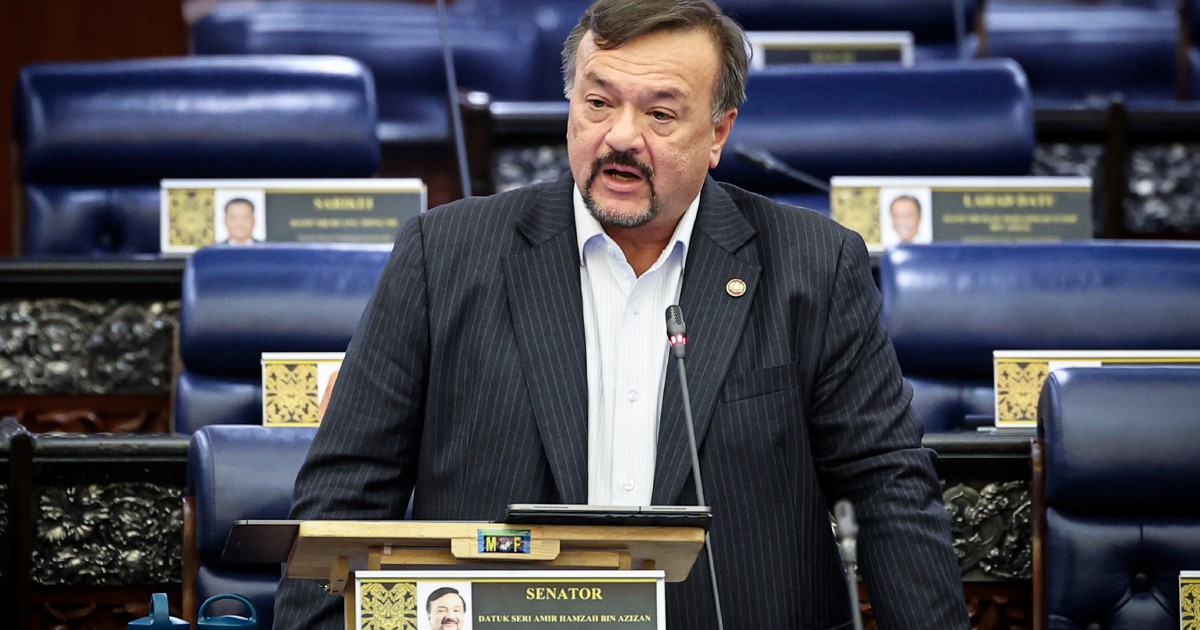
The government is exploring the establishment of a coordinated multi-agency task force to investigate allegations of misconduct at Tabung Haji, one of Malaysia's most prominent Islamic financial institutions, according to Finance Minister II Datuk Seri Amir Hamzah Azizan. The proposed initiative signals mounting pressure on authorities to address mounting concerns over governance and financial management at the pilgrimage fund operator, which manages the savings of over three million Malaysian Muslims earmarked for the Hajj journey to Mecca.
The formation of such a task force would represent a significant escalation in official scrutiny of Tabung Haji, bringing together investigative resources from multiple government agencies under a single coordinated framework. This approach would enable more efficient information sharing, prevent duplication of efforts, and establish clearer lines of accountability compared to disparate investigations conducted separately across different authorities. The very contemplation of such a measure underscores the gravity with which policymakers now view the concerns that have surfaced regarding the institution's operations.
Tabung Haji has faced persistent questions regarding its financial stewardship and administrative practices in recent years. The fund, which functions as both a savings mechanism and investment vehicle for Malaysian Muslims preparing for their pilgrimage, holds assets exceeding RM90 billion, making it one of the nation's largest financial repositories and placing it under intense public scrutiny. Allegations have centred on issues ranging from investment decisions to operational transparency, prompting calls from various quarters for comprehensive investigation and potential institutional reform.
The consideration of a unified task force reflects broader regulatory challenges facing Malaysia's Islamic financial sector, where the intersection of religious obligation, public trust, and commercial operations demands heightened governance standards. International standards for Islamic finance increasingly emphasise transparent operations and accountability mechanisms, and Malaysia's approach to institutions like Tabung Haji carries implications for the nation's standing within the global Islamic finance ecosystem. The government's willingness to contemplate enhanced oversight mechanisms suggests recognition that maintaining public confidence in these institutions is essential to their continued viability.
For Malaysian Muslims who depend on Tabung Haji to facilitate one of Islam's five pillars, the concerns carry profound personal and spiritual dimensions beyond mere financial considerations. Pilgrims entrust the institution with their savings over years or even decades, expecting not merely the return of their funds but adherence to Islamic principles in how those funds are managed and invested. Any breach of this trust strikes at the very foundation of the institution's legitimacy and purpose, making thorough investigation and transparent remediation essential to restoring confidence.
The multi-agency approach would likely involve collaboration between the Malaysian Anti-Corruption Commission, the Ministry of Finance, Bank Negara Malaysia, the Securities Commission, and potentially other regulatory bodies depending on the specific nature of allegations being investigated. Such coordination becomes crucial in cases where potential misconduct spans multiple regulatory domains or involves complex financial transactions that individual agencies might struggle to fully comprehend in isolation. The pooling of expertise across institutions with different investigative mandates and technical capabilities enhances the likelihood of uncovering the full scope of any irregularities.
Precedent for such coordinated task forces exists within Malaysian governance, though establishing one specifically for Tabung Haji would mark a notable decision to prioritise this institution's investigation. The effectiveness of any such body would depend heavily on its independence from political interference, the clarity of its mandate, and the resources allocated to its work. Public communications about the task force's structure and progress would also be vital to maintaining transparency and demonstrating that authorities take concerns seriously.
The timing of this consideration comes as Malaysian institutions across sectors face intensified demands for governance improvements. The post-pandemic environment has sharpened scrutiny of how major institutions manage public resources, and there is little tolerance for opacity or suggestions of mismanagement in institutions holding citizens' savings. For Tabung Haji specifically, the stakes extend beyond typical institutional governance—the fund's special status as a religiously significant savings mechanism means that governance lapses carry implications for public confidence in Islamic institutions more broadly throughout Southeast Asia.
If established, the task force would need to balance its investigative thoroughness with the imperative to restore operational stability at Tabung Haji. The institution cannot suspend operations while investigations proceed, yet it must undergo meaningful scrutiny. This tension between investigation and continuity will test the competence and discretion of whoever oversees the task force. Clear communication with pilgrims about investigation progress would be necessary to prevent erosion of confidence during the inquiry period.
The proposed task force also signals potential legislative or administrative reforms may follow any investigative findings. Government consideration of such measures typically precedes formal announcements of structural changes aimed at preventing recurrence of the issues under investigation. The scope and nature of those future reforms would likely depend on what the coordinated investigation ultimately uncovers, making the task force not merely an investigative body but potentially the precursor to more substantial institutional transformation at Tabung Haji.

