The Malaysian government is carefully weighing a proposal that would grant Members of Parliament access to closed-circuit television recordings of the Taiping Prison incident, which culminated in an inmate's death and widespread injuries among detainees during January 2025. The decision represents a potential shift toward greater parliamentary oversight of prison management, though several procedural and legal hurdles remain to be resolved before such access can be authorised.
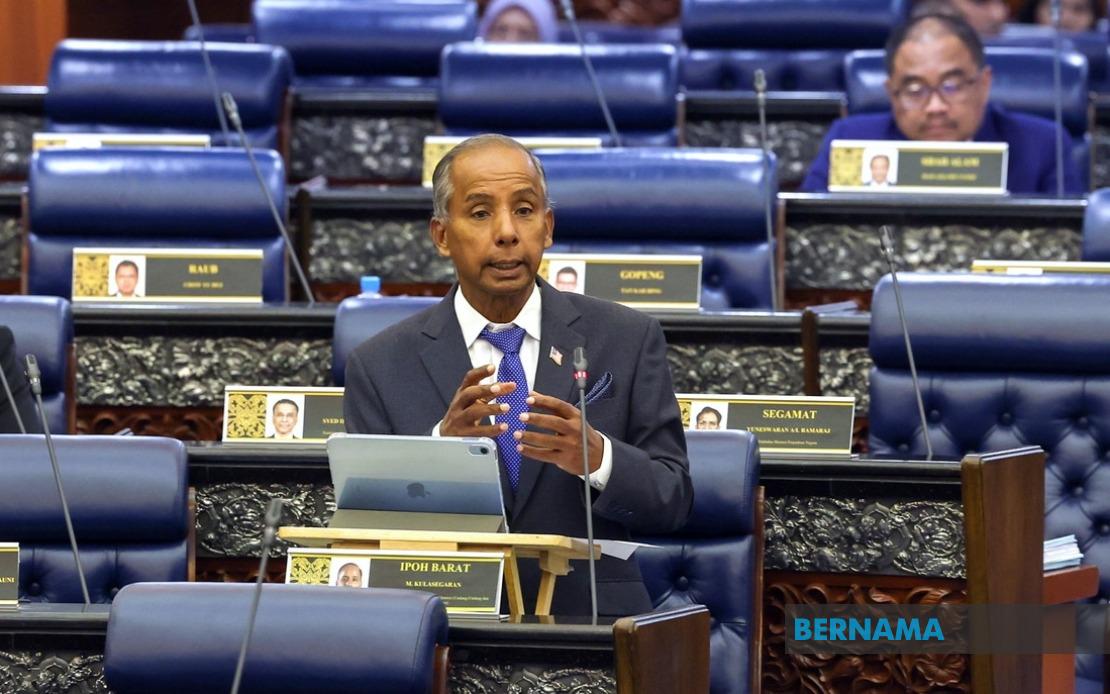
Deputy Minister M. Kulasegaran, who oversees law and institutional reform under the Prime Minister's Department, indicated his foundational support for the proposal during parliamentary proceedings. He acknowledged that providing MPs with viewing rights would substantially strengthen their constitutional capacity to exercise effective checks and balances over the executive branch, a core function of the legislative body in Malaysia's parliamentary democracy. Nonetheless, Kulasegaran tempered expectations by noting that the government must conduct additional consultations with relevant stakeholders before finalising any decision.
The legal complexities surrounding the proposal present the most significant barrier to implementation. Kulasegaran specifically highlighted concerns related to sub judice rules—restrictions that prevent public discussion of matters currently before the courts—as well as the ongoing litigation connected to the prison incident. These legal frameworks exist to protect the integrity of judicial proceedings and ensure fair trials, but they also constrain what information can be shared publicly or with MPs. The government must therefore determine whether parliamentary viewing of the footage would constitute a permissible exception to these rules or potentially compromise the administration of justice.
The Taiping Prison incident occurred on January 17, 2025, when tensions escalated within the facility following an alleged provocation. The situation deteriorated rapidly, resulting in one death and injuring approximately 100 other prisoners. The incident prompted immediate scrutiny from human rights advocates, legislators, and civil society organisations, all questioning the circumstances that led to such violence and the adequacy of prison management protocols. The push for CCTV access reflects broader parliamentary concern about conditions and safety standards within Malaysia's correctional system.
Beyond the immediate CCTV proposal, the government is simultaneously examining wider reforms to strengthen institutional accountability. Kulasegaran revealed that authorities are studying proposals to expand the powers and functions of the Human Rights Commission of Malaysia (SUHAKAM), including granting it unannounced access to detention centres—a measure that would enhance independent monitoring without requiring advance notice from prison authorities. Additionally, the government is considering establishing new SUHAKAM branch offices in Sabah and Sarawak, bringing human rights oversight infrastructure closer to populations in East Malaysia.
The Health Ministry has already implemented structural changes in response to the incident. Deputy Health Minister Datuk Hanifah Hajar Taib announced that an Institutional Health Unit was formally established on October 1, 2025, specifically tasked with monitoring and coordinating healthcare service delivery standards within prisons. The Ministry of Health is simultaneously developing comprehensive healthcare service delivery guidelines in collaboration with the Prisons Department and progressively increasing the placement of health workers across prison facilities. These measures acknowledge that inadequate medical provision within correctional institutions poses serious risks to inmate welfare.
For Malaysian and Southeast Asian observers, the government's approach reflects a delicate balancing act between transparency and legal procedure. Democracies across the region frequently grapple with similar tensions when parliamentary oversight intersects with ongoing criminal proceedings. The government's willingness to examine the proposal—rather than dismissing it outright—signals responsiveness to legislative pressure, yet the emphasis on legal refinement indicates determination to proceed cautiously. A decision prioritising parliamentary access without adequate legal safeguards could undermine judicial independence, whereas excessive restriction of transparency could feed public perceptions of institutional secrecy.
The broader context involves multiple governance domains. The Women, Family and Community Development Ministry, meanwhile, announced plans to establish an additional 40 Activity Centres for Senior Citizens (PAWEs) by 2030, with at least 10 new centres annually from 2027 onward. A complementary initiative called PAWE 3A seeks to bring senior activities to flexible locations rather than requiring seniors to access dedicated facilities, addressing accessibility challenges in regions where suitable premises are scarce. These initiatives reflect government implementation of SUHAKAM recommendations regarding equitable social service access.
Regarding healthcare access for undocumented populations, the Health Ministry reaffirmed its commitment to providing services regardless of citizenship status, though those unable to present identification documents such as MyKad, MyKid, or birth certificates remain subject to applicable charges. This approach attempts to balance humanitarian concerns with financial sustainability, though it raises ongoing questions about affordability barriers for vulnerable groups. The policy carries particular significance for Malaysia given substantial undocumented populations within the country.
The parliamentary debate and subsequent approval of the motion surrounding the SUHAKAM annual report indicates broad-based support for enhanced human rights mechanisms, though the devil remains in implementation details. Government agencies must now navigate the competing imperatives of transparency, legal propriety, and institutional reform. The Taiping incident served as a catalyst for systemic review, but translating parliamentary scrutiny into concrete protective mechanisms requires sustained coordination across multiple departments and careful navigation of constitutional constraints.
The months ahead will prove critical in determining whether MPs ultimately gain access to the prison footage. Government officials indicated they aim to reach a decision promptly, though no specific timeline was provided. The outcome will signal the government's actual commitment to institutional transparency and parliamentary accountability in matters of detention and corrections—issues that remain contentious across Southeast Asia and reflect fundamental questions about state power and individual rights within custodial settings.

