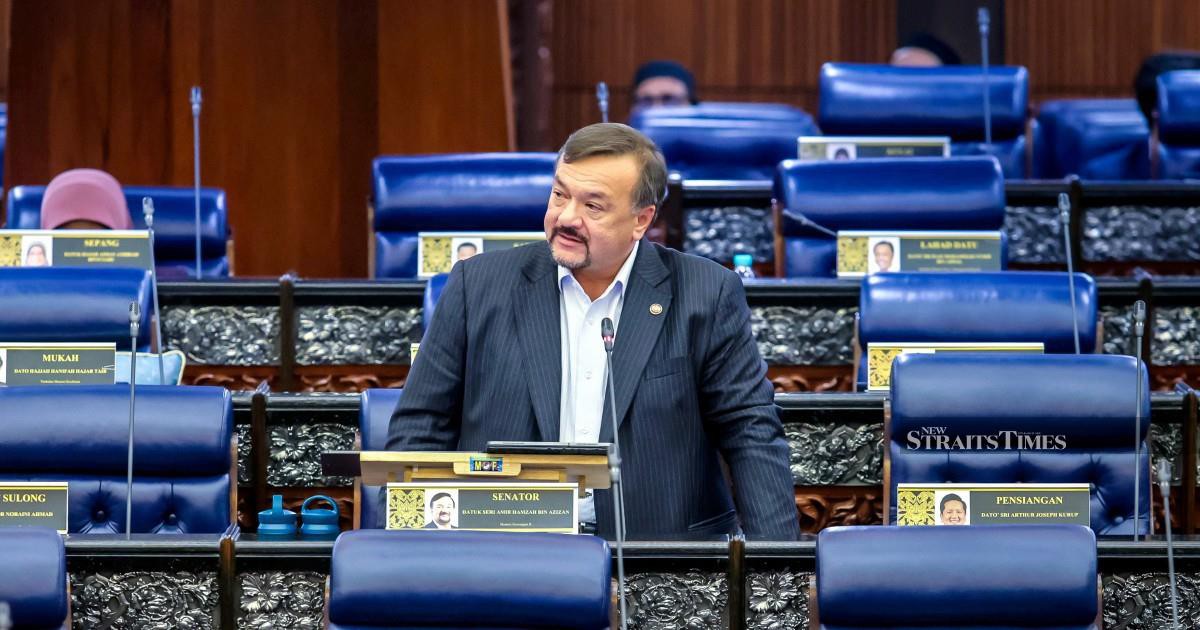
The Malaysian government has made clear that it will extend no special protection to officials or parties found responsible for lapses in Tabung Haji's investment decisions and financial stewardship, as ongoing probes into the pilgrim-focused institution intensify. This unequivocal stance underscores the administration's determination to pursue accountability irrespective of seniority or political connections, addressing long-standing concerns about governance standards at one of Malaysia's most significant financial institutions.
Tabung Haji, which manages savings and investments for millions of Malaysian Muslims preparing for the Hajj pilgrimage, has faced mounting scrutiny following revelations of substantial losses and questionable asset allocations over several years. The institution's struggles have affected not only its operational credibility but also eroded public confidence in how it manages funds entrusted by ordinary Malaysians. The government's latest pronouncement reflects recognition that restoring institutional integrity requires unsparing examination of past decision-making at all levels.
The scope of investigations encompasses multiple dimensions of institutional failure. Examiners are focusing on investment strategies that produced disappointing returns, the allocation of resources across domestic and international markets, and the decision-making processes that guided major financial commitments. These inquiries represent a comprehensive attempt to identify systemic weaknesses and the individuals whose choices contributed to the organisation's difficulties, rather than treating problems as isolated incidents attributable to minor oversights.
For Malaysian observers, particularly the millions of individual account holders relying on Tabung Haji for their pilgrimage savings, this commitment to accountability carries substantial weight. Many ordinary Malaysians have entrusted significant personal resources to the institution, and the realisation that mismanagement may have compromised these funds has generated legitimate frustration. A genuine investigation and appropriate consequences represent essential steps toward rebuilding institutional trustworthiness.
The government's position also carries implications for Malaysia's broader regulatory landscape. At a time when public institutions face recurring questions about transparency and governance, the stance on Tabung Haji signals a willingness to subject major organisations to rigorous scrutiny. This approach potentially establishes precedent for how other state-linked entities might be examined, though implementation consistency will ultimately determine whether such undertakings translate into meaningful institutional reform.
International observers monitoring Malaysia's governance trajectory will view these investigations as a test of the nation's commitment to institutional accountability. Emerging markets face persistent challenges in maintaining public confidence in state institutions, and Malaysia's handling of the Tabung Haji situation will provide evidence of whether commitments to transparent governance represent genuine policy shifts or rhetorical positioning. The stakes extend beyond this single organisation to encompass broader perceptions of Malaysia's institutional maturity.
The comprehensive nature of the inquiries also reflects technical requirements for proper investigation. Financial misconduct typically involves intricate transactional records, contractual arrangements, and decision documentation that require specialised analysis to uncover. Investigators must trace how specific choices were made, what information decision-makers possessed, and whether protocols were properly followed, creating a forensic challenge that extends well beyond simple audit findings.
For employees and former officials at Tabung Haji, the investigation's implications are substantial. Those who can demonstrate they acted within proper procedures and possessed appropriate authorisation for their decisions may emerge with reputations intact, while those whose actions deviated from institutional guidelines or lacked proper oversight face potential consequences ranging from administrative sanction to legal proceedings. This differentiated approach encourages precise examination of individual responsibility rather than collective blame.
The religious and cultural dimensions of Tabung Haji's role also warrant consideration. The institution holds particular significance within Muslim communities as a vehicle facilitating one of Islam's five pillars, and this sacred dimension adds urgency to ensuring its responsible stewardship. Mismanagement of funds dedicated to pilgrimage represents not merely a financial failure but a betrayal of communal trust rooted in religious obligation. This context elevates the moral stakes beyond typical institutional accountability discussions.
Moving forward, the investigation outcomes will likely influence how Tabung Haji operates and is governed. Recommendations emerging from inquiries may include structural reforms, enhanced oversight mechanisms, revised investment policies, or stronger transparency requirements. These changes represent opportunities to strengthen institutional mechanisms and prevent recurrence of identified problems, potentially positioning Tabung Haji as a model for improved governance among Malaysian public institutions.
The government's declaration that no protective shield will be extended regardless of position or status represents a rhetorical commitment to principles that extend beyond this single institution. Whether subsequent action matches these words will determine whether observers perceive genuine institutional reform or see this announcement as political theatre designed to satisfy public demand without delivering substantive consequences. The credibility of Malaysia's governance system rests partly on such consistency between stated principles and actual implementation.

