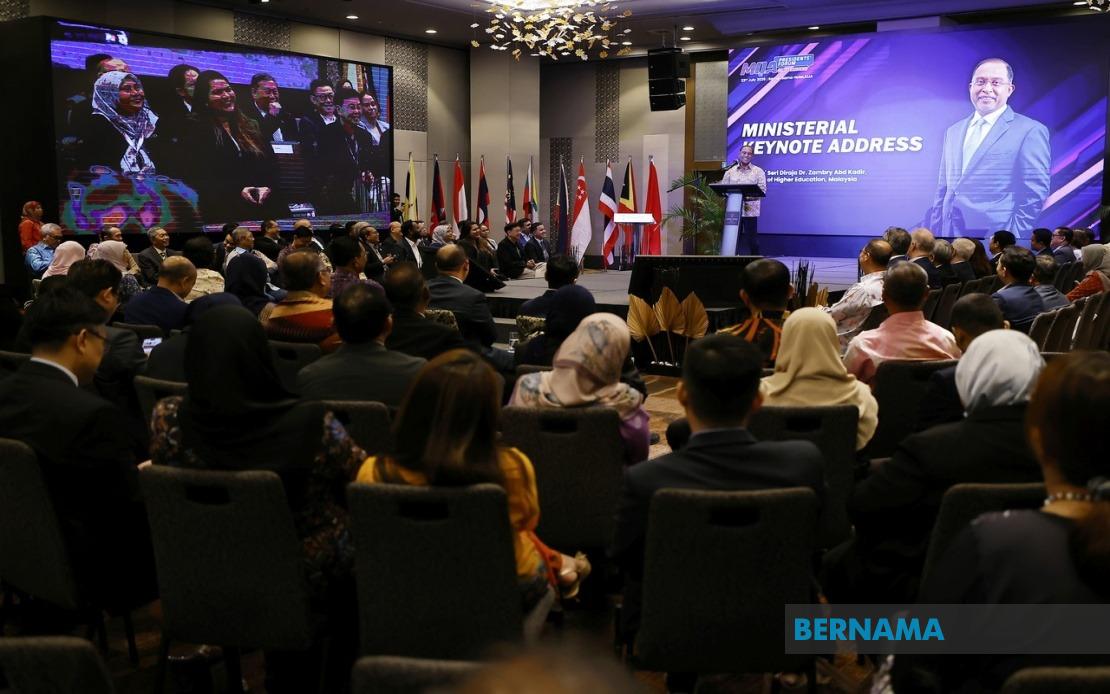
Higher Education Minister Datuk Seri Dr Zambry Abd Kadir has signalled that the government is moving to resolve a critical shortage of student accommodation at polytechnics nationwide, acknowledging that ageing hostel infrastructure requires urgent attention and investment. Speaking at the 2026 Malaysian Qualifications Agency Presidents' Forum in Sepang on July 23, Zambry outlined plans for systematic repairs to facilities identified as being in poor condition, reflecting growing pains within Malaysia's technical and vocational education sector.
The accommodation crisis has emerged as an unintended consequence of the government's successful push to redirect more secondary school graduates toward TVET pathways. By encouraging Sijil Pelajaran Malaysia (SPM) holders to pursue polytechnic and skills institution programmes instead of traditional academic routes, policymakers have fundamentally reshaped enrolment patterns across the country. This shift represents a significant strategic reorientation aimed at addressing Malaysia's evolving skills gap and workforce demands in technical industries.
The scale of this shift became apparent during the recent 2026/2027 intake cycle, when polytechnics nationwide registered 30,488 new students on June 22 alone. This intake represents more than 125 per cent of normal application projections, a remarkable achievement that demonstrates the policy's effectiveness in attracting students to vocational pathways. However, this unprecedented demand has exposed critical gaps in the physical infrastructure that was designed and constructed when polytechnic enrolment operated at significantly lower levels.
Zambry framed the accommodation challenge as a positive reflection of government success rather than a policy failure. He noted that the situation emerged specifically because the campaign to promote TVET had achieved its intended goal—convincing record numbers of SPM graduates that technical education offers viable and rewarding career trajectories. The minister's framing is important context for understanding how Malaysian policymakers view this infrastructure crisis: not as a crisis born of poor planning, but as evidence that the TVET promotion strategy is working more effectively than anticipated.
However, the practical implications remain serious. Several polytechnic campuses, particularly those with older hostel buildings constructed decades ago, now face accommodation constraints that could undermine student welfare and academic performance. Students unable to secure on-campus housing may face additional costs, longer commutes, or forced relocation away from their institutions. For many coming from rural or disadvantaged backgrounds, inadequate accommodation could prove a barrier to completing their studies, effectively negating the government's efforts to democratise access to quality technical education.
The Ministry of Higher Education (MOHE) has already begun identifying which hostel facilities require immediate repair and maintenance work. Zambry indicated that the ministry had formally requested government funding for renovation projects at several polytechnics deemed to be in particularly poor condition. This systematic assessment represents the first concrete step toward addressing the backlog, moving beyond acknowledgement of the problem toward budgeted intervention. The minister invoked the phrase "Insya-Allah"—conveying both religious sentiment and a tentative assurance that solutions will materialise.
Zambry also delegated direct responsibility to Dr Shamsuri Abdullah, director-general of the Polytechnic and Community College Education Department, to implement immediate measures addressing student placement and related accommodation matters. By elevating this issue to the director-general level and issuing explicit instructions, the minister has signalled that polytechnic accommodation is now a priority concern within MOHE's operational hierarchy. This decision suggests that further announcements regarding specific repair timelines and budgets may follow.
For Malaysian students, particularly those from lower-income families, the resolution of this crisis carries significant weight. Polytechnic education has become increasingly vital to Malaysia's development as a middle-income nation requiring skilled trades workers, technicians, and industrial professionals. When accommodation barriers impede access to these programmes, broader economic and social goals—including skills development and social mobility—become compromised. The government's commitment to funding hostel repairs therefore extends beyond mere facility management into questions of educational equity and national competitiveness.
The polytechnic accommodation issue also reflects broader infrastructure challenges within Malaysia's higher education system. Many public institutions have experienced similar pressures as demand for their programmes has grown, yet capital budgets for physical plant upgrades have not expanded proportionally. This gap between rising enrolment and stagnant infrastructure investment represents a systemic constraint affecting multiple education sectors, not merely polytechnics. How the government addresses this specific crisis may set precedent for how other overcrowded institutions receive support.
For the TVET sector specifically, resolving the accommodation challenge is crucial to sustaining momentum around vocational education promotion. If students encounter poor living conditions at polytechnics, this could inadvertently undermine the very cultural shift the government has worked to cultivate. Word-of-mouth experiences among secondary school students and parents shape perceptions of polytechnic education; negative reports regarding accommodation could discourage future applications and slow the transition toward a more technically skilled workforce.
The government's response will also determine whether the 125 per cent intake surge continues into future cycles or stabilises at lower levels. Should accommodation improvements be implemented successfully and transparently communicated, polytechnics could potentially sustain higher enrolment levels. Conversely, if repairs proceed slowly and students continue reporting substandard living conditions, future application rates may decline as prospective students seek alternatives at better-resourced institutions or universities.
Zambry's public acknowledgement of this challenge represents appropriate ministerial transparency. Rather than minimising the accommodation issue or attributing it entirely to external factors, the minister presented it as a manageable problem requiring targeted investment. This approach builds public confidence that MOHE understands the barriers currently facing polytechnic students and is committed to removing them. Over coming months, the concrete delivery of hostel repairs will either validate or undermine that confidence, making implementation speed and quality critical factors in the government's credibility on education policy.

