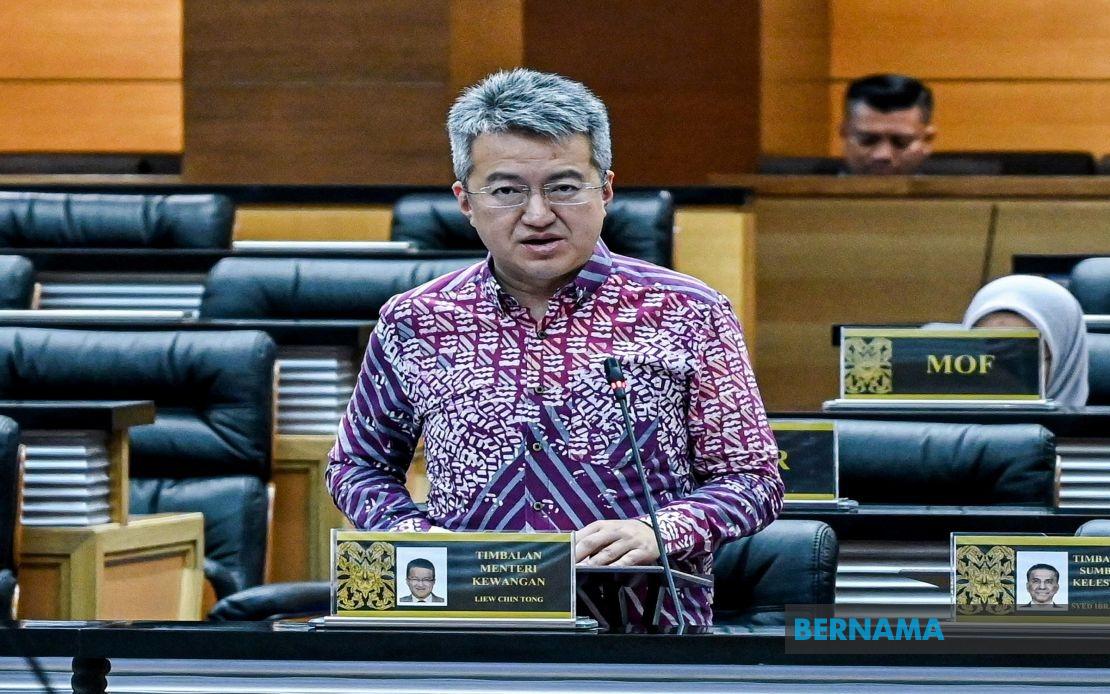
The Malaysian government is actively considering a proposal to exempt elderly care centres from the eight per cent Sales and Service Tax, according to Deputy Finance Minister Liew Chin Tong, signalling potential relief for families struggling with mounting care costs in an environment of rising living expenses. The Ministry of Finance, working in tandem with the Ministry of Women, Family and Community Development, has initiated a comprehensive review that extends beyond a simple yes-or-no decision, instead examining the nuances of the elderly care sector to determine which facilities should qualify for preferential tax treatment.
The study being conducted involves a granular examination of the current service tax framework with particular attention to distinguishing between care centres that provide basic services and those offering premium facilities. This differentiation is critical because it reflects the government's broader concern about protecting lower-income families from additional financial strain while maintaining fiscal revenue where residents can afford higher fees. The distinction matters enormously for Malaysian families, many of whom are already grappling with education costs, healthcare expenses, and housing commitments alongside care arrangements for ageing parents or relatives.
Deputy Minister Liew emphasised that any exemption framework must be carefully calibrated to shield genuinely vulnerable groups from unintended consequences of the tax system. The concern driving this review stems from the reality that the eight per cent service tax, when applied to monthly care fees averaging around RM2,500, creates a substantial additional burden for ordinary families. For many middle-class and lower-middle-class households already stretched financially, such increases can force difficult choices between quality care for elderly relatives and other essential family needs.
The government's commitment to broadening consultation before finalising any recommendations reflects the complexity of balancing multiple interests. Liew indicated that feedback from all stakeholders—including care operators, family associations, healthcare professionals, and resident representatives—would be incorporated into the decision-making process. This inclusive approach recognises that elderly care is not merely a tax policy issue but a social welfare question touching on family values, intergenerational responsibility, and the dignity of Malaysian seniors.
Beyond the abstract policy discussion, Liew announced that the Ministry of Finance, in conjunction with the Ministry of Women, Family and Community Development, intends to conduct direct site visits to elderly care centres across the country. These visits transcend typical bureaucratic fact-gathering; they represent an effort by senior officials to observe operational realities and understand the precise pressures facing care operators and families using their services. Such engagement is particularly valuable given that care centre operators often operate on thin margins and struggle to balance service quality, staff compensation, and business sustainability.
The proposed working visits also include structured dialogue sessions designed to extract detailed, ground-level information about how the service tax has actually affected the elderly care sector since its introduction. Officials will gain first-hand insights into staffing challenges, facility maintenance costs, and resident fee structures—knowledge that cannot be adequately conveyed through written submissions or formal parliamentary questions. This fieldwork approach suggests the government recognises that policy decisions affecting vulnerable populations benefit from direct human contact and contextual understanding.
Deputy Minister Liew's stated priority of focusing on elderly care before examining other sectors indicates this issue has ascended in the government's social policy hierarchy. The emphasis on resolving challenges specific to the elderly before broadening the inquiry reflects acknowledgment that senior citizens represent a particularly vulnerable demographic group deserving targeted policy attention. As Malaysia's population ages—a demographic shift mirroring patterns across Southeast Asia—elderly care accessibility and affordability will only grow as pressing national concerns.
The parliamentary context reveals broader legislative activity, with the Special Chamber session recording 63 motions under Standing Order 17 across a 16-day sitting involving participation from 18 different ministries. The government's willingness to address issues raised through parliamentary procedures demonstrates institutional responsiveness, though the gap between acknowledging concerns and implementing solutions remains significant. The fact that both government backbenchers and opposition members have participated in chairing proceedings suggests the elderly care issue transcends partisan lines, reflecting genuine cross-party concern about family welfare.
For Malaysian families currently navigating elderly care arrangements, the government's study represents cautiously promising movement toward addressing legitimate cost pressures. However, implementation timelines remain unclear, and the scope of any eventual exemption—whether it covers all registered care centres or only those meeting specific criteria—will substantially determine actual impact. The commitment to examine the distinction between basic and premium services hints that any exemption may be narrowly tailored, potentially limiting relief to lower-income facilities while maintaining tax obligations on upmarket establishments.

