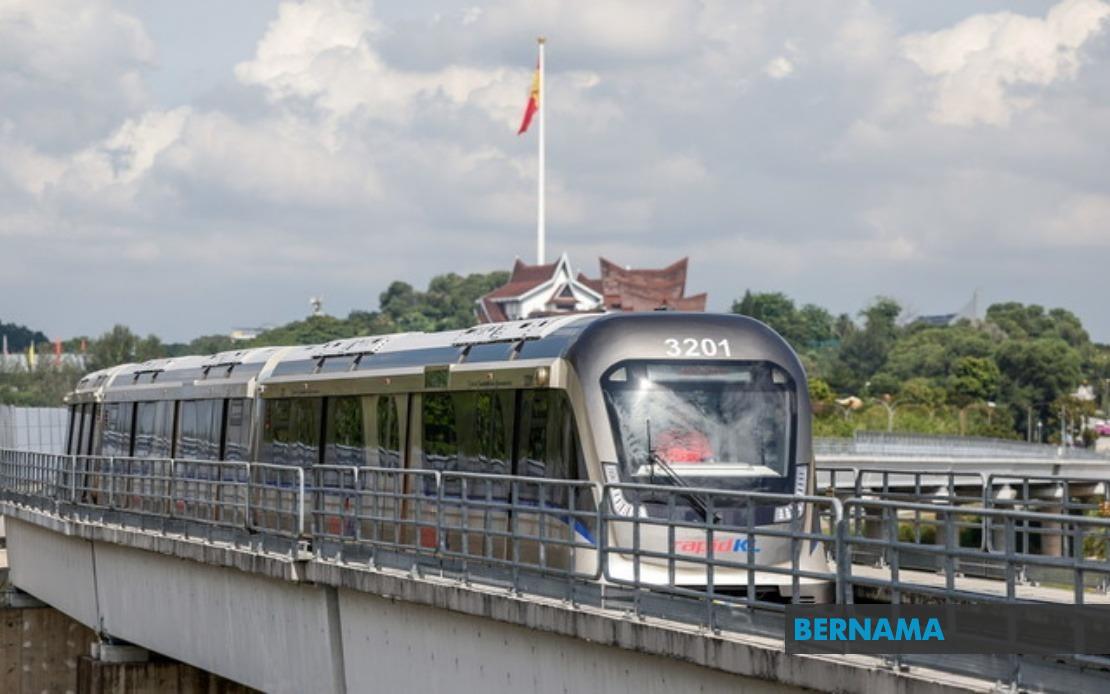
The Malaysian government has committed to meeting with Sultan Sharafuddin Idris Shah, the ruler of Selangor, to address mounting concerns about the LRT3 Shah Alam Line project. Transport Minister Anthony Loke announced the planned audience at a charity event in Kuala Lumpur, signalling the administration's willingness to engage directly with the monarchy over the troubled public transport initiative. The move underscores the political sensitivity surrounding the light rail project, which has faced significant setbacks and modifications since the transition to the MADANI administration.
The Sultan's criticism of the LRT3 project centres on a pattern of compromises that have progressively weakened its original scope and ambition. When the Federal Government changed hands in 2018, the project ground to a halt entirely, remaining suspended for over 18 months while political transitions settled. The suspension inflicted substantial costs and disrupted planning timelines. Subsequently, when work resumed, the COVID-19 pandemic imposed another 19-month delay that extended until 2021, compounding scheduling pressures and budget challenges that would reshape the entire initiative.
These delays precipitated a cascade of design modifications that fundamentally altered what the LRT3 would deliver to Selangor residents. The physical footprint of proposed stations was deliberately scaled down, presumably to reduce construction expenses and expedite completion. Equally concerning from the Ruler's perspective, planners reduced the number of train carriages that would run on the system, directly limiting passenger capacity and service frequency. Most strikingly, five stations initially designated for the alignment were entirely cancelled, meaning entire communities would lose direct access to the rail network and the mobility benefits such infrastructure traditionally provides.
Sultan Sharafuddin framed these modifications as departures from the project's foundational purpose. He emphasised that the LRT3 was never conceived as a prestige project designed to enhance the government's political standing or international image. Rather, the Ruler characterised it as a pragmatic initiative intended to serve the material interests and quality of life of ordinary Selangor residents. This distinction carries considerable weight in Malaysian political discourse, where rulers traditionally position themselves as custodians of their subjects' welfare, distinct from partisan political interests.
Loke's commitment to seek an audience reflects the government's acknowledgment that addressing royal concerns requires more than press statements or bureaucratic channels. Direct engagement with the Sultan provides an opportunity to explain the rationale behind the modifications and potentially rebuild confidence in the project's trajectory. Such meetings also demonstrate respect for constitutional monarchical prerogatives in Malaysia's system of governance. The willingness to appear before the throne signals that the government takes the Ruler's observations seriously and regards them as worthy of senior ministerial attention.
The LRT3 controversy carries implications beyond Selangor's borders, as it reflects broader challenges facing Malaysia's public transport ambitions. Infrastructure projects that undergo extended suspension and redesign often struggle to recover public confidence, particularly when modifications are perceived as downgrades rather than refinements. For readers across the region contemplating their own rapid transit initiatives, the LRT3 experience illustrates how political transitions, pandemic disruptions, and budget constraints can collectively undermine the transformative promise of major infrastructure investments.
In parallel developments, Loke indicated that the Transport Ministry is actively supporting voter participation in the 16th Johor State Election scheduled for July 11. The government has coordinated with Keretapi Tanah Melayu Berhad (KTMB) to expand Electric Train Service (ETS) capacity between Kuala Lumpur and Johor Bahru, recognising that enhanced public transport accessibility facilitates civic participation. This logistical support demonstrates how transport infrastructure can serve electoral purposes, enabling voters who have relocated for work or education to return to their constituencies to cast ballots.
The expanded ETS service provides additional connections through intermediate stations including Segamat and Labis, benefiting voters from diverse regions within Johor and those returning from Singapore. By increasing train frequency, the government aims to reduce barriers to voting participation and signal commitment to maximising electoral engagement. This initiative also carries commercial implications for KTMB, as increased passenger volumes from expanded service schedules potentially generate higher revenues during peak travel periods.
The 16th Johor State Election will feature 172 candidates contesting across 56 state seats, representing a substantial political competition that extends across multiple constituencies. Early voting is scheduled for July 7, followed by general polling on July 11, providing voters with flexibility in the timing of their participation. The government's transport enhancement initiative acknowledges that electoral participation among outstation voters often depends on practical considerations including travel convenience and service availability.
The parallel attention to both the LRT3 royal audience and electoral logistics reflects the multifaceted nature of contemporary governance in Malaysia. Senior ministers must simultaneously manage technical infrastructure challenges, maintain respectful relationships with constitutional bodies including the sultans, and ensure that electoral processes function smoothly. Loke's simultaneous handling of these distinct issues illustrates the complexity of ministerial portfolios in multi-layered political systems where national government, state rulers, and electoral processes operate according to distinct but intersecting frameworks.
Looking ahead, the effectiveness of the government's engagement with Sultan Sharafuddin regarding LRT3 will likely influence public and political perceptions of the project's legitimacy. When rulers publicly raise concerns about government projects, the response signals broader attitudes toward accountability and stakeholder consultation. A credible explanation that acknowledges past constraints while articulating a compelling vision for project completion could restore confidence. Conversely, perceived evasion or dismissal of royal concerns could deepen scepticism about whether the modified LRT3 genuinely serves public interests or represents an example of infrastructure ambition progressively eroded by bureaucratic and political pressures.
The resolution of the LRT3 impasse carries significance for Malaysia's broader aspirations regarding sustainable urban development and public transport integration. As the nation pursues ambitious connectivity goals, the experience with LRT3 provides crucial lessons about managing stakeholder expectations, maintaining project coherence through political transitions, and preserving infrastructure quality despite external shocks. Southeast Asian policymakers monitoring Malaysia's approach to these challenges will draw their own conclusions about whether the modified LRT3 represents pragmatic adaptation or cautionary compromise.

