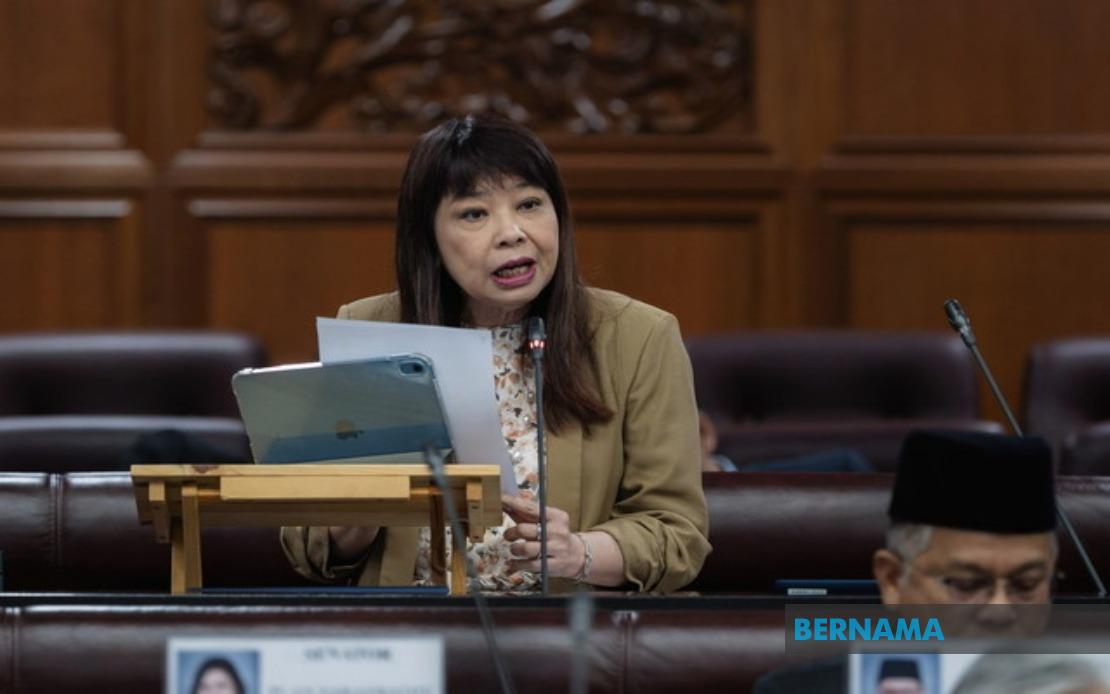
The Malaysian government is actively considering the creation of a dedicated registry to track individuals convicted of domestic violence offences, marking a potential shift in how the country approaches repeat abuse cases. Deputy Women, Family and Community Development Minister Lim Hui Ying disclosed during parliamentary proceedings in the Dewan Negara that the proposal is undergoing joint evaluation by the Women, Family and Community Development Ministry (KPWKM), the Royal Malaysia Police (PDRM), and Malaysia's judicial system. The initiative aims to establish systematic monitoring mechanisms that would help prevent serial offenders from continuing cycles of abuse against their partners or family members.
The absence of comprehensive data on repeat domestic violence perpetrators has been a persistent challenge for Malaysian authorities seeking to strengthen victim protection. Lim indicated that government agencies currently lack accurate records of offenders who commit multiple violations, hampering efforts to identify patterns of abuse or implement targeted preventative measures. This data gap has prompted the inter-agency collaboration to develop an appropriate framework capable of recording offender information through existing criminal records or a purpose-built registry system. Such coordination reflects growing recognition that tackling domestic violence requires institutional mechanisms that extend beyond traditional law enforcement responses.
The proposed registry would function as an early warning system, enabling authorities and courts to identify individuals with histories of family violence and apply appropriate legal remedies. When a domestic violence complaint involves someone already listed in the registry, judicial officers and protection order administrators could make more informed decisions about the severity of risk to the victim. This mechanism could also facilitate faster issuance of protective orders and enhanced monitoring conditions, theoretically reducing opportunities for escalation. The initiative sits within a broader context of South and Southeast Asian jurisdictions implementing offender registries, though Malaysia's framework will need to address local legal, privacy and practical considerations unique to the Malaysian context.
Beyond the registry proposal, the government has committed substantial resources to expanding and improving shelter infrastructure for domestic violence survivors. The Women, Family and Community Development Ministry allocated RM2.1 million during the current financial year specifically for refurbishing more than twenty government-operated shelters throughout the nation. These facilities provide critical emergency accommodation for individuals fleeing abusive situations, and the upgrade programme aims to ensure that shelters meet contemporary safety standards, maintain functional equipment, and retain capacity to respond quickly to acute situations requiring immediate sanctuary.
Current shelter provision across Malaysia comprises a network of 43 approved facilities operating under the Domestic Violence Act 1994 (Act 521), as documented in Social Welfare Department records through July 2026. The approved facilities consist of 39 shelters managed directly by government authorities and four operated by non-governmental organisations. This mixed-model approach distributes responsibility across public and civil society sectors, though capacity constraints remain an ongoing concern given the scale of domestic violence affecting Malaysian families. The infrastructure upgrades represent a practical investment in ensuring these essential services can continue functioning effectively.
Beyond shelter provision, the Social Welfare Department delivers a comprehensive suite of legal protections and support services designed to shield victims from further harm. Emergency Protection Orders (EPOs) constitute the most immediately responsive intervention, capable of being issued within two hours when circumstances demand urgent safeguarding measures. These orders provide temporary legal barriers preventing contact or proximity, buying time for victims to access shelter and formulate longer-term safety plans. The department additionally facilitates victim access to Interim Protection Orders (IPOs) and Protection Orders (POs) through formal court proceedings, establishing more durable legal frameworks when immediate threats have subsided.
The interconnected nature of these initiatives—the registry proposal, shelter improvements, and expanded legal protections—reflects an evolving governmental strategy addressing domestic violence across multiple intervention points. Prevention through offender monitoring, response capacity through emergency orders, and recovery support through shelters and ongoing assistance collectively form a more robust system than existed previously. However, implementation challenges remain substantial, particularly regarding data integration between police, courts and social welfare agencies, privacy protections for individuals on any registry, and ensuring victim safety is not compromised by information-sharing mechanisms.
For Malaysian women's rights advocates and civil society organisations, the registry proposal represents cautious progress on an issue demanding urgent attention. Domestic violence remains significantly underreported in Malaysia, with cultural factors, economic dependency and inadequate public awareness limiting help-seeking behaviour. A functioning offenders registry could theoretically deter repeat perpetrators aware that their actions would be documented, though evidence from other jurisdictions demonstrates that registries function most effectively when combined with robust prosecution and consistent court enforcement of protection orders. The proposal's success will ultimately depend on political commitment to implementation and whether adequate funding reaches the necessary agencies.
Regional perspectives on such registries vary, reflecting different legal traditions and privacy frameworks across Southeast Asia. Thailand, Singapore and the Philippines have explored similar mechanisms with mixed results, highlighting the importance of contextualising approaches to local legal systems and cultural norms. Malaysia's multi-agency study suggests policymakers are learning from regional experiences while adapting recommendations to fit domestic institutional structures and constitutional protections. The timeline for establishing any registry remains uncertain, with the collaborative study ongoing and no statutory implementation date announced.
The government's parallel commitment to improving shelter capacity signals recognition that prevention and protection measures must advance simultaneously. While a registry addresses offender accountability, expanded shelter access addresses victim safety in the critical period following abuse disclosure or separation attempts. The RM2.1 million allocation, while meaningful, likely represents insufficient funding for comprehensive facility modernisation across twenty locations, suggesting ongoing resource constraints will continue limiting expansion.
Moving forward, successful implementation will require transparent communication with affected communities about registry purposes and safeguards, careful legal drafting to protect victim privacy while enabling appropriate information sharing, and sustained political will beyond initial policy announcement. Malaysian officials studying this proposal face the challenge of adopting international best practices while ensuring mechanisms remain compatible with domestic law and effectively serve abuse survivors.

