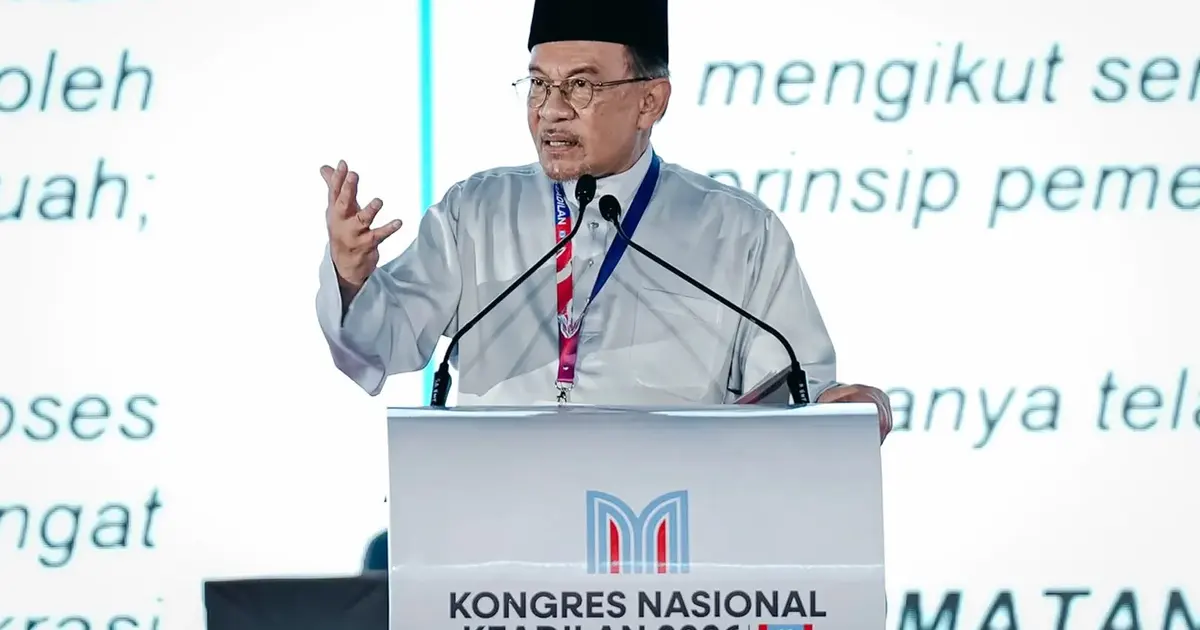
Prime Minister Anwar Ibrahim has signalled the government's intention to conduct a comprehensive review of Felda, building on investigations already underway at Tabung Haji, with the Yang di-Pertuan Agong reportedly supportive of this broader scrutiny of Malaysia's statutory bodies. The announcement reflects growing concern about governance standards and financial management across key state institutions that serve millions of ordinary Malaysians.
The government's decision to expand its probe beyond Tabung Haji represents a significant shift in accountability efforts. Tabung Haji, which manages pilgrims' savings and investments on behalf of Muslim Malaysians preparing for the hajj pilgrimage, has faced mounting criticism over its financial stewardship and internal governance lapses. Rather than treating this as an isolated case, the administration now recognises that similar problems may permeate other major statutory organisations requiring urgent intervention.
Felda, the Federal Land Development Authority, operates across vast swathes of Malaysia's economy and exercises considerable influence over the livelihoods of smallholder farmers and rural communities. The organisation oversees hundreds of thousands of hectares of agricultural land, manages significant financial assets, and wields substantial employment reach across multiple states. Any institutional failures within Felda therefore carry implications far beyond administrative circles, directly impacting food security resilience and rural development strategies across the country.
The decision to investigate Felda following the Tabung Haji examination reflects the government's understanding that financial mismanagement or governance shortfalls in large statutory bodies demand systematic investigation rather than ad hoc responses. The Prime Minister's remarks indicate that the Yang di-Pertuan Agong has endorsed a more expansive approach to institutional accountability, suggesting royal backing enhances the legitimacy and scope of such investigations.
Tabung Haji's troubles have proven emblematic of broader challenges affecting Malaysia's statutory sector. The pilgrims' fund has grappled with significant investment losses, questions about transparency in decision-making, and allegations of misalignment between institutional objectives and actual operations. These revelations prompted calls for deeper examination across the entire landscape of government-linked bodies, leading to the current escalation of investigative efforts.
For Malaysian observers, the expansion of probes carries both promise and concern. Thorough institutional audits can restore public confidence in organisations that manage national resources and serve vulnerable populations. Conversely, investigations must proceed with clear methodology, transparent findings, and genuine commitment to remedial action rather than becoming mere political exercises. The credibility of such efforts depends on visible outcomes and demonstrated reform.
Felda's potential examination opens questions about agricultural modernisation, farmer productivity, and rural economic transformation. The authority's management practices influence whether smallholder farmers benefit from modern farming techniques, fair market access, and sustainable income generation. If governance failures have compromised these outcomes, investigations could illuminate pathways toward institutional rejuvenation and improved farmer prosperity.
The royal endorsement of broader statutory body scrutiny demonstrates institutional commitment to governance standards transcending party politics. When the constitutional monarchy signals support for accountability mechanisms, it lends weight to investigations that might otherwise face accusations of selective targeting. This framework potentially establishes precedent for systematic review of other large statutory organisations including those in financial services, utilities, and resource management sectors.
Malaysia's experience with statutory body reform offers instructive lessons for Southeast Asia's broader development trajectory. As regional governments increasingly recognise that institutional quality directly correlates with economic resilience and poverty reduction effectiveness, transparency and accountability mechanisms become essential competitive advantages. Countries demonstrating genuine commitment to internal governance standards attract investment confidence and international recognition.
The timing of expanded investigations also reflects political maturity within Malaysia's governance ecosystem. Rather than viewing oversight as punitive or exclusively backward-looking, the government is positioning institutional review as forward-looking reform designed to enhance operational effectiveness. This reframing could encourage voluntary disclosure of problems and collaborative problem-solving rather than defensive resistance.
For rural communities and hajj pilgrims whose lives intersect with these statutory bodies, the promise of improved governance carries tangible significance. Better financial stewardship at Tabung Haji could enhance returns on individual contributions. Stronger management at Felda could translate into more reliable rural income, improved infrastructure, and greater farmer autonomy. These are not abstract administrative improvements but matters touching real households across Malaysia.
Moving forward, the credibility of Felda investigations will depend on demonstrable independence in investigation conduct, transparent communication of findings, and visible implementation of recommended reforms. Whether these efforts catalyse genuine institutional transformation or remain largely symbolic will significantly shape public perceptions of government commitment to governance improvements across the statutory sector.

