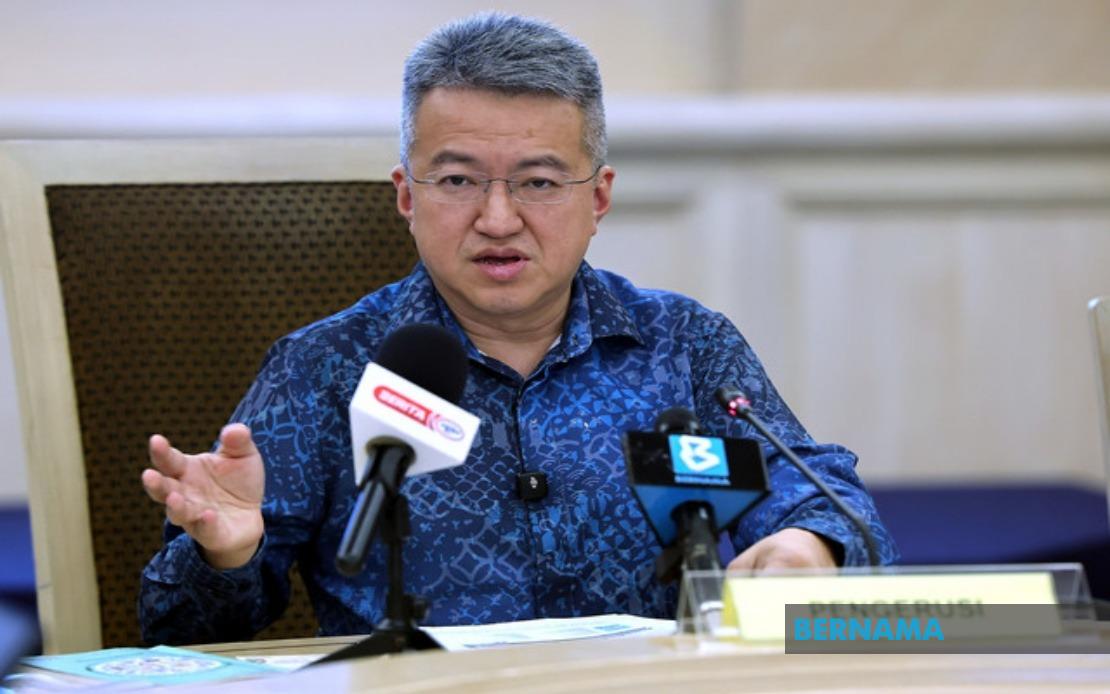
The Malaysian government has mobilised a multi-agency enforcement initiative to eliminate non-compliant electrical products from circulation, responding to widespread concerns about unsafe goods flooding both physical and digital retail channels. Deputy Finance Minister Liew Chin Tong outlined the Special Compliance Operation during an engagement with industry stakeholders in Putrajaya on July 23, signalling the government's determination to address a consumer safety crisis that has intensified with the rise of e-commerce platforms offering unvetted products.
The operation represents an unprecedented coordination between seven government bodies, bringing together the Ministry of Finance, the Malaysian Communications and Multimedia Commission, the Energy Commission, the Ministry of Domestic Trade and Cost of Living, the Royal Malaysian Customs Department, the Malaysia Border Control and Protection Agency, and SIRIM. This institutional alignment reflects the complexity of the challenge: non-compliant products enter Malaysia through multiple pathways and are sold through increasingly diverse channels that traditional enforcement mechanisms struggle to monitor effectively. The breadth of participation indicates that officials recognise this problem cannot be solved through customs enforcement alone, but requires simultaneous action at borders, in shops, online platforms, and throughout the supply chain.
The urgency of the crackdown stems from alarming findings about the prevalence of unsafe electrical goods in Malaysian markets. Liew disclosed that testing and reviews conducted jointly by industry players, the Energy Commission, and SIRIM revealed that electrical products failing to meet safety standards remain extensively available through both online platforms and conventional retail outlets. Particularly disturbing was the discovery that more than half of mobile phone chargers currently available for purchase lack ST-SIRIM certification, a certification signifying compliance with Malaysian electrical safety standards. This statistic underscores how deeply the problem has penetrated everyday consumer goods that Malaysian families purchase routinely, often without awareness of the risks they pose.
The fire hazard associated with non-compliant electrical products provides the most concrete justification for intervention. Statistical evidence shows that a substantial proportion of residential fires originate from electrical appliances that fail to meet safety requirements. Products without SIRIM certification may utilise substandard materials, inadequate insulation, or faulty protection mechanisms that increase the likelihood of overheating, short-circuiting, or catching fire. Children and teenagers face particular vulnerability, as they frequently use chargers, portable lighting, and other electrical products without adult supervision. Beyond fire risk, unsafe products expose users to electric shock injuries and other electrical hazards that can cause serious harm or death.
The operation will focus on five strategic areas designed to intercept unsafe products at multiple points in the supply chain and commercial ecosystem. Enhanced enforcement at primary entry points such as ports and airports aims to prevent non-compliant imports from reaching the domestic market in the first place. Integrated inspections at retail premises suspected of selling non-certified products will target the final point of sale. Simultaneous product sampling and laboratory testing will establish whether goods meet Malaysian safety standards, creating a factual basis for enforcement action. Improved scrutiny of import documentation will identify traders who deliberately misrepresent products or conceal their true nature through false declarations. Strengthened engagement with e-commerce platforms represents a crucial innovation, acknowledging that online marketplaces have become primary distribution channels for substandard goods and that cooperation from digital retailers is essential to achieve meaningful market cleanup.
The operation targets 34 categories of electrical appliances regulated under the Electricity Regulations 1994, covering the most commonly used household products in Malaysian homes. This category list encompasses electric kettles, refrigerators, toasters, portable lighting devices, washing machines, electric fans, chargers, cables, kitchen appliances, vacuum cleaners, and electric massagers. The breadth of this scope illustrates how pervasive the problem has become: nearly every Malaysian household uses multiple products from these categories daily. The regulatory framework governing these products has existed for decades, yet enforcement gaps have allowed unsafe alternatives to proliferate, particularly through e-commerce channels that operate across borders and jurisdictions where oversight remains fragmented.
The proliferation of non-compliant electrical products reflects several systemic vulnerabilities in Malaysia's consumer protection ecosystem. E-commerce platforms have created marketplaces where sellers from multiple countries can list products with minimal vetting, and consumers cannot easily distinguish certified from uncertified goods. Price differentials create strong incentives for both importers and consumers to purchase cheaper non-compliant alternatives: unsafe chargers often cost significantly less than SIRIM-certified versions, attracting price-conscious buyers unaware of the risks. Enforcement capacity has struggled to keep pace with the exponential growth in online commerce, as traditional inspection-based approaches designed for physical stores cannot easily scale to monitor millions of online listings across multiple platforms. Importers have sometimes exploited regulatory ambiguities or sought loopholes, importing products without proper certifications and relying on weak enforcement to avoid penalties.
For Malaysian consumers, the implications of this crackdown are significant and multifaceted. Individuals who have purchased non-compliant electrical products may face safety risks until the operation identifies and removes dangerous goods from circulation. The initiative should ultimately make the market safer by reducing the availability of hazardous products and ensuring that electrical goods meet minimum safety standards before reaching consumers. However, consumers must also play an active role by learning to identify SIRIM-certified products, avoiding suspiciously cheap electrical goods, and purchasing from reputable retailers whenever possible. The government messaging around this operation should emphasise consumer education alongside enforcement, helping Malaysians understand why certified products command higher prices and why cutting corners on electrical safety carries unacceptable risks.
From a competitive fairness perspective, the operation addresses a significant market distortion that has disadvantaged legitimate importers and retailers. Traders who comply with safety regulations and invest in proper certification face higher costs and lower profit margins compared to competitors selling uncertified imports. This creates a race to the bottom where dishonest operators gain competitive advantages through regulatory non-compliance. By eliminating non-compliant products and enforcing consistent standards across all retailers and platforms, the operation levels the playing field and rewards businesses that operate responsibly. Legitimate traders should view this operation as protecting their market position and enabling them to compete on quality and service rather than being undercut by unsafe alternatives.
The government's emphasis on cooperation with e-commerce platforms represents a pragmatic acknowledgement that enforcement alone cannot succeed without participation from digital retailers. Online platforms have institutional advantages in monitoring seller behaviour, removing listings, and implementing compliance requirements as conditions of marketplace participation. Malaysian platforms may need to develop systems that verify SIRIM certification before allowing electrical products to be listed, similar to how some e-commerce sites already manage food safety or pharmaceutical compliance. International platforms operating in Malaysia will face pressure to apply similar standards to Malaysian products as they apply to other markets, ensuring that Malaysian consumers receive equivalent protection to users in developed countries. The success of this dimension will likely determine whether the operation achieves meaningful, lasting market improvement or whether online channels simply become more difficult to police.
Implementation of this coordinated operation faces several practical challenges that authorities must navigate carefully. Distinguishing counterfeit SIRIM certification from legitimate certification requires technical expertise and coordination between enforcement agencies and SIRIM itself. Products imported legitimately months or years ago may still be in consumer homes or retailers' inventory; the operation must clarify how existing non-compliant stock will be handled compared to future imports. Small retailers and traders who unknowingly purchased non-certified products may face enforcement action, raising fairness and practical questions about transition periods and education. E-commerce platforms must balance compliance requirements against business interests and user experience, potentially creating friction if processes become burdensome. Despite these challenges, the coordinated approach and multi-agency structure suggest authorities have invested considerable thought into designing an operation with reasonable prospects of success.
Lookingly forward, the Special Compliance Operation signals Malaysia's commitment to strengthening consumer protection and regulatory enforcement in the electrical products sector. Success will require sustained commitment from all participating agencies, cooperation from industry stakeholders and online platforms, and consumer awareness campaigns that help Malaysians make safer purchasing decisions. The operation also provides a model that could potentially be extended to other product categories where safety concerns exist. As Malaysia develops increasingly sophisticated consumer protection mechanisms and enforcement capacity, operations of this type demonstrate that government can effectively address market failures even in complex, transnational commercial environments. For Malaysian households, this initiative represents an important step toward ensuring that everyday electrical products meet basic safety standards and that future purchasing decisions occur in a market where certification and compliance carry real meaning.

