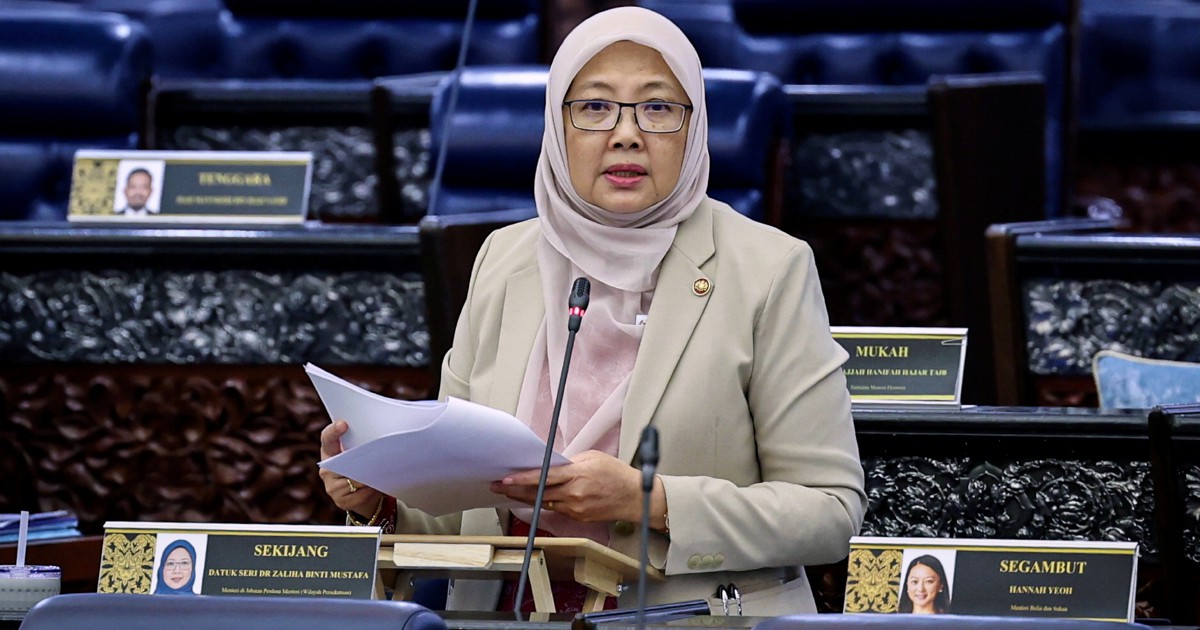
Datuk Dr Zaliha Mustafa, who chairs the Government Backbenchers Club, has publicly rebuked Perikatan Nasional (PN) MPs for their decision to leave the chamber during a special sitting of the Dewan Rakyat devoted to discussing the Royal Commission of Inquiry report on Lembaga Tabung Haji. The departure, which occurred during what had been scheduled as a focused parliamentary session, drew sharp criticism from the government backbench representative, who viewed the action as a dereliction of parliamentary duty.
The Tabung Haji inquiry represents a significant moment in Malaysian political discourse, particularly given the institution's importance to Muslim pilgrims managing savings and loans for the Hajj journey. The RCI's findings and subsequent parliamentary scrutiny carry weight not only for governance oversight but also for public confidence in how religious and financial institutions are managed. The walkout by PN members arguably undermined opportunities for opposition voices to engage substantively with the report's contents and recommendations during a formal parliamentary forum.
Zaliha's criticism reflects broader tensions within Malaysia's current political landscape, where government and opposition coalitions maintain competing visions for parliamentary engagement. The incident highlights how procedural disagreements or strategic boycotts can disrupt the deliberative function that special parliamentary sittings are designed to serve. Her condemnation suggests frustration that opposition lawmakers chose absence over participation in an examination that carries implications for the broader Muslim community and institutional accountability.
The Royal Commission of Inquiry into Lembaga Tabung Haji has been a matter of public interest, given concerns raised about the institution's financial management and operational transparency. When Parliament convenes specifically to debate such reports, the expectation is typically that all parties will attend to ensure comprehensive discussion of findings, potential policy remedies, and accountability measures. The PN decision to walk out, therefore, invites questions about whether the opposition coalition viewed the session as an insufficient forum for airing grievances or pursued the boycott as a political statement.
The Government Backbenchers Club, through Zaliha's leadership, occupies a particular position within Malaysia's parliamentary architecture. Unlike the Cabinet or formal government leadership structures, backbench clubs serve as platforms for rank-and-file MPs to express views, coordinate on issues of concern, and maintain party discipline. Zaliha's public statement underscores the backbench perspective that parliamentary presence and engagement matter—particularly when institutional governance and public trust hang in the balance.
For Malaysian Muslim pilgrims and their families, the RCI report carries personal significance. Many individuals rely on Tabung Haji's facilities and financing schemes to fulfil one of Islam's five pillars. Any institutional mismanagement or governance failures directly affect these aspirations and financial security. A complete parliamentary examination, therefore, serves not merely as a procedural necessity but as a mechanism for protecting the interests of this constituency. The opposition's absence arguably diminished the democratic legitimacy of that process, even if some PN MPs may have had specific objections to the proceedings.
Political walkouts in parliamentary settings have become increasingly common across Southeast Asian democracies, sometimes deployed as protest tactics when opposition parties believe formal proceedings are rigged or insufficient. In Malaysia's context, such boycotts occasionally reflect disagreements over procedural fairness, question of parliamentary standing, or broader political contestation. Whether PN's departure stemmed from one or several such concerns remains part of the emerging political narrative around this incident.
Zaliha's condemnation carries weight because government backbenchers often position themselves as defenders of parliamentary institution and process, even when they disagree with specific policies. Their criticism of opposition conduct typically centres on respect for democratic procedures and the chamber's deliberative function. By highlighting the PN walkout, Zaliha implicitly argued that parliament's legitimacy depends on cross-party participation, even when contentious matters are at stake.
The implications extend beyond this single incident. If opposition coalitions increasingly resort to parliamentary boycotts rather than engagement, the cumulative effect weakens legislative scrutiny and public discourse around institutional accountability. For Malaysians observing parliamentary conduct, particularly those seeking assurance that governance failures will be thoroughly examined and remedied, the absence of opposition voices during the Tabung Haji debate may raise questions about whether parliament is functioning as a complete forum for national conversation.
Moving forward, the PN's decision may prompt broader discussion about parliamentary conventions, the expectations placed on opposition MPs, and how best to conduct inquiries into matters affecting substantial portions of the electorate. Whether the walkout reflects principled objection or strategic positioning will likely become clearer as opposition statements elaborate their reasoning. For now, Zaliha's criticism establishes one significant voice arguing that parliamentary attendance and constructive engagement serve Malaysia's democratic interests better than tactical absence.

