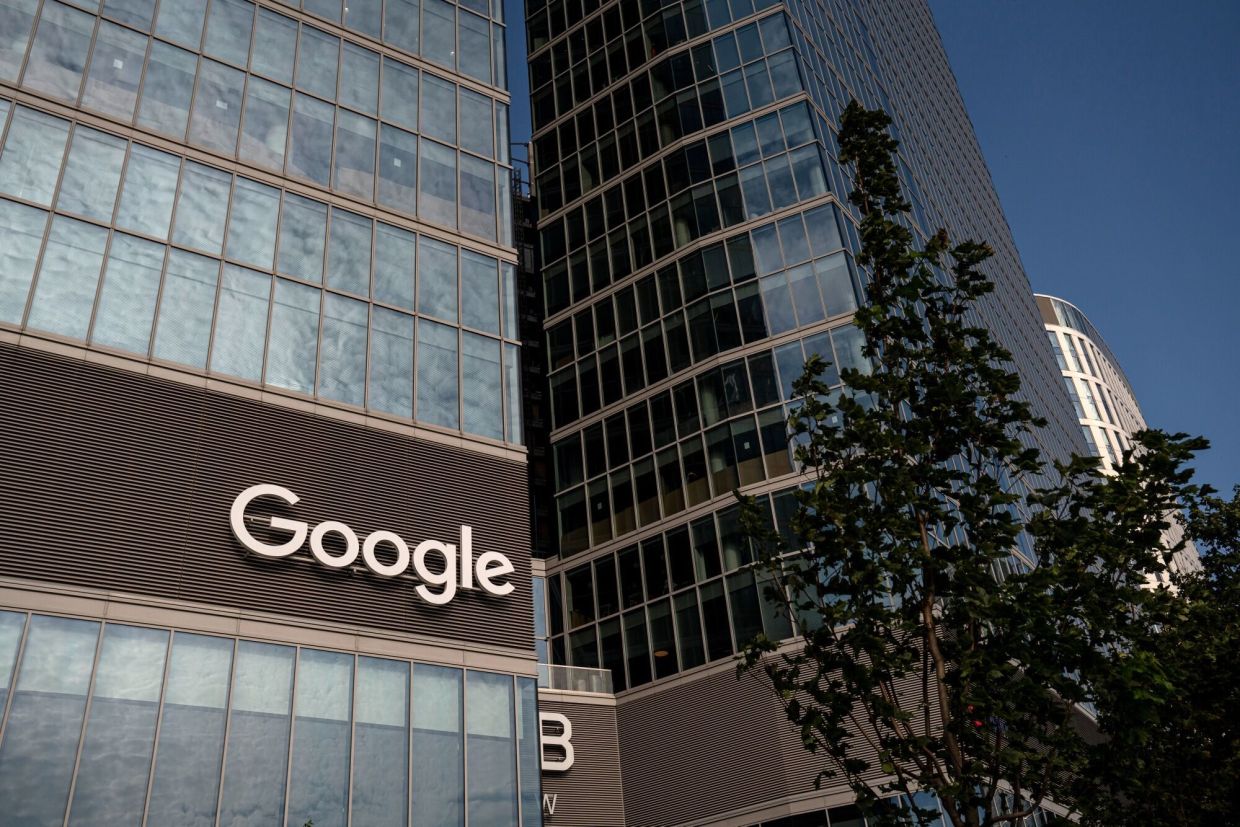
The irony cuts deep: a company that aggressively markets artificial intelligence hiring tools to global corporations has quietly admitted to its own job seekers that those very systems are fundamentally broken. Google DeepMind's AGI Safety and Alignment Team, tasked with managing risks from advanced artificial intelligence, recently distributed internal guidance to applicants cautioning them that their applications face a "non-trivial probability" of being incorrectly filtered out by Google's own screening systems. The candid acknowledgment, contained in a confidential document marked "PLEASE DO NOT SHARE THIS DOC WIDELY," stands in stark contrast to how Alphabet Inc positions these technologies to prospective enterprise clients.
The team's solution was characteristically pragmatic: bypass the algorithm entirely. Job seekers were encouraged to complete a special supplementary form that would route their applications directly to hiring managers, circumventing the automated screening layer altogether. This workaround reveals a uncomfortable truth operating in the shadows of the artificial intelligence revolution—that even the technologists building these systems do not trust them when their own professional interests are at stake. The document's explicit statement that "a real human on the team will get to see your application" only after candidates jump through extra hoops underscores just how much faith Google's own researchers have in their hiring AI.
Google's official response attempted to downplay the significance of the bypass mechanism. A company spokesperson insisted that Google "aims to recruit and hire the most qualified talent at Google DeepMind" and flatly denied that the company's systems screen out applicants incorrectly. Yet the spokesperson's explanation actually validated the concern: the team had "set up a special form to go past the recruiter review, and get their resumes direct to the people on the team." The phrasing itself—"go past the recruiter review"—tacitly acknowledges that the automated system represents a barrier rather than an asset in the recruitment process.
This contradiction highlights a widening chasm between how technology giants market artificial intelligence solutions and how those same companies operationalise them internally. Alphabet's Workspace division aggressively promotes AI capabilities to business customers, highlighting features designed to "save HR time by quickly creating drafts for job postings, evaluating resumes, and forecasting hiring needs." These tools are pitched as efficiency multipliers that will transform corporate recruitment. Yet when Google DeepMind needed to fill specialized roles requiring deep technical expertise, the organisation apparently concluded that relying on these same automated systems was too risky.
The broader ecosystem of AI-powered hiring has become increasingly fraught with complications. Different vendors employ varying approaches—some construct machine learning models that rank applicants on predicted job performance, while others simply parse resumes for predetermined keywords and qualifications. This opacity makes it difficult for job seekers to understand how they are being evaluated. The stakes are considerable: a candidate's entire career trajectory can be derailed by algorithmic decisions made by software they never see, trained on data they cannot inspect, using criteria they cannot challenge.
The potential for discrimination embedded within these systems has drawn intense scrutiny. Recent investigations found that OpenAI's ChatGPT exhibited measurable bias when evaluating candidates based on names that signal particular ethnic backgrounds. More significantly, Workday Inc—a company whose workplace software platform is used by thousands of organizations globally—is currently defending a lawsuit alleging that its AI hiring systems systematically screen out applicants based on race, age, and disability status. Workday has maintained that humans ultimately make hiring decisions, yet this defence obscures how automated screening shapes which candidates ever reach human decision-makers in the first place.
The arms race between job seekers and filtering algorithms has become increasingly sophisticated. Some candidates have begun employing generative AI tools to craft applications that optimize for algorithmic screening, effectively gaming the systems designed to filter them out. This dynamic creates perverse incentives: applications become optimized for machine readability rather than human judgment, potentially obscuring genuine qualifications beneath layers of algorithmic pandering. Google DeepMind's team recognized this trap and explicitly cautioned applicants against this approach. Their advisory in the bypass form warned that "these humans get really tired of reading LLM answers, because they all sound very samey."
For Southeast Asian job seekers and technology professionals, these dynamics carry particular significance. Many multinational technology companies recruiting talent across the region employ similar automated screening systems, yet operate with minimal transparency about how these systems function. A Malaysian or Singaporean engineer applying to a regional Google office faces identical risks of algorithmic misclassification as their counterparts elsewhere, yet may lack the insider knowledge that Google's own researchers possess about the system's limitations. The absence of clear disclosure about how applications are evaluated represents a material disadvantage for candidates outside the technology industry's core networks.
The incident also raises uncomfortable questions about accountability and regulatory oversight. If Google's own researchers cannot confidently trust the company's hiring AI, what responsibility does Alphabet bear to its enterprise customers who deploy these systems at scale? Current employment law in most jurisdictions, including across Southeast Asia, has not kept pace with the algorithmic transformation of hiring. There are few enforcement mechanisms to ensure that AI hiring systems operate fairly, transparently, and without discriminatory impact. The burden of proof typically falls on affected individuals to demonstrate bias after being rejected, rather than on companies to demonstrate that their systems are fair before deployment.
Looking forward, this episode suggests that the technology industry itself is beginning to confront the limitations of its own creations when applied to consequential decisions affecting human lives. Google DeepMind's quiet workaround may be a small crack in the façade of AI triumphalism, but it is a significant one. The researchers responsible for managing existential risks from advanced artificial intelligence apparently concluded that even incrementally sophisticated hiring systems posed unacceptable risks of error. For corporations and job seekers alike, that cautionary tale deserves serious attention.

