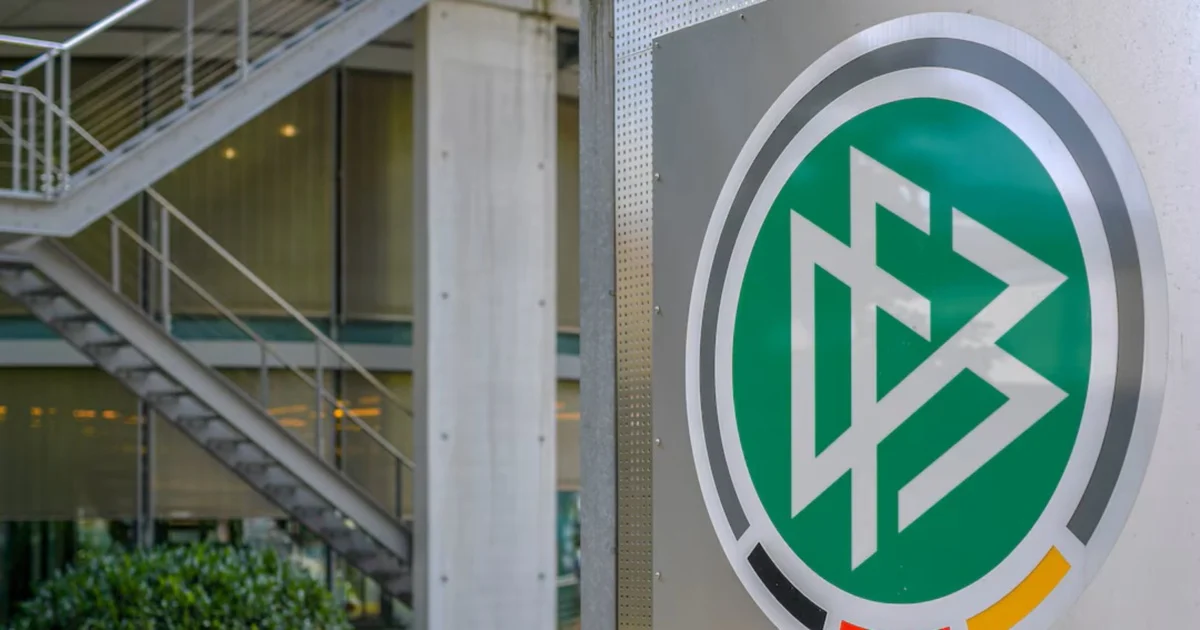
German law enforcement authorities conducted coordinated raids across multiple locations on Wednesday, including the headquarters of the Deutsche Fußball-Bund (DFB), as part of an expanding investigation into allegations of improper ticket distribution and hospitality arrangements during the 2024 European Championship tournament held in Germany earlier this year. The operation represents a significant development in scrutiny surrounding the continent's premier football competition and raises fresh questions about governance standards in major sporting events.
The nationwide search operations were triggered by suspected irregularities in how match tickets and hospitality packages—typically among the most valuable and sought-after commodities at international tournaments—were allocated and distributed. Such investigations commonly emerge months after major championships when administrative reviews uncover discrepancies or when whistleblowers provide information to authorities about potential misconduct in the ticketing process.
The DFB, which serves as Germany's national football governing body and plays a custodial role in tournament organisation, found itself at the centre of the inquiry despite the event's generally smooth execution from a sporting perspective. This distinction between athletic success and administrative propriety has become increasingly common in modern sports governance, where integrity in non-competitive matters has gained prominence among regulators and the public. The association had overseen ticketing logistics for the month-long tournament that captivated audiences across Europe and beyond.
Ticketing violations at major sporting events typically involve allegations of preferential allocation to connected individuals or organisations, resale at inflated prices contrary to official regulations, or distribution outside established channels. Hospitality irregularities often centre on complimentary packages, exclusive access, or premium services being provided to select parties in ways that breach tournament governance protocols or contest fair allocation principles. Such breaches can expose host nations and sports bodies to reputational damage and legal consequences.
For Malaysian and Southeast Asian sports observers, this development carries broader implications regarding governance standards expected at international tournaments. As the region increasingly hosts major sporting competitions—from football championships to Olympic qualifying events—the German situation underscores the importance of robust administrative frameworks, transparent allocation procedures, and accountability mechanisms that international federations now demand of host organisations. The investigation signals that even well-resourced European nations face scrutiny over ticketing practices.
The scope of Wednesday's searches suggests investigators were seeking documentary evidence, digital records, and communications that might illuminate the alleged violations. Such operations typically target email systems, financial records, and internal memoranda that could establish patterns of misconduct or reveal decision-making processes around hospitality distribution. The involvement of multiple locations beyond just the DFB headquarters indicates the investigation has widened to encompass other entities potentially involved in ticket management or hospitality provision during Euro 2024.
The timing of the investigation, occurring several months after the tournament's conclusion in July, reflects the thoroughness often required in financial and administrative probes of this magnitude. Authorities typically require time to gather complaints, identify suspicious patterns in ticket allocation, trace financial transactions, and assemble sufficient evidence before initiating formal searches. This delay is standard in complex investigations where proving intent or establishing clear violations requires extensive documentation review.
Euro 2024 attracted unprecedented interest, with record demand for tickets across all venues in Germany. This high demand creates environments where improper allocation becomes more tempting and potentially more lucrative, thereby heightening regulatory attention. The German authorities' decision to investigate aggressively reflects international norms whereby hosting nations bear responsibility for maintaining integrity throughout all aspects of tournament administration, not merely the matches themselves.
The inquiry's outcome could carry consequences extending beyond the DFB itself. If substantive violations are confirmed, individual officials might face charges, organisations could incur fines, and tournament hosting procedures may be reformed to prevent similar issues at future championships. Such outcomes often trigger reviews by UEFA, European football's governing body, which typically conditions tournament hosting rights on compliance with rigorous governance standards.
For the DFB, which has historically positioned itself as a well-governed institution within European football, the investigation presents a challenge to institutional reputation and raises questions about internal oversight mechanisms that may have failed to prevent or detect the alleged irregularities. The association's response and cooperation with authorities will likely influence how the broader European football community perceives German football governance going forward.
The investigation also highlights tensions inherent in major tournament hosting—the need to allocate scarce premium resources equitably while satisfying legitimate entertainment and business interests. Ticket distribution systems must balance commercial viability with access principles, often creating pressures that lead officials toward informal arrangements or preferential treatment that subsequently attracts regulatory scrutiny.

