The Penang Island City Council (MBPP) has committed to appointing specialist consultants to carry out thorough structural safety assessments on heritage buildings throughout George Town, following Tuesday's collapse of a building facade on Lebuh Armenian. The preventive measure comes after a section of the heritage structure failed, injuring two Sri Lankan tourists and prompting immediate concern among city officials about the condition of ageing properties across the historic district.
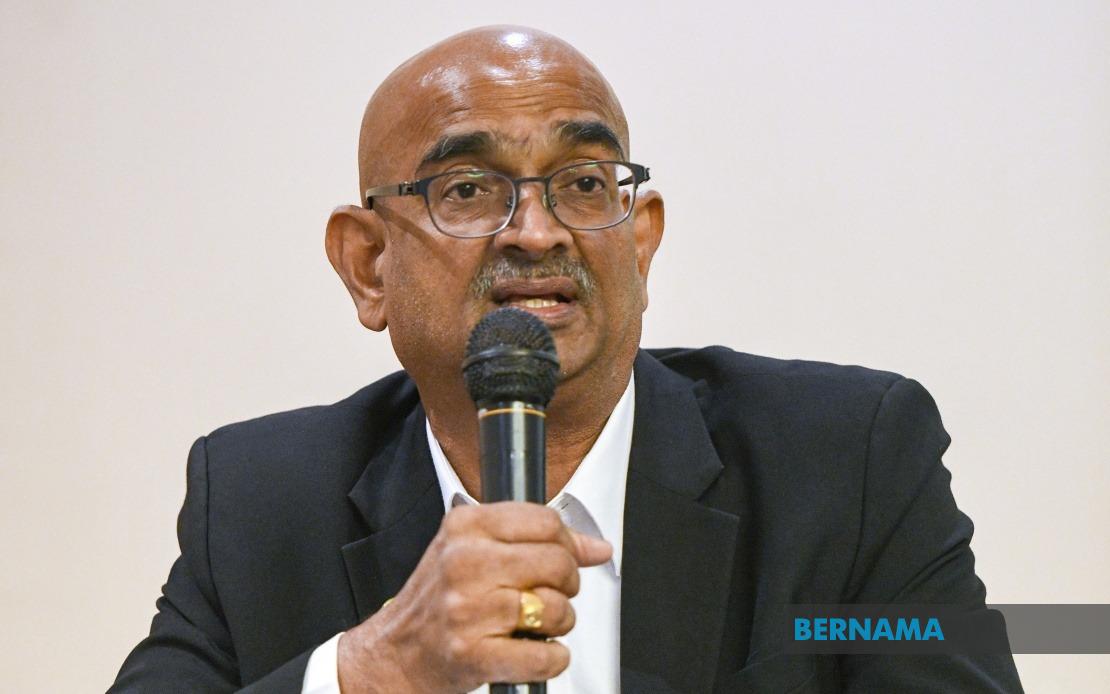
MBPP Mayor Datuk A. Rajendran outlined the council's response during a press conference at George Town's Town Hall, emphasizing that the inspection programme would be underwritten entirely by municipal funds. The initiative represents a significant investment in safeguarding the architectural heritage that defines Penang's tourism appeal and cultural identity, particularly given the district's status as a UNESCO World Heritage Site. The council recognizes that many buildings dating back centuries require professional assessment to identify risks that may not be visible to untrained observers.
The inspection campaign will prioritize properties showing visible deterioration or features that suggest structural vulnerability. Should consultants determine that a building falls below acceptable safety standards, MBPP will notify the proprietor and mandate remedial works. In cases where structural compromise proves extensive, the council is prepared to compel building occupants to relocate until repairs are completed. This graduated approach balances property rights with public safety, acknowledging that heritage building restoration often requires substantial time and investment.
An equally pressing concern identified by Rajendran is termite infestation, a particular hazard in tropical climates where wooden structural elements can be severely compromised without exterior damage becoming apparent. The council will engage pest control specialists to conduct detailed inspections of timber components within heritage structures, recognizing that termite damage represented the root cause of the Lebuh Armenian incident. This targeted focus on invisible deterioration reflects a more sophisticated understanding of heritage building maintenance than visual inspection alone can provide.
The Lebuh Armenian collapse, which harmed Mohamad Ammtar, 66, and Fatimah, 55, has been attributed definitively to termite destruction of a first-floor wooden beam. The structural failure serves as a stark reminder that heritage preservation in a humid tropical setting demands specialized knowledge and proactive intervention. The building's owner has already committed to removing the identified unsafe structural elements, suggesting a degree of owner compliance that should ease implementation of the council's broader safety programme.
To date, MBPP has issued formal notices to 66 building units with inadequate maintenance standards and 63 premises classified as dilapidated. These figures suggest that while the Lebuh Armenian collapse was dramatic and visible, a far wider inventory of properties may harbour concealed defects. The council's new inspection initiative will systematically address this broader stock of aging properties, transforming reactive crisis management into proactive risk mitigation across the heritage zone.
The timing of this announcement reflects broader municipal challenges facing Southeast Asian heritage cities where aging building stock coexists with limited government budgets and fragmented private ownership. George Town's approximately 2,000 historic structures attract international visitors and investors, yet many proprietors lack the technical expertise or financial capacity to maintain complex buildings. By positioning itself as a funding source for inspections, MBPP assumes responsibility for identifying problems while creating a legal framework for compelling remedial action.
Beyond heritage safety, Rajendran disclosed that MBPP's Automatic Number Plate Recognition (ANPR) parking enforcement system, operational since April of the previous year, has generated an average of 7,000 traffic violation notices monthly. This figure underscores the technological modernization of municipal services in George Town, with approximately 20,000 parking bays now under council supervision across the island side of Penang. Each ANPR record undergoes verification by enforcement personnel before summonses are issued, the mayor emphasized, suggesting procedural safeguards against erroneous citations.
The ANPR deployment illustrates how Malaysian municipalities are deploying surveillance and automated enforcement technologies to manage urban congestion and generate revenue. For residents and visitors navigating George Town, the system represents both an efficiency gain and a potential source of dispute, particularly if parking regulations remain inconsistently applied or inadequately signposted. The council's emphasis on verification procedures signals awareness of these concerns, though the sustained volume of citations suggests either widespread non-compliance or the effectiveness of technology in identifying violations previously undetected.
The convergence of heritage conservation and modern enforcement technology characterizes governance challenges in historic cities where preservation objectives must coexist with revenue generation and traffic management. George Town's MBPP faces the simultaneous imperative to protect aging buildings while maintaining municipal services and enforcing parking rules in an increasingly congested urban environment. The heritage building safety initiative represents a recognition that tourism-dependent cities cannot afford catastrophic structural failures that damage their architectural brand and endanger visitors.
For Malaysian heritage conservation more broadly, the George Town situation illuminates the vulnerability of aging properties across the region's historic precincts, from Malacca to Ipoh's colonial quarters. Tropical climate, termite exposure, and the challenges of retrofitting elderly structures with modern safety compliance create technical and financial obstacles that individual property owners frequently cannot overcome independently. MBPP's decision to fund professional inspections rather than merely issuing punitive notices suggests a more pragmatic approach than enforcement alone could achieve.
The council's initiative also reflects changing expectations about municipal responsibility for heritage preservation. Historically, such assessments fell to property owners or heritage conservation groups with limited resources. By positioning structural safety inspection as a council function, MBPP implicitly accepts that heritage conservation serves a public purpose that justifies public expenditure. This reframing may establish precedent for other Malaysian local authorities managing historic districts under similar resource constraints and building degradation pressures.

