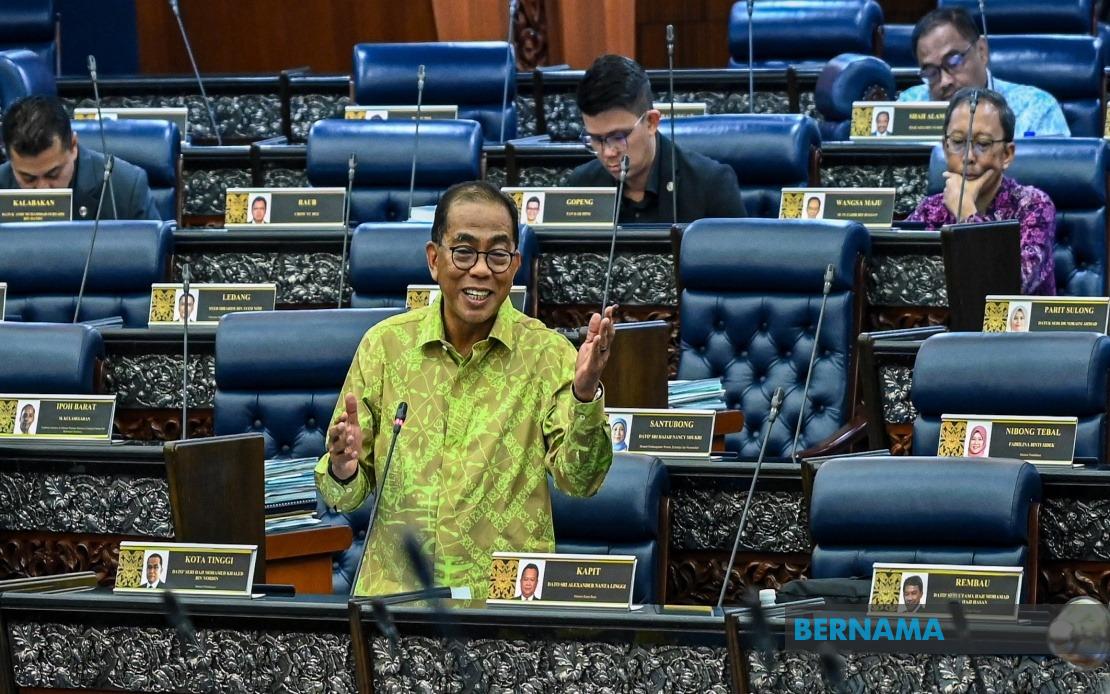
The Malaysian Defence Ministry is preparing to release a full investigation report on July 23 into a fatal grenade explosion at Hobart Camp Firing Range in Gurun, Kedah, that resulted in two deaths during a military training exercise last month. Defence Minister Datuk Seri Mohamed Khaled Nordin disclosed the timeline while addressing Parliament, emphasising that thorough examination of technical factors, operational procedures, and witness accounts must be completed before the ministry can definitively establish what caused the incident.
The tragedy occurred on June 16 during a Combat Enhancement Training exercise when a grenade detonated inside a bunker at approximately 10.57 am. Lance Corporal Siti Khadijah Sungip and Sergeant Norazmi Abu Bakar, the supervising instructor, sustained catastrophic injuries from the blast. Both personnel were evacuated to Sultan Abdul Halim Hospital in Sungai Petani but were pronounced dead upon arrival, marking a significant loss for the Malaysian Armed Forces and raising urgent questions about safety protocols during live ammunition exercises.
Following the incident, the Malaysian Army promptly established a board of inquiry that convened on June 17, the day after the explosion. This investigative body gathered evidence, conducted witness interviews, and analysed the circumstances surrounding the grenade detonation. The initial report was subsequently forwarded to the 2nd Division Headquarters and Army Western Field Command Headquarters for review. The Defence Ministry received this preliminary findings document on July 13, but upon careful examination, investigators determined that gaps remained in the investigation that required additional work.
Mohamed Khaled explained that the review process identified a necessity to recall certain witnesses for further questioning and potentially gather testimony from additional individuals who may have observed the incident or possessed relevant technical knowledge. This methodical approach reflects a commitment to ensuring that the final report provides a comprehensive understanding of what transpired, rather than rushing to conclusions with incomplete information. The extended timeline, while potentially frustrating to those seeking immediate answers, demonstrates the complexity inherent in investigating incidents involving military equipment and procedures.
The incident has prompted immediate operational changes within the armed forces. Army Chief General Tan Sri Azhan Md Othman issued orders suspending all grenade-throwing exercises service-wide, a precautionary measure designed to prevent similar occurrences while the investigation proceeds. Simultaneously, the 1st Squadron of the Royal Engineer Regiment underwent a comprehensive special inspection of all remaining grenades in their inventory, with technicians examining each device to identify any potential defects or manufacturing issues that might compromise safety.
Beyond the immediate suspension of grenade exercises, the Defence Ministry has initiated a broader safety enhancement programme aimed at preventing future tragedies during training operations. Installation of closed-circuit television cameras at firing ranges will provide visual documentation of all training activities, creating an additional layer of oversight and accountability. Body-worn cameras on instructors and participants will capture detailed footage from multiple perspectives, enhancing the ability to reconstruct incidents accurately should accidents occur.
The ministry has also introduced a new casting policy for ammunition and explosives that will establish and monitor service life for these materials. Grenades and other explosive devices degrade over time, and their performance can become unpredictable as they age. By implementing systematic tracking of manufacture dates and usage patterns, the armed forces aims to retire equipment before it reaches a point where reliability cannot be assured. This proactive inventory management represents a significant shift toward prioritising soldier safety over operational convenience.
These measures reflect growing recognition within Malaysia's military establishment that training exercises, while essential for maintaining combat readiness, must never come at the cost of preventable loss of life. The grenade explosion in Gurun represents the kind of tragedy that reverberates through military communities, affecting not only the families of the deceased but also instructors and fellow service members who witnessed the incident. The comprehensive investigation and subsequent safety initiatives signal a determination to learn from this catastrophe and implement systemic improvements.
The parliamentary question posed by Datuk Mohd Isam Mohd Isa, representing Tampin, provided the Defence Minister with an opportunity to address public concerns about safety standards within the Malaysian Armed Forces. Such parliamentary scrutiny of military operations demonstrates democratic oversight of defence matters and ensures that the armed forces remain accountable to elected representatives and, by extension, the Malaysian public. The detailed response offered by Mohamed Khaled indicates transparency regarding the investigation process and safety enhancements being pursued.
For Malaysia's military personnel, particularly those involved in live-fire and explosive handling training, the enhanced safety protocols represent tangible reassurance that their welfare is being taken seriously at the highest levels of the Defence Ministry. The combination of technological improvements, procedural modifications, and rigorous investigation practices should contribute to reducing the likelihood of similar incidents in future training operations. As the July 23 deadline approaches, the military community and broader Malaysian public will await the complete investigation findings, which are expected to provide clarity on whether the incident resulted from equipment failure, procedural error, or an unforeseen combination of factors.

