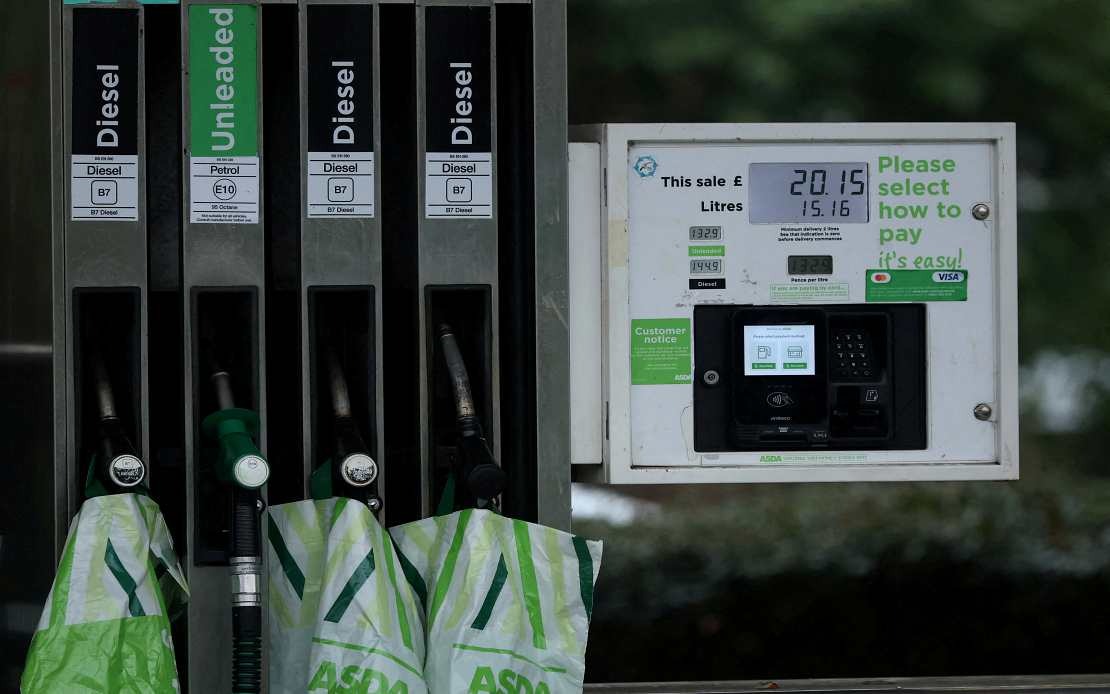
Fuel theft across Britain has reached alarming levels since the beginning of the Iran oil crisis in February, with security data revealing that drivers are now stealing an average of nearly £194,000 worth of petrol and diesel each day from the country's 8,359 petrol pumps. The sharp increase underscores how energy market volatility and rising living costs are driving ordinary motorists toward criminal behaviour, marking a concerning social shift in attitudes toward payment obligations at forecourts.
Analysis by Forecourt Eye, a fuel theft prevention company, reveals that recorded theft incidents jumped by 20 per cent during the five months immediately following the conflict's outbreak on February 28, compared with the preceding five months. What makes this figure particularly striking is that the monetary value of stolen fuel climbed even more steeply, rising 48 per cent over the same period. This discrepancy reflects how sharply fuel prices have risen since the geopolitical tensions began affecting global oil supplies and market sentiment.
The price movements have been dramatic. Petrol prices reached 160 pence per litre by early August, representing an increase of approximately 27 pence compared with pre-conflict levels and marking the highest cost seen in three and a half years. Diesel has experienced an even steeper climb, now sitting around 179 pence per litre, approximately 37 pence higher than before February's events. These figures highlight how vulnerable Britain's fuel market remains to external shocks, particularly those affecting Middle Eastern oil production and exports.
The research, drawn from a representative sample of 550 petrol stations, captures two distinct categories of fuel theft. Drive-offs involve motorists who make no attempt whatsoever to pay, while no-means-of-payment incidents occur when customers fill their tanks and subsequently claim they have no way to settle the bill. The distinction matters, as it reveals different motivations and levels of premeditation among those committing these offences.
First-time offenders appear to represent a growing proportion of the problem. Their incidents increased by 23 per cent while the actual volume of fuel stolen by this group rose by 26 per cent. By contrast, repeat offenders showed more modest increases of 17 and 20 per cent respectively. This pattern suggests that rising costs are pushing individuals with no prior criminal history toward theft, rather than the problem being confined to habitual criminals.
Industry representatives have characterised the situation as increasingly organised and sophisticated. Michelle Henchoz, managing director of Forecourt Eye, emphasised that petrol station operators now require integrated technological solutions to combat evolving threats across both their fuel and convenience store operations. The company has partnered with Facewatch, a crime reporting platform, to provide free access to technology that simplifies recording and reporting of thefts, shop crime, and other illegal activities at forecourts.
The Facewatch arrangement includes an optional live facial recognition network designed to alert petrol station staff and operators when known offenders arrive on their premises. Such technology represents a significant escalation in security infrastructure, indicating the depth of concern within the industry about the trajectory of fuel theft and associated criminality.
Gordon Balmer, executive director of the Petrol Retailers Association representing independent petrol stations, highlighted a troubling secondary effect of the crisis: increasing levels of verbal abuse and aggressive behaviour directed toward forecourt staff. These workers, often young and casual employees, bear the brunt of customer frustration despite having absolutely no control over the prices displayed on pumps. This dynamic has created a hostile environment at many forecourts, with staff essentially serving as targets for public anger about energy costs.
Ben Lawrence, director of Lawrences Garages, which operates five petrol stations across Norfolk and Hampshire, provided crucial insight into the changing nature of fuel theft. Historically, such crimes were predominantly committed by individuals involved in broader criminal activity, but the current cost-of-living pressures have democratised the problem. Lawrence pointed to a critical misconception among some drivers: the belief that branded forecourts operated under BP or Shell signage are owned and operated by those oil majors rather than independent small businesses. This misunderstanding leads some motorists to rationalise their theft, believing they are stealing from wealthy multinational corporations rather than local business owners.
The financial impact on independent operators is substantial and direct. When a driver takes £80 to £90 worth of fuel without payment, that loss strikes the small business owner running the forecourt, not the international energy companies. For independent petrol stations operating on typically narrow margins, such thefts represent a serious threat to viability. Accumulated daily theft losses significantly impact cash flow and profitability, particularly when multiplied across multiple locations.
The situation carries implications extending beyond Britain's borders. Rising fuel costs and energy market volatility affect economies across Europe and Asia-Pacific, including Malaysia and other Southeast Asian nations. The British experience demonstrates how sudden price spikes can trigger unexpected social responses and shift public attitudes toward payment obligations, even among previously law-abiding citizens. For Malaysian policymakers and retailers, the developments serve as a cautionary example of how energy market shocks can have cascading effects on consumer behaviour and retail security.
As Britain grapples with the interconnected challenges of geopolitical conflict, energy supply constraints, and deteriorating consumer circumstances, the fuel theft crisis illustrates how modern crises penetrate deep into everyday economic life. The response from industry—combining technology, better reporting systems, and improved incident management—suggests recognition that this problem requires coordinated action rather than isolated station-level responses. Whether such measures will prove sufficient to reverse the trend remains uncertain, particularly if fuel prices remain elevated or continue climbing.

