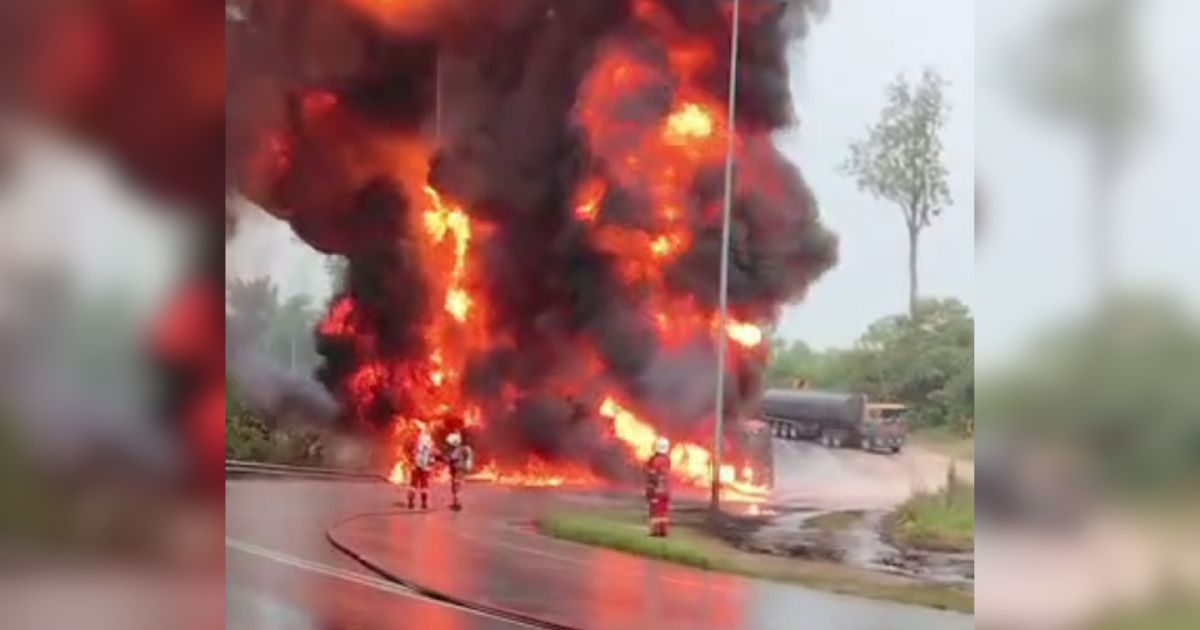
A fuel tanker operator involved in a deadly highway collision in Temerloh that claimed two lives has been placed in police custody as investigators work to establish the precise sequence of events. The tragic incident, which occurred on the Temerloh-Triang thoroughfare at Km9 near Kampung Lebak, resulted in the deaths of a mother and her son. The driver of the heavy-duty tanker vehicle has been remanded in custody for a four-day period to support the ongoing investigation.
The crash represents another tragic reminder of the hazards inherent in Malaysia's highway system, where collisions involving large commercial vehicles have repeatedly resulted in fatalities over recent years. Heavy-duty vehicles such as fuel tankers, when involved in accidents, can produce catastrophic outcomes due to their size, weight, and the nature of their cargo. The Temerloh-Triang corridor, which forms part of Pahang's vital transportation network, has been the site of numerous traffic incidents.
Police have initiated a comprehensive investigation into the circumstances surrounding the collision. The four-day remand period will allow investigating officers to conduct detailed questioning of the driver, examine forensic evidence from the scene, and gather testimony from witnesses who may have observed the accident or its immediate aftermath. The inquiry will likely examine factors such as vehicle speed, road conditions, weather conditions at the time, potential mechanical failures, driver fatigue, and whether any other vehicles were involved in the incident.
The loss of both a parent and child in a single incident has sent shockwaves through the local community in Temerloh. Family members and residents in the affected area are grappling with the sudden and tragic nature of the deaths. Such incidents invariably raise difficult questions about road safety measures and whether existing protocols are sufficient to prevent similar tragedies from occurring.
Highway authorities and transport safety officials across Malaysia have consistently highlighted concerns about driver fatigue among operators of commercial vehicles, particularly those engaged in long-distance transport of hazardous materials such as fuel. The demanding nature of tanker operations, combined with pressure to meet delivery schedules, can place drivers in situations where their alertness and reaction times are compromised. Training standards, rest period compliance, and vehicle maintenance records will likely form part of the investigative focus.
The Temerloh-Triang route carries substantial commercial traffic daily, as it forms a key link in Pahang's road infrastructure. Collisions on this corridor can have ripple effects on transportation throughout the region, disrupting supply chains and affecting commuter travel patterns. Highway authorities often implement temporary diversions and safety measures following significant incidents to prevent secondary accidents in the immediate area.
For Malaysian road users, incidents of this nature underscore the importance of defensive driving practices and heightened awareness, particularly around large commercial vehicles. Transport experts consistently recommend maintaining safe following distances behind tanker vehicles and being cautious when passing them on highways. The blind spots associated with large vehicles, their extended braking distances, and the unpredictability of their movement under certain conditions all pose genuine risks to other road users.
The investigation will also likely examine the tanker operator's maintenance records and safety protocols. Commercial vehicle operators are required to maintain detailed logs of vehicle inspections, driver hours, and maintenance activities. These records become crucial in determining whether mechanical failure played any role in the accident. Investigators will be particularly interested in brake system integrity, tire conditions, and whether the vehicle had passed its most recent safety inspection.
Regulatory bodies governing commercial transport in Malaysia have periodically raised the alert about inadequate compliance with rest period requirements among drivers of heavy vehicles. The cumulative effect of inadequate sleep, long driving hours without proper breaks, and the physical demands of operating large vehicles can significantly impair driver performance. The four-day remand period should yield important information about the circumstances immediately preceding the collision, including whether the driver had observed proper rest protocols in the days leading up to the incident.
The tragedy adds to a growing body of evidence suggesting that Malaysia's highway safety remains an area requiring sustained attention and investment. Beyond individual enforcement actions, the broader issues of road infrastructure design, speed regulation in high-risk areas, driver training standards, and vehicle safety features all warrant ongoing examination. The Temerloh-Triang corridor may become the focus of enhanced safety measures as authorities respond to this incident.
Beyond the immediate investigation, this incident will likely prompt discussions within transport industry circles and among safety advocates about whether current regulations adequately protect vulnerable road users. The deaths of a mother and son in a single collision represent the kind of human tragedy that often catalyzes calls for stronger enforcement of existing regulations and, in some cases, for new legislative measures aimed at preventing similar incidents.
As the investigation progresses over the coming days, details about the precise circumstances of the collision should emerge. Police have indicated they will release further information as their inquiry develops. Meanwhile, the highway corridor remains a focus of official attention, with authorities likely implementing enhanced safety measures and monitoring to ensure that secondary incidents do not occur as traffic patterns adjust to accommodate the incident aftermath.

