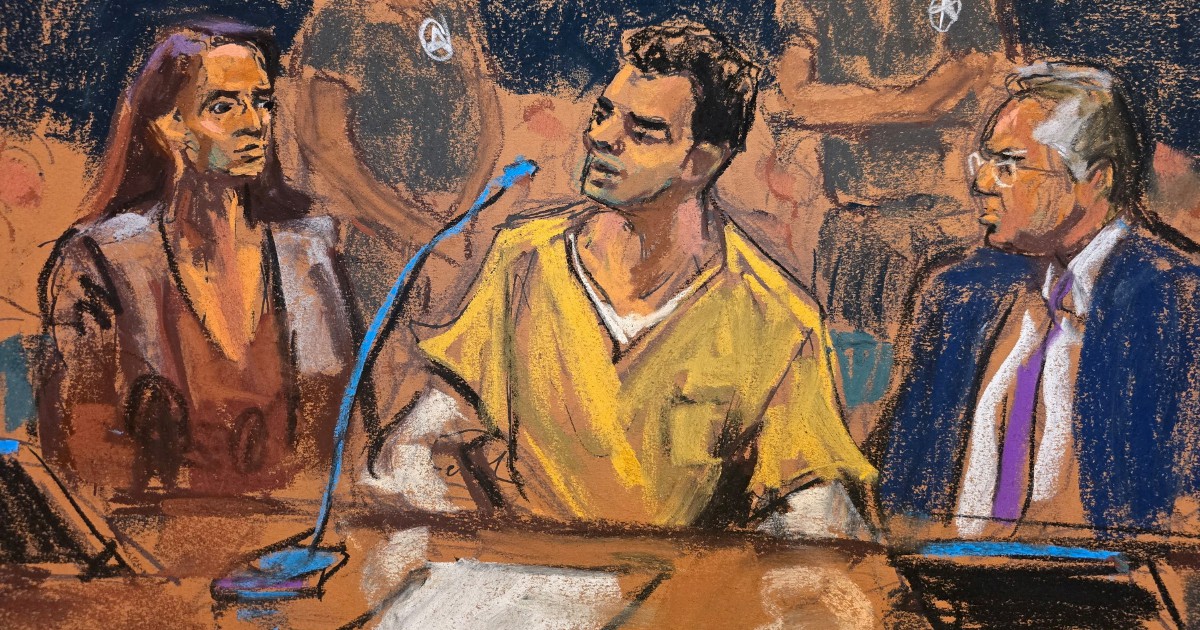
Luigi Mangione's transformation from what those around him described as an unremarkable individual into someone accused of a high-profile killing has shocked observers tracking the case in America's fractious healthcare debate. The defendant, who has admitted to the shooting death of health insurance executive Brian Thompson in New York, seized a significant courtroom moment to air grievances that extend far beyond personal grievance, framing his alleged act as a protest against what he characterises as a dysfunctional American health insurance apparatus.
Mangione's courtroom statements reveal a narrative centred on physical suffering stemming from a back injury that he claims triggered a cascade of insurance denials and bureaucratic obstacles. This account speaks to a particular vulnerability within the American healthcare system that resonates across demographic lines and has become increasingly politicised. Back injuries, particularly those requiring ongoing treatment and specialist care, frequently trigger extended disputes between patients and insurance companies over coverage decisions. These conflicts can stretch across months or years, exhausting both financial resources and emotional reserves while medical conditions potentially worsen without adequate treatment.
The accused shooter's framing of his actions as motivated by systemic concerns rather than isolated personal revenge introduces a concerning dimension to how violent crime intersects with legitimate public anger over healthcare accessibility. His assertion that the shooting was intended to catalyse broader improvements to healthcare delivery mechanisms represents an extraordinary claim that authorities and prosecutors will likely scrutinise intensely. Whether courts will permit extensive exploration of American healthcare system failures as context during trial proceedings remains uncertain, as such arguments typically fall outside conventional criminal defence parameters.
Mangione's case arrives at a moment when American public discourse regarding health insurance companies has grown notably bitter. Survey data consistently demonstrates that substantial majorities of Americans harbour significant distrust toward major insurers, citing excessive premiums, arbitrary coverage denials, and bureaucratic complexity as primary grievances. The shooting of Thompson, chief executive of United Healthcare subsidiary UnitedHealthcare, occurred against this backdrop of simmering public resentment, generating unusual social media commentary that in some quarters expressed sympathy toward the alleged perpetrator—a phenomenon that has alarmed law enforcement and public health observers.
Forensic and investigative details surrounding Mangione's background paint a portrait of someone whose descent from apparent stability into alleged violent extremism may have involved multiple contributing factors beyond documented pain conditions. Reports indicate he came from a well-established family with professional accomplishments across multiple generations, suggesting access to educational and economic advantages unavailable to most Americans navigating healthcare system complexities. This disparity raises questions about how someone with relative privilege might have experienced healthcare obstacles so acutely as to allegedly motivate homicidal action, potentially indicating either extraordinarily severe underlying conditions or a particular psychological susceptibility to perceived injustices.
The insurance industry itself has faced mounting political pressure regarding its operational practices, particularly around coverage denial procedures that critics characterise as deliberately obstructive. Cases involving individuals denied coverage for treatments their physicians recommended have become prominent elements in broader healthcare reform discussions, featuring regularly in legislative hearings and advocacy campaigns. These documented systemic issues have contributed to a broader cultural perception that insurance companies actively prioritise corporate profitability over patient wellbeing, a belief that Mangione appears to have internalised with particular intensity.
For Malaysian and Southeast Asian observers, Mangione's case underscores consequences that can emerge when healthcare systems prioritise corporate structures over universal access principles. Malaysia's combination of public healthcare provision alongside regulated private insurance alternatives reflects different philosophical foundations than America's predominantly private, market-driven approach. The contrast illuminates why countries maintaining stronger public healthcare components typically experience lower levels of insurance-related grievance and associated desperation. The case serves as a cautionary example of how inequality in healthcare access and outcomes can generate not merely policy debates but dangerous social instability.
Mangione's courtroom appearance functioned partly as a platform for articulating critiques of American healthcare capitalism that extend beyond his personal circumstances. His invocation of systemic failure rather than exclusively personal hardship suggests he may view his alleged actions as inherently political—a violent gesture intended to draw attention to institutional problems affecting millions. This positioning complicates straightforward criminal prosecution narratives and introduces questions about whether courts should consider systemic healthcare injustices when evaluating motivation, culpability, or appropriate sentencing frameworks.
The case simultaneously reveals concerning possibilities regarding how individuals experiencing legitimate healthcare system failures might be susceptible to radicalisation toward violence. The combination of chronic pain, documented insurance denials, and access to increasingly sophisticated information ecosystems discussing healthcare system problems potentially creates conditions where some individuals might conclude that violent action constitutes justified protest. Mental health professionals and security analysts will likely examine whether Mangione's psychological vulnerabilities intersected dangerously with genuine healthcare grievances to produce alleged violent extremism.
Prosecutors will contend that regardless of healthcare system problems, shooting an executive constitutes impermissible vigilantism incompatible with rule of law principles. However, the unusual public reaction to Thompson's death—characterised by social media commentary expressing anger toward the insurance industry rather than solidarity with the victim—indicates how deeply Americans have internalised negative perceptions of health insurance institutions. This environment creates distinct prosecutorial challenges in securing convictions based partly on establishing the victim's personal deservingness of sympathy.
Mangione's trajectory from apparent normalcy toward accused killer ultimately illuminates how systemic failures in healthcare access and insurance practices can intersect with individual psychological vulnerabilities to produce violence. Whether courts will permit extensive exploration of these systemic dimensions remains unclear, but the case has already succeeded in focusing national attention on healthcare system criticisms that American policymakers have struggled to address through conventional legislative channels. For healthcare systems globally, Mangione's case provides urgent reminder of consequences emerging when institutional failures generate sufficient desperation and alienation.

