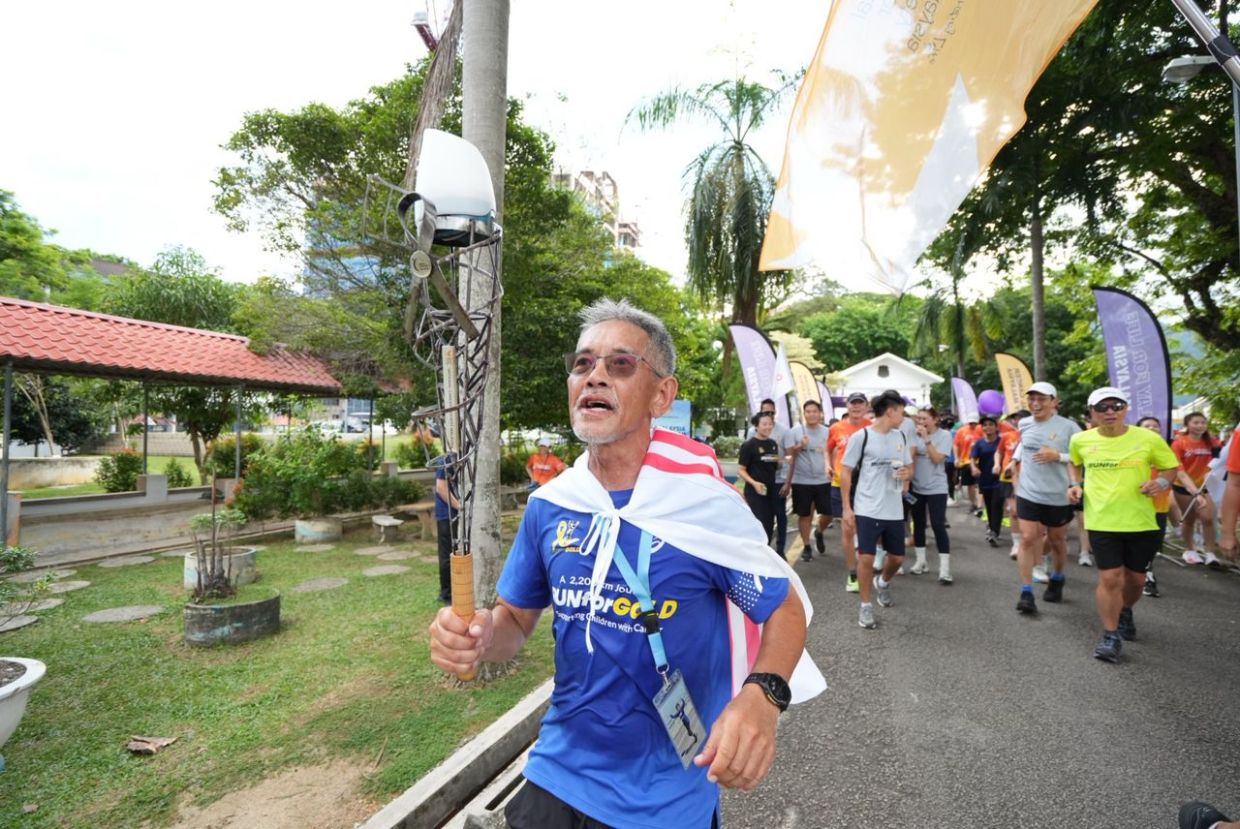
Retirement often signals a season of rest and reflection, but for SG Lim, the 66-year-old retired civil engineer from Penang, it became a catalyst for transformative action. Following the death of his wife, Goh Joo Lee, from cancer in 2024 at age 63, Lim faced the difficult task of reimagining life without the person who had been his companion for decades. Rather than retreat into solitude, he began a period of deliberate wandering—spending stretches of time in Australia with his two children, returning to Malaysia to reconnect with his mother and siblings, and carving out moments of solitude in Hong Kong. This geographical and emotional drifting eventually led him to a deeper question about how he might transform his profound grief into something meaningful.
When describing his late wife, Lim settles on two qualities that seem to encompass her entire character: loving and caring. She possessed an expansive compassion that extended far beyond her immediate family, touching even the lives of strangers she encountered in her final days. One memory stands out vividly—while hospitalised and battling her own illness, Goh demonstrated remarkable generosity towards a woman in the ward opposite hers who had been fighting cancer for over a year. Despite her own suffering, she asked Lim to purchase flowers for this stranger, finding joy in witnessing the happiness this simple gesture brought to both the woman and her devoted husband. This act of kindness, performed at such great personal cost, reveals the depth of character that now drives Lim's mission.
Beyond her compassion, Lim cherishes memories of his wife's creative spirit. Goh was an accomplished artist who loved to draw, paint, and create, sharing her work through social media pop-ups that continue to serve as poignant reminders of her artistic talent. These recollections of her multifaceted nature—her warmth, her generosity, her creativity—became the emotional foundation upon which Lim would build his next chapter. The process of grieving gradually opened a new perspective on purpose and meaning, one that would culminate in an audacious physical and emotional journey.
The turning point came when Lim encountered a book by Laurence Carter that inspired him to consider an unconventional response to his loss. After reading it, he conceived of running or walking across Peninsular Malaysia as a way to honour his wife while contributing to a cause close to their hearts. He even reached out to Carter directly for guidance on undertaking such an ambitious endeavour. This idea gained institutional support when the National Cancer Society Malaysia (NCSM) partnered with Lim to launch "Run For Gold," an initiative designed to raise both awareness and funds for children battling cancer. The naming proved symbolic—transforming personal tragedy into resources that might save young lives resonated deeply with Lim's desire to ensure his wife's memory would generate tangible benefit.
Preparing for such a monumental physical undertaking required meticulous planning and discipline. After completing the Sydney Marathon in August, Lim systematically increased his running mileage while simultaneously adapting his body to Malaysian conditions. He conditioned himself to rise at 5am for early starts, deliberately ran during late morning heat to build tolerance, attended strength training sessions, and even taught himself video editing to document his journey on social media. This methodical preparation reflected not merely athletic ambition but a deeper commitment to seeing the mission through—every training decision was an act of dedication to the children he hoped to help.
The reality of his purpose crystallised during his first visit to a children's oncology ward arranged by NCSM. Witnessing frail children and the helplessness etched into their parents' faces confronted Lim with the profound weight of the challenge he had undertaken. In that moment, surrounded by families navigating unimaginable circumstances, he recognised that his effort was justified—this was indeed the right path, a way to contribute to saving young lives and alleviating the suffering of both children and their parents. The emotional encounter transformed his run from a personal memorial into a focused campaign for a vulnerable population.
As Lim traversed the country's diverse landscape over nearly three months and 2,200 kilometres, he encountered individuals whose own gestures of support reinforced his commitment. In Pekan, Pahang, he met a retired teacher and his wife whose story exemplified grassroots compassion. Though financially unable to contribute significantly, the couple chose to accompany Lim through multiple stages of his journey—running alongside him while the wife provided logistical support. They became his ambassadors, stopping at eateries and marketplaces to educate locals about the cause. The couple's obvious affection for one another and their dedication to a stranger's mission proved both inspiring and bittersweet for Lim, reminding him acutely of the partnership he had lost.
The couple's support extended across several states, joining Lim through Johor, Melaka, and ultimately Penang for the final stretch homeward. Their presence exemplified how grief channelled into purposeful action can inspire others to contribute their own effort and compassion. What began as one man's personal journey gradually accumulated the energy and involvement of communities along the route. Teachers, business owners, residents, and fellow runners became part of a collective endeavour, each person adding their own layer of meaning to the 2,200-kilometre narrative.
When Lim crossed the finish line in George Town, Penang, after nearly three months on the road, his immediate thought was not of his personal achievement but of his late wife. "Darling, we made it," he spoke aloud, acknowledging that this milestone belonged as much to her as to him. Though physically and emotionally exhausted from completing the final 80-kilometre stretch, Lim found himself overwhelmed by the community that had gathered to welcome him home. Family members, childhood friends, former classmates, and total strangers lined the route, their presence testament to how a journey initiated by personal loss had rippled outward to touch countless lives.
Lim's run represents more than athletic endurance or fundraising achievement. It demonstrates how grief, when channelled constructively, can become a force that strengthens community bonds and directs resources toward vulnerable populations. For Malaysian readers, particularly those navigating their own losses, his story offers a template for transforming suffering into service. The children with cancer who benefit from funds raised through Run For Gold gain not only financial support but evidence that their struggle matters to strangers across the country. Meanwhile, communities throughout Peninsular Malaysia discovered that compassion is contagious—witnessing one person's dedication inspired others to contribute their own time, effort, and care to the cause.
The broader implications extend to how Malaysian society approaches both grief and charitable action. Rather than treating these as separate domains, Lim's example suggests they can be integrated into a single, purposeful narrative. His journey also highlights the role that individual initiative plays in complementing institutional efforts. The National Cancer Society Malaysia provided structure and credibility, but Lim's personal investment—his physical effort, emotional vulnerability, and months of personal sacrifice—generated the authentic human connection that truly moves communities. As Malaysia continues grappling with rising cancer rates and the need for comprehensive support systems for affected families, stories like Lim's underscore the importance of both institutional resources and individual champions willing to bear witness to suffering and act accordingly.

