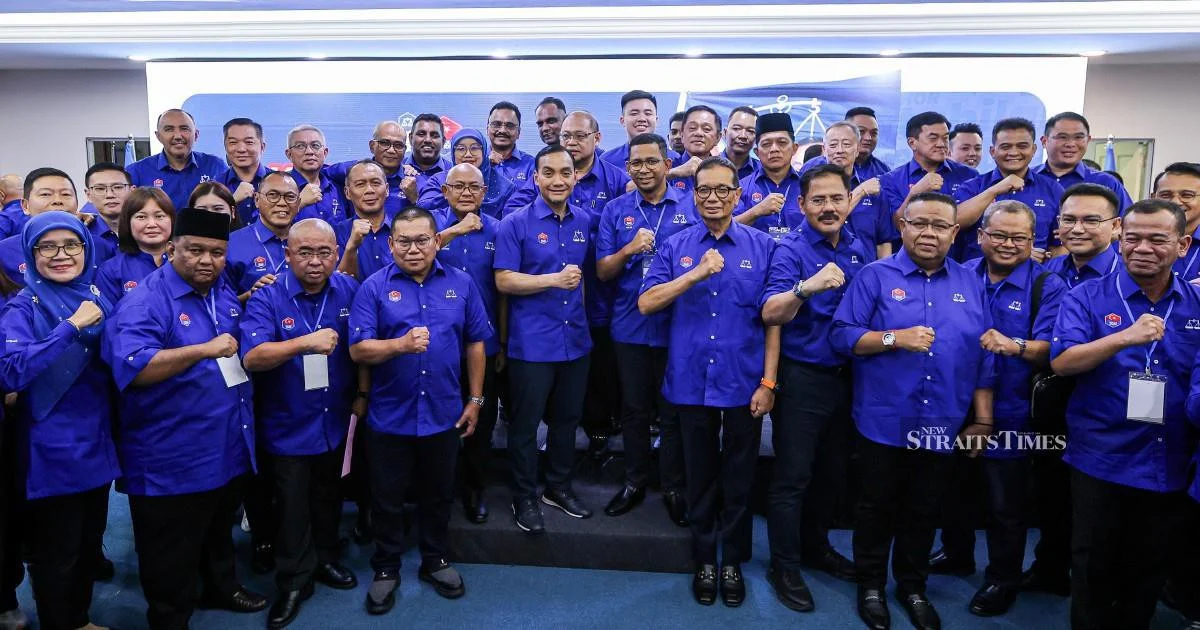
As Johor prepares for its 16th state assembly election on July 11, recently selected candidates from the component parties of Barisan Nasional have publicly reaffirmed their determination to secure an emphatic victory for the coalition in the southern state. These newcomers to the electoral arena represent a calculated refresh of BN's political machinery in what remains Malaysia's most consistently reliable stronghold for the historic governing coalition.
The introduction of fresh faces to Johor's political contest reflects broader strategic thinking within Barisan Nasional about generational renewal and the need to energise voter engagement across constituencies. By fielding candidates who bring new perspectives and local credibility, the coalition seeks to counter narratives about political fatigue while maintaining the institutional advantages it has accumulated over decades of dominance in the state. This approach balances respect for established party hierarchies with recognition that the political landscape demands candidates capable of resonating with voters across age demographics and socioeconomic backgrounds.
Johor's significance to Malaysian politics cannot be overstated. The state has served as a political laboratory for BN strategies and a crucial revenue generator for federal coffers through its commercial and industrial activity. Any significant shift in the state's political balance would reverberate through national politics, affecting coalition calculations at the federal level and potentially influencing the trajectory of Malaysian politics more broadly. The coalition's performance in Johor will likely be interpreted as a barometer of voter sentiment regarding BN's broader policy agenda and leadership quality.
The commitment expressed by these new candidates extends beyond mere campaign rhetoric. Many appear to have been selected specifically because they possess demonstrated connections to their constituencies, whether through business networks, professional accomplishments, or community involvement. This selection methodology suggests that BN component parties have moved beyond purely patronage-driven candidate placement, at least in Johor, recognising that contemporary voters increasingly scrutinise candidates' qualifications and local standing.
The timing of this electoral contest places additional weight on BN's performance. Coming after the 2022 federal election results that substantially weakened the coalition at the national level, a strong showing in Johor would provide psychological and political momentum for strengthening BN's negotiating position in any future federal political arrangements. Conversely, any softening of BN's traditional dominance in Johor would signal deeper structural challenges that extend beyond state-level concerns.
Johor's electorate has demonstrated remarkable stability in supporting BN across multiple electoral cycles, making the state something of an anomaly within Malaysia's increasingly competitive political environment. This stability, however, cannot be taken for granted indefinitely. Demographic changes, urbanisation patterns, and shifting voter priorities mean that even traditionally safe constituencies require active political engagement and responsive governance to maintain electoral loyalty. The new candidates will need to demonstrate not merely their personal ambition but genuine commitment to addressing constituent concerns ranging from cost-of-living pressures to education quality and infrastructure development.
The composition of BN's candidate slate in Johor also reflects the coalition's internal dynamics and the relative influence of its component parties. The United Malays National Organisation, as the dominant party within BN, typically secures the majority of winnable seats, while the Malaysian Chinese Association and other coalition partners receive negotiated allocations. How these new candidates navigate intra-coalition relationships and represent their respective parties' priorities will shape not only the election outcome but also BN's internal cohesion beyond the campaign period.
For Malaysian voters in Johor, these elections present an opportunity to influence state governance priorities and hold elected representatives accountable for their performance in office. Despite BN's historical dominance, elected representatives across all parties remain nominally accountable to their constituents and theoretically subject to electoral consequences for poor governance or neglected constituencies. The vigour with which new BN candidates campaign will partly determine whether they succeed in motivating their support base to translate preference into votes on election day.
The broader Malaysian context adds another dimension to Johor's election significance. The country has experienced considerable political volatility over the past five years, with coalition configurations shifting and voter behaviour becoming less predictable than historical patterns suggested. BN's efforts to revitalise its political brand through fresh candidates in Johor should be understood within this context of systemic political flux and the coalition's broader struggle to maintain relevance and political predominance.
Observers across Southeast Asia will likely view Johor's election results as indicative of Malaysia's political direction and the durability of established political institutions in the face of modernisation and generational change. A decisive BN victory would suggest that institutional stability and coalition politics retain considerable appeal among Malaysian voters. A closer contest or unexpected result would signal that even Malaysia's most reliable political territories are susceptible to disruption, with implications for how analysts assess political stability across the region.
The stakes for these new candidates themselves are equally significant. Those elected will join the Johor state assembly at a time when state governments across Malaysia are grappling with fiscal constraints, infrastructure demands, and public expectations for responsive governance. Their legislative performance and constituent service over the coming five years will shape both their personal political futures and their parties' capacity to defend these seats in subsequent elections.

