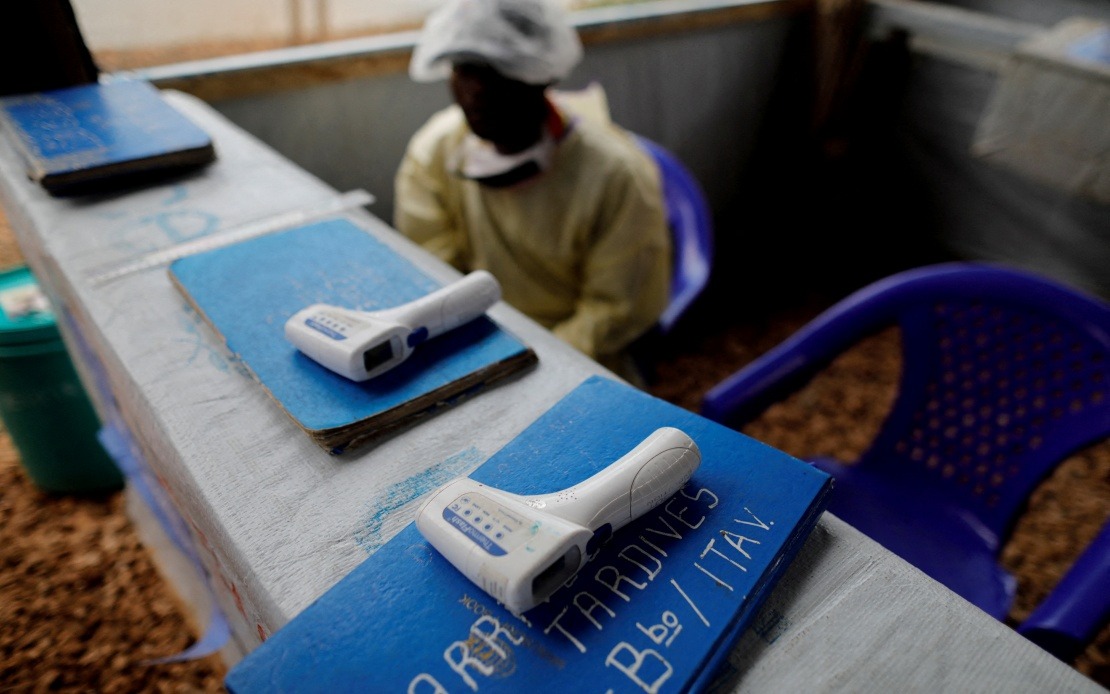
France has recorded its first confirmed case of Ebola virus disease, but the patient has made a complete recovery and returned home, Health Minister Stéphanie Rist confirmed on July 5. The individual, a medical professional engaged in humanitarian work, contracted the virus while operating in the Democratic Republic of the Congo, where a severe outbreak continues to ravage communities. The successful treatment and discharge represent a positive development in the handling of what remains a serious public health threat in Central Africa.
The patient arrived in France on June 23 after concluding humanitarian medical work in the Democratic Republic of the Congo. Rather than deteriorating into severe illness as Ebola often does, the individual's condition remained manageable throughout hospitalisation. The medical team's prompt identification, isolation, and care protocols ensured the infection did not progress to critical stages, allowing for discharge and home recovery within days of diagnosis.
The Democratic Republic of the Congo has been grappling with a substantial Ebola outbreak since mid-May. Current government tallies indicate 438 deaths have occurred among 1,502 confirmed cases, representing a mortality rate of approximately 29 per cent. This outbreak ranks among the significant Ebola epidemics affecting the region, though it remains contained within the Democratic Republic compared to the 2014–2016 West African crisis that claimed over 11,000 lives across multiple countries.
The emergence of Ebola in France, while alarming on the surface, underscores how modern disease surveillance and medical response systems can manage even highly infectious pathogens when early detection occurs. Healthcare workers returning from affected regions face inherent occupational risks, yet their continued deployment in humanitarian capacities remains essential for controlling outbreaks at source. France's healthcare infrastructure, diagnostic capabilities, and isolation facilities proved adequate to prevent secondary transmission and ensure recovery.
For Malaysia and the broader Southeast Asian region, this case illustrates the reality of a globalised world where infectious diseases can traverse continents within hours of infection. Malaysian healthcare providers and those from other ASEAN nations working in humanitarian capacities across Africa face similar risks. The successful French outcome demonstrates that proper training, equipment, and protocols can mitigate severe outcomes, a reassuring message for healthcare systems across the region preparing for imported cases.
The Democratic Republic of the Congo's ongoing outbreak demands sustained international attention and resources. The country's healthcare infrastructure, weakened by years of conflict and underfunding, struggles to contain transmission despite heroic efforts by local and international health workers. The persistence of the virus in a population of nearly 100 million people represents a continuing risk for exportation beyond Central Africa's borders, particularly given trade and travel connections to Asia and other continents.
France's experience suggests that wealthy nations with advanced healthcare systems can manage imported cases effectively. However, the real concern lies in countries with limited diagnostic capacity, fewer isolation facilities, and weaker disease surveillance networks. Should Ebola reach nations with infrastructure challenges similar to those in parts of Southeast Asia, outcomes could differ significantly from France's controlled scenario. This reality necessitates robust regional preparedness measures across ASEAN, including training for healthcare workers, stockpiling of protective equipment, and coordination mechanisms for rapid response.
The French patient's recovery also highlights the variable nature of Ebola's clinical presentation. Not all infected individuals develop fulminant disease, and with appropriate supportive care—hydration, electrolyte management, and treatment of secondary infections—survival is possible. The patient's humanitarian background suggests dedication to disease control efforts; such individuals often possess elevated health literacy and access to care compared to populations in affected areas, factors that may have contributed to the positive outcome.
International cooperation remains fundamental to controlling Ebola at its source. Efforts to strengthen disease surveillance in the Democratic Republic of the Congo, support contact tracing, and provide safe burial practices continue, though funding gaps and insecurity complicate these endeavours. The World Health Organisation and multilateral partnerships remain engaged, yet political instability and armed conflict in certain regions of the Congo impede comprehensive outbreak response.
For Malaysia's health authorities and those across Southeast Asia, the French case provides both reassurance and a reminder of preparedness requirements. Systematic protocols for screening returning healthcare workers, maintaining isolation facilities, and ensuring rapid laboratory confirmation must remain in place. Additionally, supporting capacity building in outbreak-affected nations ultimately serves self-interest by preventing larger international spread.
The discharge of France's first Ebola patient represents a clinical success story that, while welcome, should not obscure the broader crisis unfolding in Central Africa. Hundreds remain infected and dozens continue to die weekly in the Democratic Republic of the Congo. Sustained international commitment to ending this outbreak, combined with investments in healthcare infrastructure across the region, remains essential for preventing future exportation and protecting global health security.

