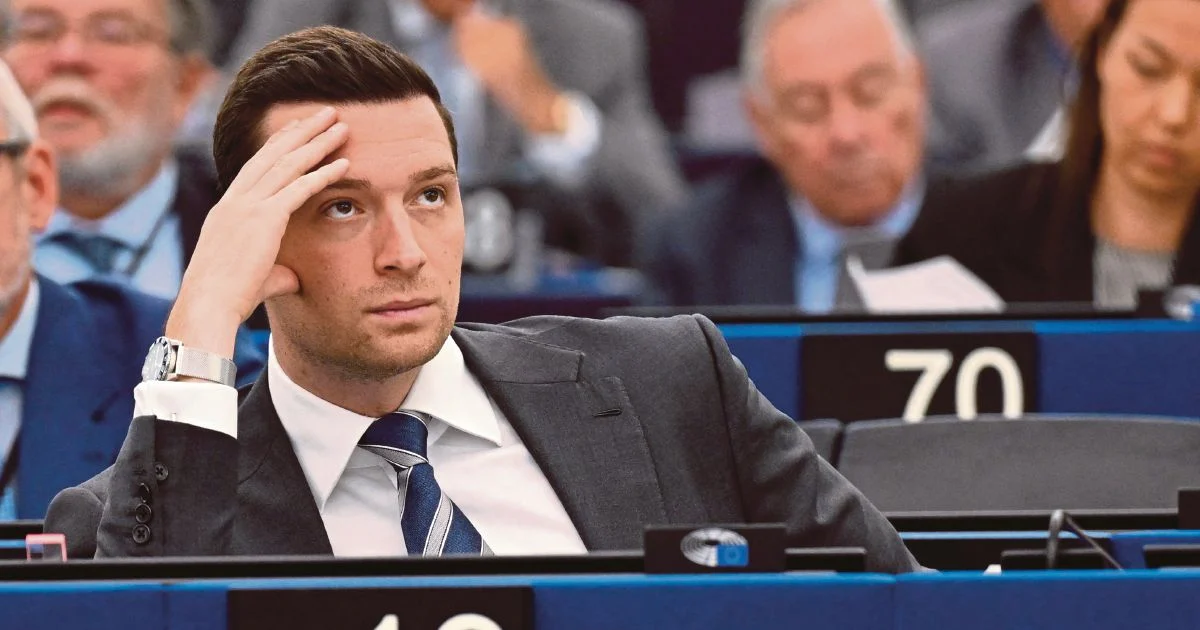
France's political landscape faces fresh turbulence as a prominent anti-corruption watchdog initiated procedures to examine accusations that Jordan Bardella, a leading figure in the far-right National Rally party, held a non-existent position on the European Parliament payroll. The watchdog's decision, announced on Tuesday, has deepened questions about governance practices within French political circles at a moment when Bardella positions himself as a potential contender for the presidency.
The inquiry hinges on allegations that Bardella occupied a fictitious assistant role within the European Parliament system, a structure typically intended to support legitimate legislative and administrative functions. Such positions ordinarily command substantial salaries funded by European taxpayers, making the claim especially sensitive given ongoing debates across the European Union about fiscal accountability and the management of public funds. The investigation represents a significant moment for French institutional scrutiny, as the country grapples with public expectations regarding ethical conduct among senior political figures.
Bardella's National Rally party has categorically rejected these claims, characterising the allegations as baseless and part of broader political manoeuvering aimed at undermining their leader's standing. Party representatives have indicated they possess documentation supporting the legitimacy of any arrangement in question, though specific details have not yet surfaced in public discourse. This denial reflects the party's broader defensive posture, particularly as internal critics within French politics frequently target the National Rally's institutional integrity.
The timing of the investigation carries particular significance within the French political calendar. Bardella's prominence within the National Rally leadership, coupled with the party's growing electoral muscle demonstrated in recent parliamentary contests, has intensified media and institutional attention toward his background and professional record. The allegations, should they prove substantiated, would represent a considerable embarrassment for a political movement that has sought to rebrand itself as a respectable governing force rather than a fringe movement.
European Parliament employment arrangements have attracted broader scrutiny across member states in recent years. The system permits MEPs to hire assistants ostensibly dedicated to supporting constituency work, policy research, and administrative functions, though verification mechanisms for actual work performed have historically remained inconsistent. This structural ambiguity has previously generated controversy involving politicians from across the ideological spectrum, creating a precedent of prosecutions and investigations wherever employment arrangements departed from stated purposes.
For Malaysian observers of European affairs, this episode illustrates the institutional resilience of checks and balances within European democracies, even when examining prominent political personalities. Unlike certain governance contexts where such investigations might languish bureaucratically, French and European mechanisms demonstrate capacity for sustained inquiry into allegations involving high-profile figures. This reflects broader European commitments to institutional accountability that extend across the bloc, irrespective of partisan alignments.
The investigation's trajectory will likely occupy considerable French media attention throughout coming months, potentially influencing broader perceptions of Bardella's suitability for higher office. Depending on investigative findings, the episode could either significantly damage his presidential aspirations or, alternatively, energise supporters who view such inquiries as politically motivated persecution of their movement. Either outcome would reverberate through French political calculations as domestic debates intensify regarding the country's future direction.
Southeast Asian perspectives on this matter may recognize parallels to governance challenges familiar across the region, where documentation of work performed and appropriate allocation of public resources remain recurring concerns. However, the European institutional response demonstrates the capacity for independent watchdog bodies to pursue investigations affecting even prominent political figures without direct government intervention, illustrating a distinction between European and some Asian governance models.
The broader implications extend beyond Bardella personally. The investigation underscores continuing European vigilance regarding the management of parliamentary systems and the deployment of public funds at the supranational level. As the European Parliament continues navigating questions about institutional legitimacy and fiscal prudence, such investigations serve as corrective mechanisms designed to reinforce public confidence in representative institutions.
Barella's position within French politics and his party's trajectory toward potential government involvement make the investigation consequential not merely as an internal French matter but as a barometer of European political standards. The investigation's outcome will likely influence how voters and political actors assess not only Bardella but the broader question of institutional ethics within European political movements navigating between electoral viability and institutional legitimacy.

