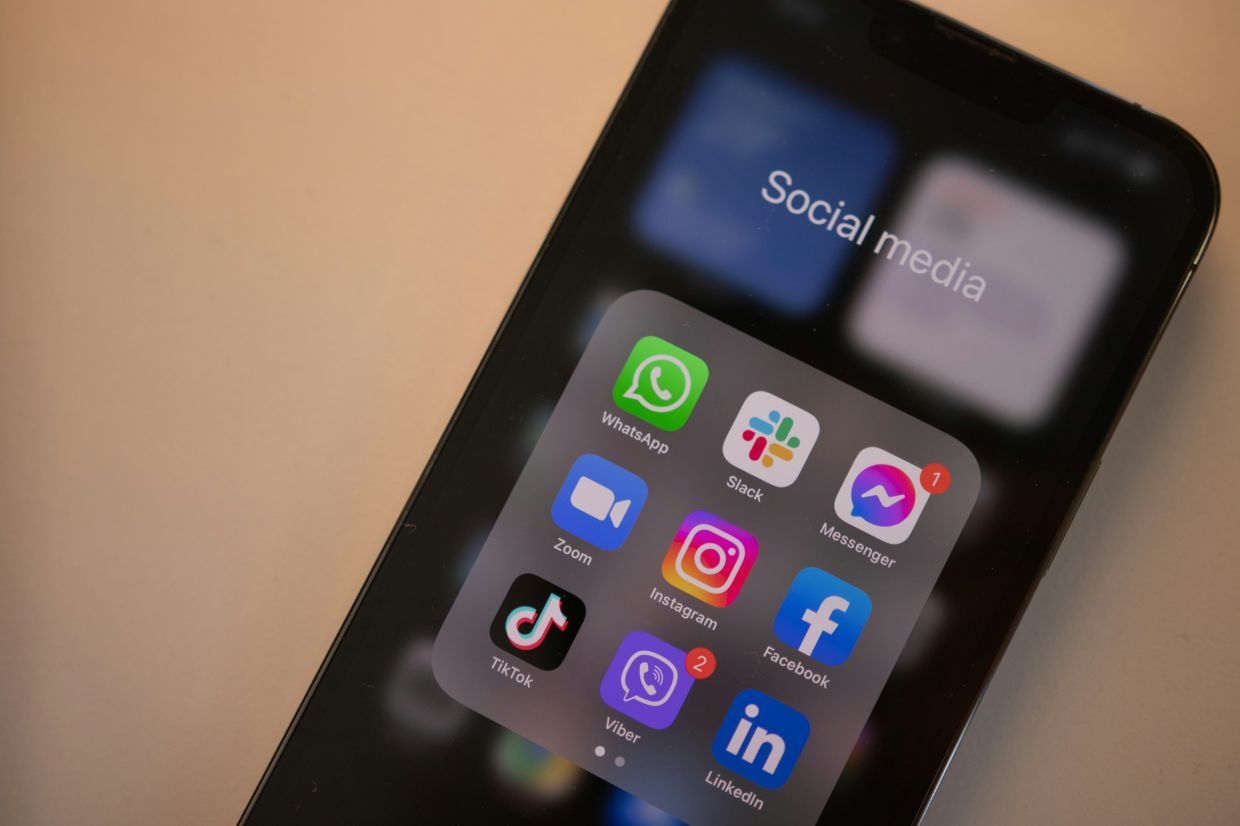
France's highest constitutional authority has dealt a significant blow to one of Emmanuel Macron's signature child protection initiatives, striking down a proposed blanket ban on social media use for anyone under 15 years old. The Constitutional Council determined that the legislation as drafted infringed excessively on citizens' rights to freedom of expression and communication without providing adequate legal protections to safeguard those fundamental freedoms. The ruling throws into question whether Macron's ambitious digital safety agenda can be salvaged before he steps down from the presidency next year.
The decision represents a dramatic reversal for a government that had positioned itself at the forefront of European efforts to shield young people from digital harm. Last month, France became the first EU member state to adopt such sweeping social media restrictions, marking a watershed moment in the continent's regulatory approach to tech platforms. The legislation had cleared both the National Assembly and Senate with supporting votes from lawmakers across the political spectrum, suggesting broad parliamentary backing for stronger action on youth digital protection.
Beyond the social media provisions, the law had also included measures restricting mobile phone use in secondary schools, reflecting the government's comprehensive vision for reducing children's screen exposure in educational settings. Macron had championed the initiative as a crucial protection for developing minds, hoping to implement it when schools reopened in September. The timing was deliberate, designed to make the new rules part of the academic calendar from the outset. However, constitutional review procedures required examination of whether the bill aligned with France's founding principles before it could take effect.
The Constitutional Council's reasoning centered on a proportionality assessment—a common framework in European jurisprudence for evaluating whether restrictions on fundamental rights go too far in pursuing legitimate policy objectives. While protecting children is undoubtedly a worthy government aim, the court found that the blanket approach lacked sufficient nuance and failed to establish clear legal mechanisms ensuring that freedom of expression rights remained meaningfully protected even under the restrictions. This distinction matters considerably in French constitutional law, where balancing competing interests requires more than simply declaring an intention to restrict something harmful.
Macron's immediate response signaled determination to press ahead, though along a different pathway. He declared himself fully committed to achieving a social media ban by spring, but acknowledged the court's concerns required serious engagement. The President tasked Prime Minister Sébastien Lecornu with developing what he termed a "legally robust proposal" that would satisfy the Constitutional Council while remaining compatible with European Union legal frameworks. This broader constraint reflects how French domestic policy increasingly intersects with EU regulations governing digital markets and consumer protection.
The challenge facing Lecornu's team is substantial. They must preserve the core protective intent of the original legislation while adding safeguards that address the court's freedom of expression concerns. This likely means building in exceptions, appeal mechanisms, or graduated restrictions rather than an absolute ban. The government might also need to distinguish between different types of social platforms or impose age verification requirements with clearer transparency about how user data would be handled. Each modification, however, reduces the law's absoluteness and potentially its effectiveness.
The timing pressure is real. Macron's presidency concludes next year, meaning any revised legislation must complete the full parliamentary and constitutional review process within months rather than the years typically available for policy development. This compressed timeline could force compromises that neither fully satisfy child protection advocates nor entirely convince constitutional judges that adequate safeguards exist. The government faces a genuine legislative puzzle: how to craft restrictions sufficiently robust to protect minors while sufficiently flexible to pass constitutional scrutiny.
For regional observers in Southeast Asia, France's experience offers instructive lessons. Malaysia and other nations in the region have similarly grappled with regulating social media's effects on youth, though often through different mechanisms such as content moderation requirements rather than outright bans. France's constitutional obstacle demonstrates that even wealthy democracies with sophisticated legal systems struggle to implement sweeping restrictions on digital platforms without running afoul of fundamental rights protections. The European Court of Human Rights, which operates above France's Constitutional Council, might also review any revised legislation, adding another layer of potential legal challenge.
The episode also highlights the political stakes when governments attempt to regulate technology. Macron had positioned youth digital protection as a defining achievement, part of a broader French push to establish Europe as a counterweight to American tech dominance. A judicial setback, while not fatal to the policy agenda, complicates that narrative and provides ammunition to critics who question whether aggressive tech regulation is practically achievable within democratic legal systems.
As the government works to redraft the proposal, the underlying question remains contested: whether social media access for young teenagers represents primarily a public health crisis demanding legislative solutions, or whether it should be addressed through other mechanisms like parental controls, school policies, and digital literacy education. The Constitutional Council's decision doesn't answer that question but does insist that if restrictions proceed, they must be calibrated carefully to respect the constitutional rights of all citizens, including young people themselves.

