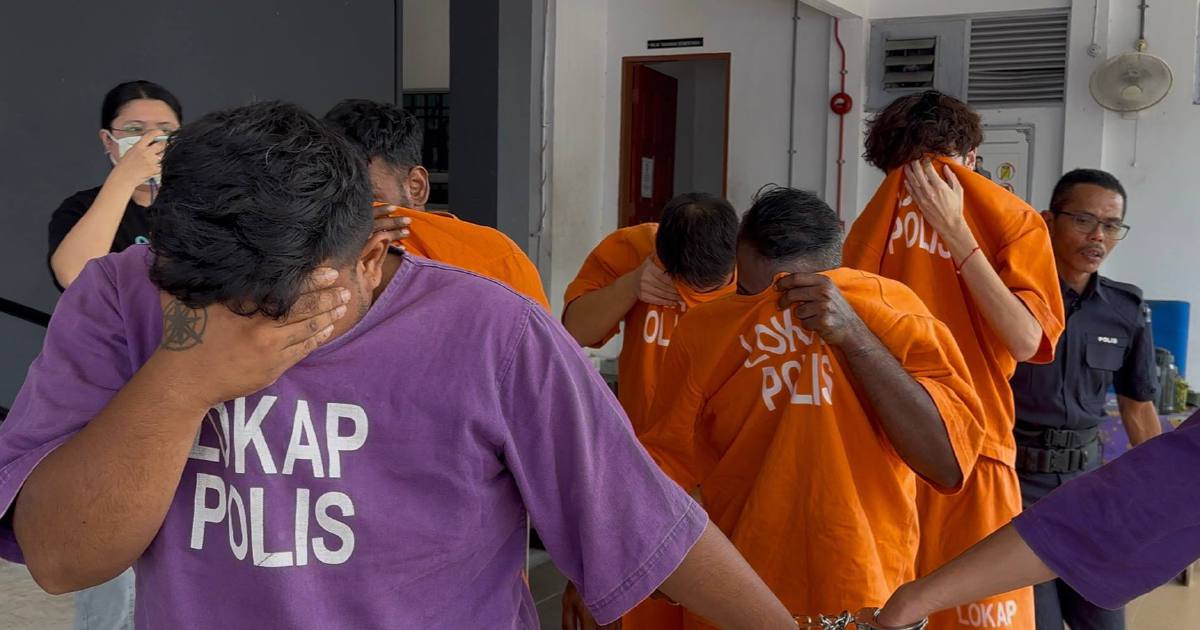
Four men who have been held in police remand will face a murder charge tomorrow at the magistrate's court in Batu Pahat, as investigators conclude their initial inquiry into the death of a local businessman. The accused men are expected to make their first court appearance where the formal charge will be read and bail considerations addressed, marking a critical juncture in what has become a closely watched case within the Johor business community.
The victim, whose identity and the specific circumstances of the killing remain focal points for ongoing investigation, was found last month, triggering a rapid police operation that culminated in the arrest and remand of the four suspects. The timing of the court appearance reflects standard procedural protocols that allow investigating officers sufficient time to compile evidence, interview witnesses, and build their prosecutorial narrative before formal charges are filed.
Batu Pahat's merchant class has grown increasingly concerned about personal security in recent months, with this incident representing another violent crime affecting business owners in the district. The town, situated strategically in Johor's central region, has long served as an important commercial hub for nearby communities, making the protection of business owners a matter of broader public interest and civic anxiety.
The remand period—during which the four men remained in police custody for questioning and evidence gathering—suggests that investigators pursued a comprehensive investigation. Police likely conducted extensive interviews with the accused, examined forensic evidence, and corroborated witness statements to establish sufficient grounds for prosecution. The transition from remand to formal charging indicates that authorities believe they have gathered adequate material to present before the magistrate.
Murder charges in Malaysia carry severe penalties under the Penal Code, with convictions potentially resulting in capital punishment, depending on circumstances and judicial discretion. This severity underscores the gravity with which courts and law enforcement treat such offences, and the formal charging process that begins tomorrow will set parameters for the entire legal proceeding that lies ahead.
The magistrate's court appearance will determine whether bail conditions are imposed, what constraints apply to the accused pending trial, and the timeline for preliminary proceedings. Magistrates assess flight risk, community ties, and the strength of prosecution evidence when making such determinations. Local legal observers will be watching closely to gauge judicial assessment of the case's strength at this early stage.
For the Batu Pahat business community, this case resonates beyond its immediate facts. Business owners throughout the district operate within an environment where personal safety intersects with commercial activity. Murders targeting businessmen, regardless of their underlying motives—whether stemming from commercial disputes, personal enmities, or organised criminal involvement—heighten awareness of vulnerability and prompt many entrepreneurs to enhance their own security measures.
The investigation's progression from arrest to remand to formal charging reflects the police force's commitment to pursuing the matter through established legal channels. Each procedural step, though routine in the justice system, represents substantial investigative labour: forensic analysis, witness examination, suspect interviews, and evidence documentation that collectively construct the foundation for prosecution arguments.
Investigators must establish motive, opportunity, and means while overcoming any defences the accused might mount. In cases where multiple defendants face joint charges, prosecution typically addresses questions of complicity, individual roles, and the degree of participation each accused played in the alleged crime. These nuanced questions often preoccupy courts throughout preliminary and substantive trial phases.
The formal charging tomorrow transforms the suspects from remanded individuals into formally accused persons, triggering distinct legal protections and procedural requirements. They gain the right to legal representation, access to charges and evidence particulars, and the opportunity to respond through counsel. The entire prosecutorial burden—proving guilt beyond reasonable doubt—rests with the state from this point forward.
For Malaysian readers, cases like this illustrate the intersection of criminal justice, business security, and community welfare. Batu Pahat's experience reflects broader patterns of violent crime that periodically affect commercial districts throughout Malaysia and Southeast Asia. Understanding how the justice system processes serious criminal allegations—through systematic investigation, formal procedure, and ultimately trial—provides important context for public confidence in legal institutions and their capacity to deliver accountability.
As the four men appear before the magistrate tomorrow, their case enters a new phase. Whether they eventually stand trial at the High Court, negotiate guilty pleas, or have charges dismissed will depend on evidence presented, legal arguments advanced, and judicial findings. For now, the formal machinery of Malaysian justice moves forward, translating investigative work into legal proceedings that will consume considerable time and public resources before reaching final resolution.

