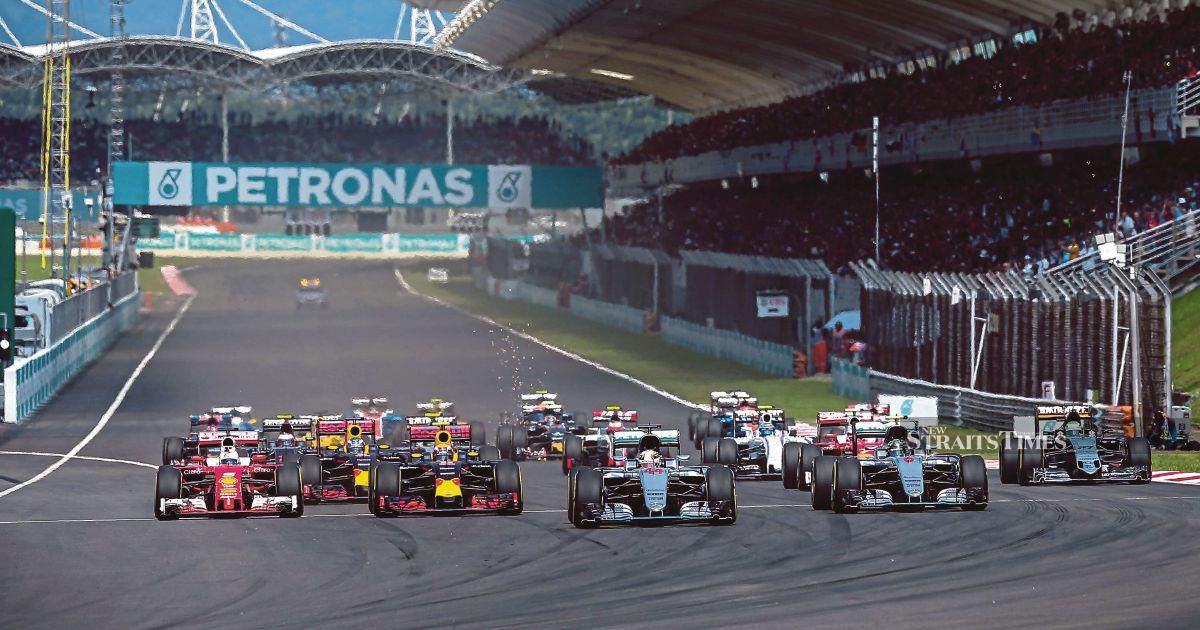
Malaysia's marquee motorsports spectacle is roaring back into life this October as Formula 1 prepares to descend upon Sepang International Circuit once again, and Prime Minister Datuk Seri Anwar Ibrahim has moved to democratise access to the sport by rolling out a targeted ticket programme. The initiative, dubbed Madani tickets and beginning at RM200, represents a deliberate policy move to transform the F1 Grand Prix from an exclusive gathering of the wealthy into a truly national celebration that reaches across Malaysia's diverse socioeconomic landscape.
The decision to price entry-level tickets at RM200 carries significant symbolism for a motorsports event traditionally dominated by corporate hospitality packages and VIP experiences that often stretch into five figures. By establishing this accessible price point, the government signals recognition that sporting events of global calibre ought to serve the entire nation, not merely those with substantial disposable income. The Madani branding itself—referencing the government's broader inclusive development agenda—underscores that this is not merely a commercial concession but rather a philosophical commitment to expanding participation in world-class sporting occasions.
Sepang International Circuit has been Malaysia's automotive heartland since its opening in 1999, hosting not only F1 but also MotoGP and numerous other international racing championships. The venue's return to the F1 calendar carries particular resonance for a nation that has historically punched above its weight in global motorsports despite its modest population. The circuit's modern facilities and proven infrastructure make it a reliable anchor for the sport in Southeast Asia, and its proximity to Kuala Lumpur ensures accessibility for the broader Malaysian population compared to many international racing venues scattered across remote locations.
The timing of this announcement reflects evolving considerations about domestic sporting attendance patterns across the region. Since the COVID-19 pandemic disrupted global sporting calendars, organisers worldwide have grappled with rebuilding local fan bases and reconceptualising the value proposition of live sporting experiences. For Formula 1 specifically, maintaining competitive attendance figures at regional circuits has become increasingly critical as the sport expands its calendar footprint. Malaysia's decision to implement subsidised domestic pricing directly addresses this challenge by creating a pathway for casual enthusiasts and cost-conscious families to experience the spectacle without incurring prohibitive expenses.
The RM200 entry tier also carries implications for Malaysia's broader positioning within the global motorsports ecosystem. As emerging markets increasingly host prestigious international events, their ability to generate authentic local engagement—rather than relying solely on international tourists and corporate clients—becomes a distinguishing factor. A packed Sepang circuit filled with Malaysian families and working-class enthusiasts projects a different narrative than rows of corporate suites occupied by international business delegations. This translates into television audiences, social media engagement, and the intangible but valuable atmosphere that shapes how international sporting events are perceived globally.
Underlying this initiative is recognition that motorsports fandom in Malaysia remains robust despite limited recent exposure to the sport at the highest level. The country boasts a rich racing heritage extending back decades, with Malaysian drivers and engineers having competed and contributed to Formula 1 development over multiple eras. Sepang itself has hosted memorable races and produced dramatic moments that remain embedded in local sporting consciousness. The ticket pricing strategy thus taps into existing cultural capital and attempts to reinvigorate enthusiasm that may have cooled during the circuit's absence from the international F1 calendar.
The broader economic context surrounding sporting events deserves consideration as well. International motorsports championships generate significant ancillary economic activity—hospitality, transportation, accommodation, retail, and food services all benefit from the influx of attendees. By expanding the addressable audience through lower ticket prices, organisers and the government likely anticipate increased overall economic benefit despite lower per-ticket revenue. Weekend accommodation bookings, petrol station activity, restaurant occupancy, and retail spending typically surge around major sporting occasions, creating multiplier effects throughout the economy.
From a sporting perspective, the presence of enthusiastic local crowds elevates the racing experience itself. Teams and drivers consistently report that energised home circuits provide palpable benefits—whether psychological, atmospheric, or in terms of sponsorship visibility. For Malaysian automotive interests and potential young talent cultivation, exposing the next generation to live F1 racing at accessible price points represents an investment in future participation and careers within the motorsports industry. Several Malaysian drivers have graduated through junior motorsports categories; facilitating their exposure at grassroots levels requires accessible entry points to the sport.
The Madani ticket programme also reflects competitive dynamics within Asian motorsports tourism. Singapore's Marina Bay circuit, Japan's Suzuka, and other regional venues command premium pricing and remain destination events for international audiences. Malaysia's counter-strategy—emphasising domestic accessibility and social inclusion—carves a distinct market positioning that emphasises national pride and participation rather than exclusivity. This differentiation strategy acknowledges that sustainable event success increasingly depends on building loyal, engaged domestic audiences alongside international visitors.
Implementing the programme will require coordination across multiple stakeholders—Sepang International Circuit management, F1 organisers, Malaysian authorities, and promotional partners. Ensuring that RM200 tickets remain genuinely available rather than becoming theoretical while corporate packages dominate actual allocations will be critical to the initiative's credibility. Transparent allocation processes and perhaps digital ticketing safeguards can help prevent secondary market speculation that often undermines affordable ticket initiatives for major events.
Looking ahead, the October Grand Prix will serve as a barometer for Malaysian enthusiasm for Formula 1 and the efficacy of targeted affordability strategies in driving attendance. International sporting calendars are increasingly contested—cities compete fiercely for race dates and attendances—making consistent, engaged local support a crucial variable in securing future events. Malaysia's approach via subsidised domestic pricing stakes a claim that world-class motorsports competitions belong not in cordoned VIP zones but rather distributed across society, accessible to anyone willing to witness sporting excellence.

