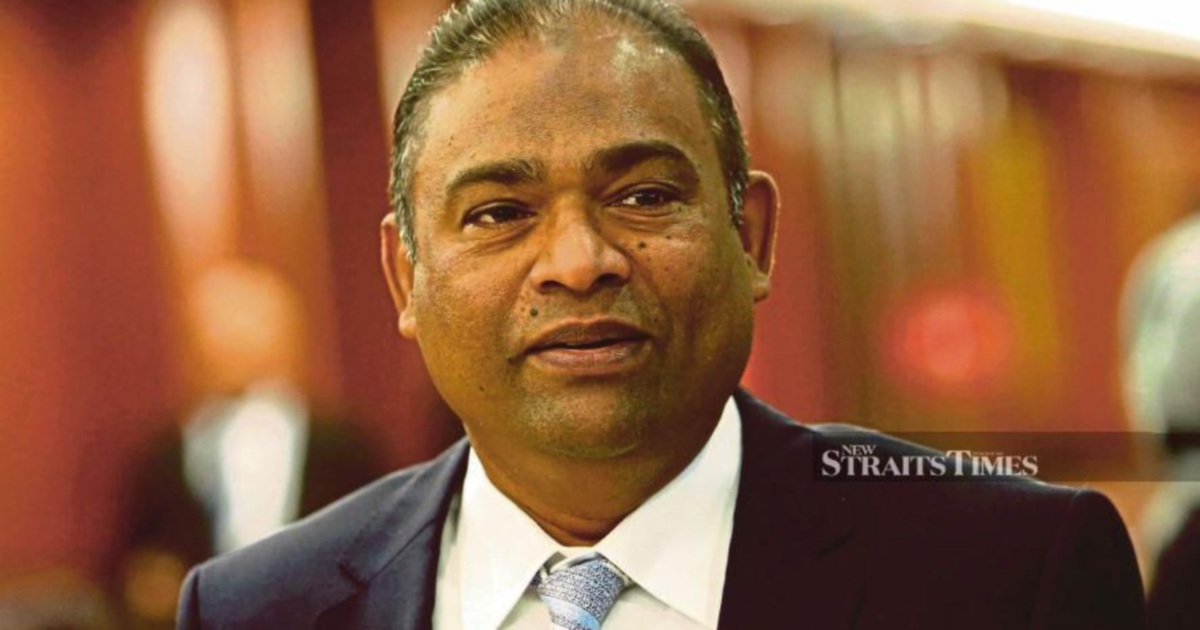
The family of former Tabung Haji chairman Datuk Seri Abdul Azeez Abdul Rahim has moved to quash circulating reports that he was arrested by the Malaysian Anti-Corruption Commission, with his son Mohamed Khairul Azman issuing a public denial of the allegations. The clarification came amid speculation about the former official's legal status and potential involvement in matters under investigation by the anti-corruption agency.
Mohamed Khairul Azman's statement represents an effort to address what the family characterizes as misinformation spreading through media channels and public discourse. The denial underscores the sensitive nature of developments involving prominent figures in Malaysia's institutional leadership, particularly those connected to sovereign wealth and pilgrimage management entities. Tabung Haji, formally known as the Pilgrimage Fund Board, manages billions in assets entrusted by Malaysian Muslims for the Hajj pilgrimage, making its governance and leadership subject to intense public scrutiny.
The incident reflects ongoing public interest in the governance standards and accountability mechanisms within Malaysia's statutory bodies. High-profile clarifications of this nature typically emerge when initial reporting or rumours gain sufficient traction to warrant official response, suggesting that questions about Abdul Azeez's interactions with the MACC had gained considerable circulation. The family's proactive stance indicates an awareness that unclarified speculation could damage both personal reputation and institutional confidence.
For Malaysian investors and Hajj pilgrims, developments affecting Tabung Haji's leadership carry practical implications. The organisation manages contributions from over 800,000 account holders and holds substantial equity investments, real estate portfolios, and cash reserves. Leadership disputes or investigations touching institutional figures naturally prompt questions about governance oversight and the protection of beneficiary interests. Any uncertainty about management integrity, real or perceived, can influence stakeholder confidence in the fund's strategic direction.
The clarification from Mohamed Khairul Azman also highlights the distinction between investigative inquiry and formal arrest, a critical legal and procedural differentiation that sometimes blurs in public understanding. The MACC, empowered to probe corruption allegations affecting public institutions and officials, frequently conducts interviews and examinations as part of standard investigative protocols. Such interactions, while serious, differ materially from arrest and detention. The family's emphasis on this distinction suggests they are working to prevent preliminary engagement with authorities from being mischaracterised as more serious enforcement action.
Contextually, Tabung Haji has navigated numerous governance challenges in recent years, including questions about investment performance, dividend distribution policies, and administrative transparency. Previous controversies involving fund management decisions and disclosure practices have generated parliamentary inquiries and media investigations. Against this backdrop, any development involving past or present leadership figures naturally attracts heightened attention from regulators, elected representatives, and media organisations tracking institutional accountability.
The statement arrives at a time when Malaysian authorities have intensified anti-corruption efforts across sovereign wealth vehicles and government-linked organisations. Enhanced scrutiny reflects both domestic demand for institutional integrity and international expectations regarding governance standards. For figures who previously held significant positions within such organisations, interactions with enforcement agencies increasingly occur as part of routine compliance investigations rather than as responses to specific allegations.
For Southeast Asian observers monitoring Malaysia's institutional development, such clarifications offer insight into how the country balances investigative rigour with procedural fairness. The prominence given to the family's statement, alongside official denials, demonstrates the media environment's receptiveness to corrections and counter-narratives. This transparency in addressing speculation contrasts with jurisdictions where such matters might remain opaque or where officials employ less direct communication strategies.
Looking forward, the clarification may serve to stabilise perceptions around Abdul Azeez and Tabung Haji's institutional continuity, provided no further developments emerge. However, the mere necessity of issuing such a statement indicates that public confidence in institutional leadership clarity requires strengthening. Enhanced regular communication about governance matters, leadership transitions, and investigative protocols might help Malaysian statutory bodies reduce speculation and maintain stakeholder trust more effectively. For Hajj pilgrims and fund contributors monitoring their interests, transparency about operational management remains essential to maintaining confidence in one of Malaysia's most significant financial institutions serving religious and community purposes.

