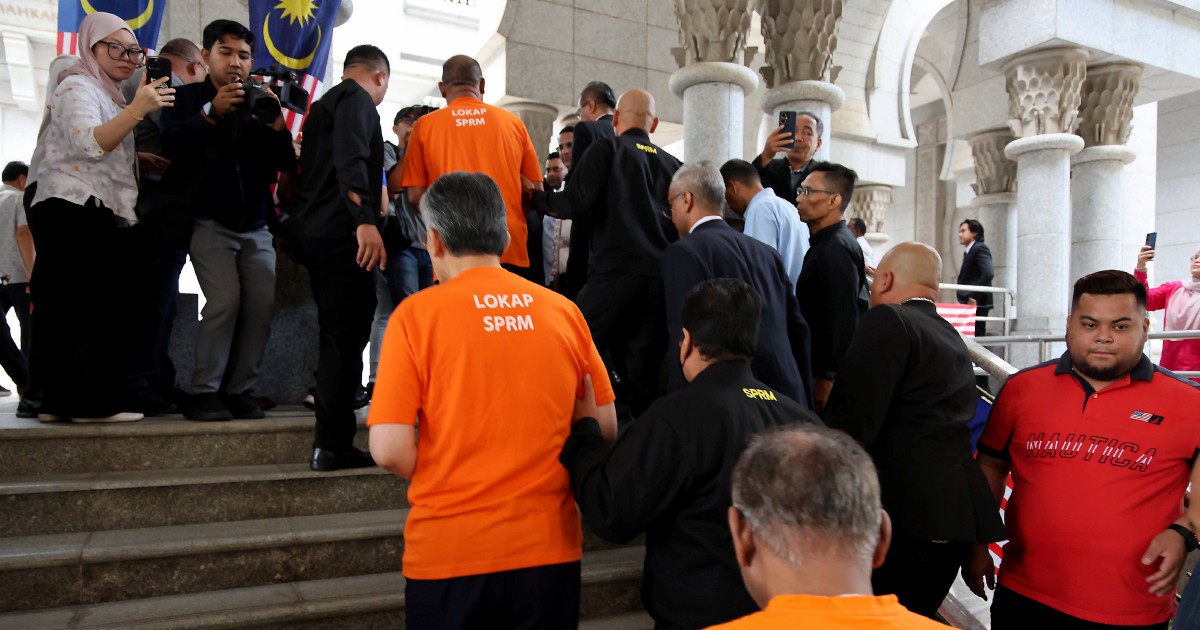
The Malaysian Anti-Corruption Commission has successfully obtained an extension to detain a former chief executive of Tabung Haji for an additional four days, intensifying scrutiny of the pilgrimage fund's governance and financial management practices. The remand extension, granted in Putrajaya, underscores the seriousness with which investigators are pursuing allegations that precipitated the Royal Commission of Inquiry into the institution's affairs.
Tabung Haji, Malaysia's most prominent pilgrimage savings scheme, manages billions of ringgit belonging to millions of Malaysians who set aside funds for the Hajj pilgrimage. The institution has long held significant cultural and religious importance within the Muslim-majority nation, serving as both a financial instrument and a repository of trust. Any governance failures at the organisation carry considerable weight given its role in facilitating one of Islam's Five Pillars for ordinary Malaysians across all socioeconomic backgrounds.
The Royal Commission of Inquiry mechanism, typically invoked for matters of substantial public concern, signals that the scope of alleged irregularities extends beyond routine administrative mismanagement. Such commissions investigate issues deemed sufficiently grave to warrant independent judicial examination, often involving questions of systemic corruption, misappropriation of funds, or serious breaches of fiduciary duty. The activation of this process reflects concern among authorities about the scale and nature of alleged misconduct within Tabung Haji's upper echelons.
The extended detention of the former chief executive allows investigators additional time to pursue specific lines of inquiry, gather evidence, and potentially identify other individuals implicated in any wrongdoing. The four-day extension suggests that initial interrogation has yielded leads requiring further examination rather than representing a preliminary fishing expedition. Anti-Corruption Commission officials typically request extensions when they identify credible avenues of investigation warranting deeper exploration, rather than as a routine procedural formality.
For Malaysian pension and savings fund participants, the investigation carries immediate implications regarding the security and proper stewardship of their accumulated wealth. Millions of Malaysians have placed trust in Tabung Haji's management to preserve capital and generate reasonable returns toward their religious obligations. Any breach of this trust damages public confidence in savings institutions and raises questions about oversight mechanisms protecting citizen investments.
The case also intersects with broader governance reform conversations within Malaysia's institutional landscape. Over recent years, the nation has witnessed increasing scrutiny of how public-facing organisations and statutory bodies manage assets and maintain accountability. The Tabung Haji investigation becomes part of this larger narrative about institutional integrity, particularly regarding bodies entrusted with managing religiously and culturally significant resources on behalf of ordinary citizens.
Southeast Asia has observed varying approaches to combating corruption within major financial and religious institutions. Malaysia's visible pursuit of this investigation, including public court proceedings and media reporting, demonstrates a commitment to accountability mechanisms that some regional neighbours have approached less transparently. However, observers note that investigations alone prove insufficient without subsequent prosecutions and convictions establishing clear consequences for misconduct.
The investigation's financial dimensions remain largely undisclosed at this stage, though Tabung Haji's scale suggests potential exposure running into substantial sums. The institution manages pilgrim savings accumulated over decades, meaning any diversion or mismanagement could affect enormous numbers of beneficiaries. Questions about how resources were deployed, whether investment decisions prioritised institutional interests over beneficiary welfare, and whether conflicts of interest influenced strategic choices will likely feature prominently in the inquiry.
The former chief executive's cooperation or resistance during interrogation will significantly influence investigation trajectory. Investigators typically seek detailed knowledge of internal decision-making processes, approval chains, and the rationale underpinning contested transactions or policies. Extended remand periods provide opportunity to cross-check explanations against documentary evidence, interview corroborating witnesses, and construct a comprehensive chronology of alleged misconduct.
For Malaysia's investment community and foreign observers assessing institutional governance standards, this investigation's conduct and ultimate outcome carry reputational implications. Transparent handling of major corruption allegations, coupled with proportionate consequences, strengthens perceptions of Malaysia's commitment to rule of law and institutional accountability. Conversely, investigations perceived as incomplete or politically motivated undermine confidence in governance standards affecting both domestic and foreign investor decisions.
The broader Tabung Haji situation reflects universal challenges facing large savings institutions managing pooled resources: balancing generous returns against prudent investment practices, maintaining administrative costs within reasonable bounds, and preventing conflicts of interest from compromising decisions. The investigation may yield insights into how Malaysian regulators can strengthen oversight mechanisms across comparable organisations, potentially influencing future governance frameworks for public-facing financial institutions.
As the Royal Commission of Inquiry proceeds alongside the criminal investigation, Malaysian authorities face the task of establishing accountability while maintaining public confidence in Tabung Haji's continued operations. Millions of Malaysians depend on the institution functioning reliably, even as investigations determine the extent of alleged breaches under previous leadership. Managing this dual imperative—pursuing accountability while preserving institutional functionality—will test Singapore's governance institutions as the investigation progresses into coming months.

