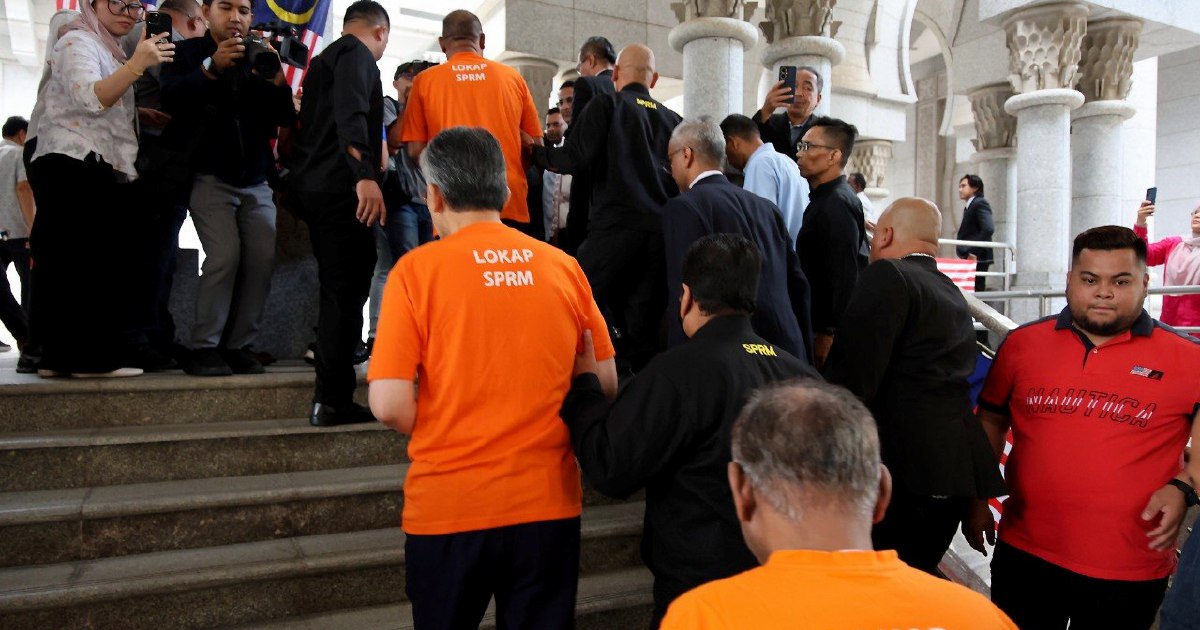
A former chairman of Lembaga Tabung Haji and a retired Treasury secretary-general made separate appearances at Putrajaya magistrates' court for remand hearings on Wednesday, marking another chapter in an investigation that has drawn public scrutiny toward governance and financial oversight at the government-backed Islamic pilgrimage savings institution.
The court proceedings come as authorities continue examining the operational and financial affairs of Tabung Haji, a statutory body responsible for managing the savings of Malaysian Muslims preparing for the Hajj pilgrimage to Mecca. The appearance of these two high-ranking former officials underscores the severity with which investigators are treating the matter, with both individuals having held positions of substantial influence over government finances and institutional direction during their respective tenures.
The remand hearing represents a critical juncture in the investigative process, determining the duration for which authorities may hold the individuals for questioning and the gathering of additional evidence. Such proceedings are pivotal in financial misconduct cases, as they allow investigators to seek an extended period to build their case without the subjects having immediate access to legal counsel during interrogation, though fundamental rights protections remain in force.
Tabung Haji has faced mounting scrutiny over recent years regarding its investment decisions, fund management practices, and the stewardship of billions of ringgit entrusted to it by contributing members. The institution's role extends beyond mere savings accumulation; it serves as a critical mechanism through which ordinary Malaysian Muslims systematically set aside capital for one of Islam's five pillars. Any breach of fiduciary responsibility carries implications not merely for financial recovery but for public trust in government-linked institutions more broadly.
The involvement of a former Treasury secretary-general in the investigation particularly resonates within Malaysia's administrative circles, as this office traditionally wields considerable authority in budgetary allocation, fiscal policy, and oversight of government expenditure. The participation of Treasury leadership in any alleged financial irregularities raises questions about internal accountability mechanisms and whether sufficient checks existed to prevent or detect anomalies at that hierarchical level.
For Malaysian citizens, these developments reflect broader concerns about institutional governance that emerged following multiple high-profile cases involving mismanagement of public funds and state-linked enterprises. The Tabung Haji situation carries additional weight given its unique position as custodian of savings specifically designated for a religious obligation, lending it quasi-sacred status within Muslim communities across the country.
The remand hearing process itself typically involves the prosecution presenting prima facie evidence to justify why the suspects should remain in custody during the investigation phase. Magistrates must weigh evidence against legal standards, balancing investigative needs against the principle that individuals remain innocent until proven guilty. The court's decision on remand duration provides insight into the perceived strength of the prosecution's preliminary case.
These court appearances have drawn attention from civil society observers and financial accountability advocates who argue that transparent, decisive action against any wrongdoing—regardless of seniority of those involved—strengthens public institutions. The principle that no individual, however prominent their former position, remains above legal scrutiny represents an important signal for institutional health in any democracy.
For regional observers monitoring Malaysia's approach to governance challenges, the progression of this case will offer indicators regarding the consistency and independence of investigative bodies, the judiciary's willingness to examine high-level officials equitably, and the broader trajectory of anti-corruption efforts. Several Southeast Asian nations face similar pressures regarding institutional accountability, making Malaysia's handling of such matters relevant beyond its borders.
The investigation's outcomes may also influence public confidence in Tabung Haji's restructuring efforts and any corrective measures undertaken by current leadership. Members who have contributed substantially to the fund over decades will scrutinize how thoroughly accountability is pursued and what safeguards are implemented to prevent recurrence of any identified irregularities.
The court's determinations regarding remand, combined with evidence that emerges during questioning, will establish the factual foundation upon which any formal charges may ultimately rest. Malaysian legal observers note that the strength of remand decisions often correlates with case progression, as extended custody typically indicates prosecutors possess material supporting more serious potential charges.
As investigations continue, these proceedings represent a test of Malaysia's institutional capacity to maintain rigorous standards of financial governance and official accountability, particularly when examining matters involving senior figures and substantial sums of public or quasi-public capital held in trust for ordinary citizens.

