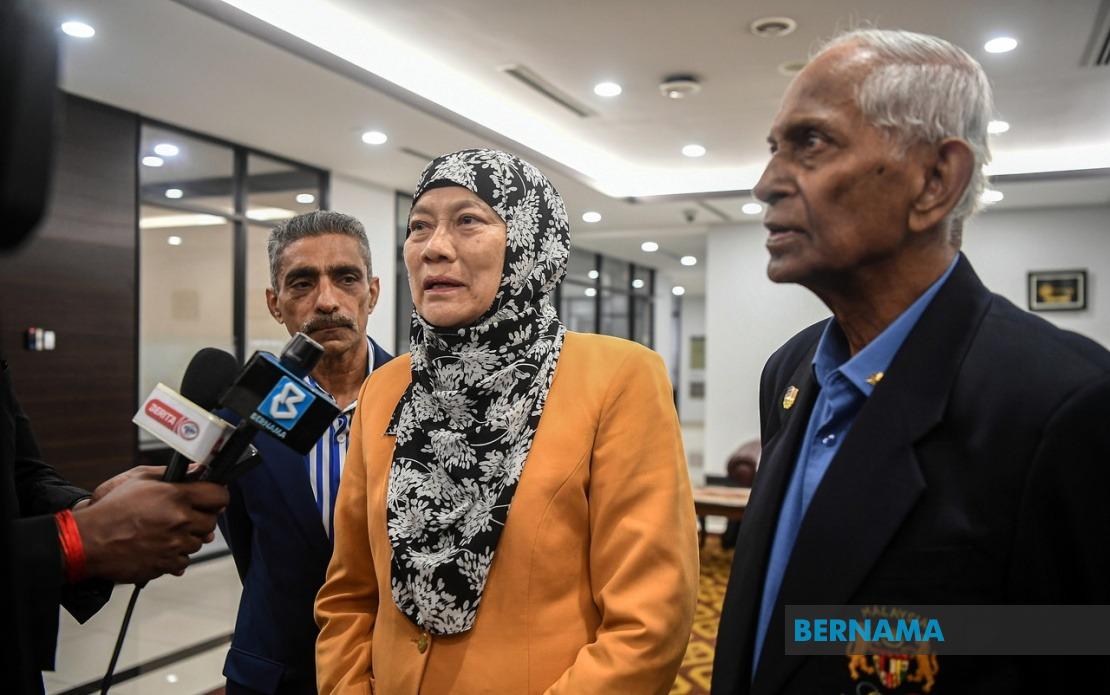
Malaysia's athletics governance faces mounting pressure to reform, with former Sports Commissioner Datuk Zaiton Othman publicly urging the sport's national body to strengthen its regulatory framework and ensure strict adherence to World Athletics standards. Speaking after a meeting with Youth and Sports Minister Dr Mohammed Taufiq Johari at Parliament, Zaiton cautioned that continued non-compliance risks serious consequences for the sport domestically and internationally.
The warning carries particular weight given Malaysia's hosting role for the 2027 SEA Games. Athletics stands as one of the region's premier medal-generating sports, routinely delivering more gold medals than most other disciplines with the exception of swimming and shooting. At recent Games, athletics has consistently offered around 47 gold medals, with marquee events such as the 100-metre sprint and the 4x100-metre relay capturing international attention. Should Malaysia Athletics face suspension or deregistration by World Athletics, the nation would be barred from organising these events at the upcoming regional competition, creating an unprecedented gap in the Games schedule.
The governance dispute centring on Malaysia Athletics' constitutional alignment with World Athletics represents a broader institutional challenge within Southeast Asian sports administration. Zaiton, herself a celebrated former athlete known as the 'Iron Woman' during her heptathlon career, emphasised that non-compliance could trigger World Athletics action ranging from administrative sanctions to outright suspension of Malaysia Athletics' membership. Such a development would simultaneously prevent Malaysian athletes from competing in any World Athletics-sanctioned international competitions, effectively isolating the nation's track and field talent from the global sporting community.
The delegation meeting the Sports Minister included several prominent figures from Malaysia's athletic heritage and sports reform movements. Olympian Datuk Karu Selvaratnam and former National Athletes Welfare Foundation chairman Datuk Noorul Ariffin Abdul Majeed joined Zaiton, together with representatives from the Reformation in Sports and Excellence initiative, a movement focused on improving governance standards across Malaysian sports bodies. Their collective presence underscored the gravity with which Malaysia's sporting establishment views the situation.
The constitutional tensions have centred on Malaysia Athletics' organisational structure and regulations. In May, the body's president Karim Ibrahim announced he would step back from daily leadership duties pending an Annual General Meeting scheduled for later that month, specifically to enable constitutional amendments that would bring the organisation into full alignment with World Athletics' governance requirements. This move acknowledged the substance of compliance concerns while attempting to chart a path toward resolution through proper internal channels.
Karim's position as president carries a complicated history within international athletics governance. In 2018, World Athletics suspended him from administrative roles, a decision that was subsequently upheld by the Court of Arbitration for Sport following his legal challenge. Despite this suspension, Karim retained eligibility to contest for and serve on the Asian Athletics Federation Executive Council during the 2019-2023 term, creating an unusual situation where his international standing remained partial rather than completely compromised. This ambiguity appears to have contributed to confusion regarding his actual authority within Malaysia Athletics.
The Sports Development Act 1997 provides the legal framework through which Malaysia's sporting governance operates at the national level. While the legislation preserves the autonomy and administrative independence of sports associations, it simultaneously grants the Sports Ministry and Sports Commissioner specific enforcement powers to monitor compliance and ensure associations operate within established regulatory parameters. Zaiton noted that government intervention through these mechanisms represents a legitimate recourse when governance failures threaten national sporting interests, though such intervention must remain appropriately constrained to prevent undue political interference.
The timing of these governance concerns carries additional significance given Malaysia's regional sporting ambitions. The 2027 SEA Games represent not merely a hosting opportunity but a chance to demonstrate the nation's ability to manage complex, multi-sport international events at a world-class standard. Athletics failures in this context would signal broader administrative vulnerabilities that extend beyond track and field to encompass the entire Games management structure. The assembled delegation's message therefore transcended athletics specifically, touching on Malaysia's credibility as a sporting nation and regional leader.
Zaiton's framing of the issue emphasised protection of athlete welfare and competitive opportunity rather than personalised criticism of specific individuals. The concern articulated was that governance instability and regulatory non-compliance would ultimately harm the prospects and careers of Malaysian athletes who depend on international competition access to develop their talents and represent their nation on global stages. This athlete-centric perspective seeks to depoliticise the dispute by grounding it in practical sporting outcomes rather than administrative turf wars or individual disputes.
The path forward requires Malaysia Athletics to complete its constitutional reform process successfully, securing internal approval for the necessary amendments while maintaining transparent communication with World Athletics regarding compliance progress. The forthcoming AGM represents the critical juncture where these reforms must gain formal adoption. Success at this meeting would restore Malaysia Athletics to good standing while demonstrating the organisation's capacity for institutional self-correction. Failure to achieve consensus and implement necessary changes would likely trigger World Athletics' enforcement mechanisms, with consequences that would reverberate far beyond administrative circles into the competitive careers of hundreds of Malaysian athletes.