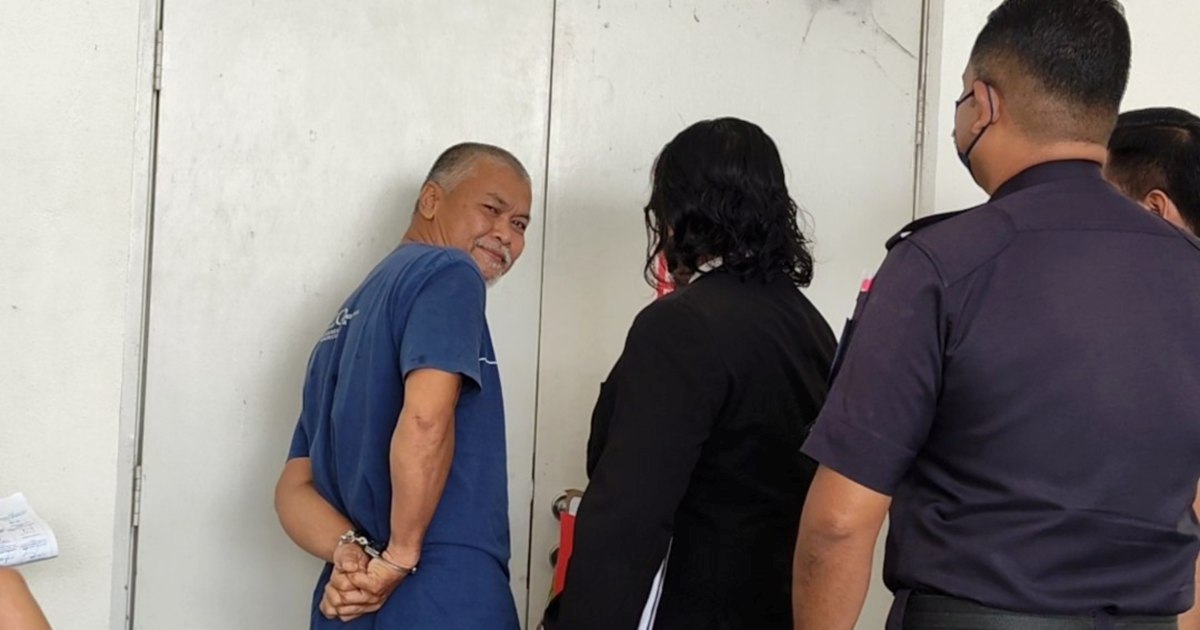
A former soldier appeared in court in Kangar today to face charges stemming from the discovery of a substantial cache of firearms and ammunition at the beginning of the month. The accused was presented before both the Sessions Court and the Magistrate's Court with five separate charges connected to the illegal possession of weapons and ammunition without proper authorisation. The case marks another incident highlighting concerns over unsecured weapons falling into unauthorised hands within Malaysia's civilian population, particularly among those with military backgrounds.
The charges relate to the discovery of prohibited firearms, imitation weapons designed to resemble real guns, and several hundred rounds of live ammunition allegedly found in the suspect's possession. While specific details regarding the exact number of weapons and precise ammunition count remain under investigation, the scale of the discovery suggests a potentially serious breach of Malaysia's stringent firearms regulations. The incident underscores the ongoing challenge faced by law enforcement agencies in tracking and securing weapons that may be retained or improperly stored by former military personnel.
Malaysia maintains among the world's strictest firearms control laws, with civilian ownership of real guns virtually prohibited outside specific professional categories such as licensed security personnel and authorised sports shooters. The possession of imitation weapons also contravenes national regulations, as such items can facilitate criminal activity or create public safety hazards. Former military personnel, who may have developed familiarity with weapons during their service, are subject to the same legal restrictions as other citizens once discharged from active duty.
The timing of the discovery early this month suggests that authorities received intelligence or conducted an operation that led to the identification of the cache. The transition from military to civilian life can present challenges for some veterans regarding the legal and responsible handling of weapons-related knowledge and attitudes. This case represents a cautionary example of how such transitions must be carefully managed, particularly when former soldiers possess unauthorised weapons that pose risks to public safety.
The court proceedings in Kangar, located in Perlis at Malaysia's northern border region, bring this matter into public view at a time when Southeast Asian nations collectively grapple with weapons smuggling, illegal arms markets, and civilian access to prohibited firearms. The region's porous borders and proximity to zones with active armed conflict create particular vulnerabilities. Malaysia's enforcement agencies have periodically conducted operations targeting illegal weapons caches, recognising that such discoveries often prevent potential criminal misuse or accidents.
For military veterans, the legal landscape governing weapons possession differs markedly from their service experience. The possession charges being pursued through Malaysia's court system reflect the government's commitment to maintaining strict control over civilian access to firearms. Veterans' organisations and social support services play an important role in educating discharged personnel about these legal realities and helping them adjust to civilian life within the bounds of the law.
The case comes amid broader regional discussions about veterans' welfare and reintegration programmes. While most former military personnel successfully transition to civilian roles without incident, high-profile cases involving weapons possession highlight the importance of robust post-service support and monitoring systems. Mental health support, employment assistance, and clear communication regarding legal obligations are considered essential components of comprehensive veteran care.
The Sessions Court and Magistrate's Court jurisdiction over this case indicates that authorities have structured the charges across both lower and higher court systems to ensure appropriate legal processing. Malaysia's dual-track court system allows flexibility in how serious charges are managed, with the Sessions Court typically handling more substantial offences. The specific charge structure in this case will likely be refined during preliminary hearings as the prosecution and defence present their positions.
Public attention to this case reflects broader concern about firearms security within Malaysia. While gun violence remains statistically lower in Malaysia compared to many nations, incidents involving illegal weapons caches periodically emerge, prompting renewed focus on enforcement and education. Authorities regularly remind the public that the illegal possession of firearms, including imitation weapons, carries substantial legal penalties including imprisonment.
The investigation into how the former soldier came into possession of these items will likely form an important part of the prosecution's case. Questions regarding the source of the weapons, duration of possession, and intent behind stockpiling ammunition remain to be addressed through the court process. Such investigations often uncover networks involved in illegal weapons distribution, contributing to law enforcement's broader understanding of arms trafficking patterns affecting Malaysia and the wider Southeast Asian region.

