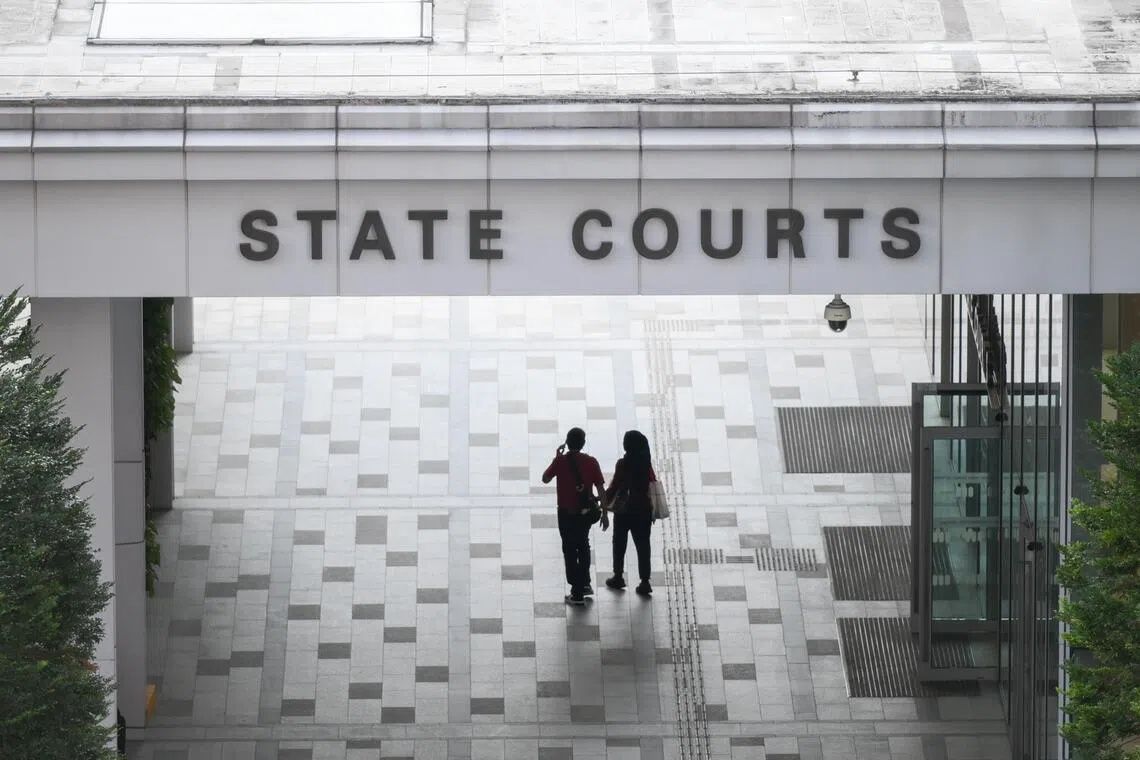
A former bank manager in Singapore is poised to face criminal charges following an investigation into the alleged misappropriation of nearly S$1.8 million from her employer's vault. The 65-year-old woman is scheduled to be charged on Wednesday, July 1, after police completed their inquiry into what authorities describe as a serious breach of trust by someone entrusted with significant financial responsibility.
According to police disclosures made on Tuesday, June 30, the woman systematically extracted S$1,729,000 from the bank vault during her tenure as branch manager spanning from May 2021 through August 29, 2022. Rather than being a sudden lapse in judgment, the theft appears to have been methodical and sustained, with investigators alleging the funds were diverted to settle personal debts and finance gambling pursuits. The extended timeframe over which the theft occurred—spanning more than 16 months—suggests a calculated scheme rather than an impulsive act.
To successfully conceal her actions from auditors and colleagues, the defendant allegedly tampered with the bank's official accounting records on at least 206 separate occasions. This wholesale falsification of financial documentation represents a deliberate effort to obscure the missing funds and maintain the illusion of proper cash management. Such systematic record manipulation indicates a sophisticated understanding of banking procedures and demonstrates the level of premeditation involved in the scheme. The sheer volume of falsified entries underscores both the scale of the theft and the perpetrator's determination to avoid immediate detection.
Investigations further revealed a collaborative element to the crime. Police allege that the former manager transferred the majority of stolen funds to a 36-year-old accomplice, who then deployed the money in gambling activities. Between December 2021 and September 2022, this second woman allegedly cashed in S$1,521,509 at legal casinos operating in Singapore while simultaneously channelling S$790,106 to numerous third-party accounts used for placing bets on illegal remote gambling platforms. The use of multiple accounts and the mixing of legal casino transactions with illegal online gambling suggests an attempt to complicate the money trail and confuse investigators.
Meanwhile, the former bank manager herself participated directly in some gambling activities, cashing in S$42,405 at a local casino during the investigation period. This detail indicates that while the defendant provided substantial funds to her accomplice, she retained access to a portion of the stolen money for her own personal gambling expenses. The parallel criminal conduct strengthens prosecutors' case regarding the defendant's motivation and knowledge of how the funds were being used.
The formal charges now being prepared reflect the seriousness with which prosecutors view the conduct. The former bank manager will face two amalgamated counts of criminal breach of trust by an employee, acknowledging her violation of the fiduciary duty inherent in her managerial position. She additionally faces two counts of falsifying accounts, three counts relating to transferring the benefits of criminal conduct, and one count of using benefits of that criminal conduct. This layered charging approach allows prosecutors to address different aspects of the wrongdoing and provides multiple avenues for conviction.
If convicted on all counts, the former bank manager could receive a custodial sentence of up to 15 years imprisonment, a fine not exceeding S$500,000, or both penalties combined. Such potential consequences reflect the gravity of her alleged offences and the law's recognition that breaches of trust by financial sector employees demand stringent punishment. The 36-year-old accomplice, facing three amalgamated counts of using benefits of criminal conduct and one charge of illegal remote gambling, confronts a maximum sentence of ten years in prison, a fine up to S$500,000, or both.
Authorities have emphasised that this case exemplifies their commitment to prosecuting financial crimes, particularly those perpetrated by individuals occupying positions of institutional trust. In official statements, police highlighted that such breaches fundamentally undermine corporate governance frameworks and erode the public's confidence in Singapore's financial system's integrity. The message appears directed both at potential offenders and at financial institutions themselves, suggesting that regulatory vigilance and internal controls require constant reinforcement.
The case carries implications extending beyond Singapore's borders, particularly for Malaysia and other Southeast Asian nations with comparable banking sectors. Financial institutions throughout the region operate within similar regulatory environments and face comparable risks from insider fraud. The incident demonstrates how even longstanding employees in seemingly trustworthy positions can orchestrate elaborate theft schemes, raising questions about whether background screening, training protocols, and internal audit procedures in Malaysian banks are sufficiently robust to detect sustained misconduct. For Malaysian banking regulators and individual financial institutions, this case serves as a cautionary reminder that institutional safeguards must evolve continuously to address sophisticated attempts at concealment by sophisticated criminals operating within protected positions.

