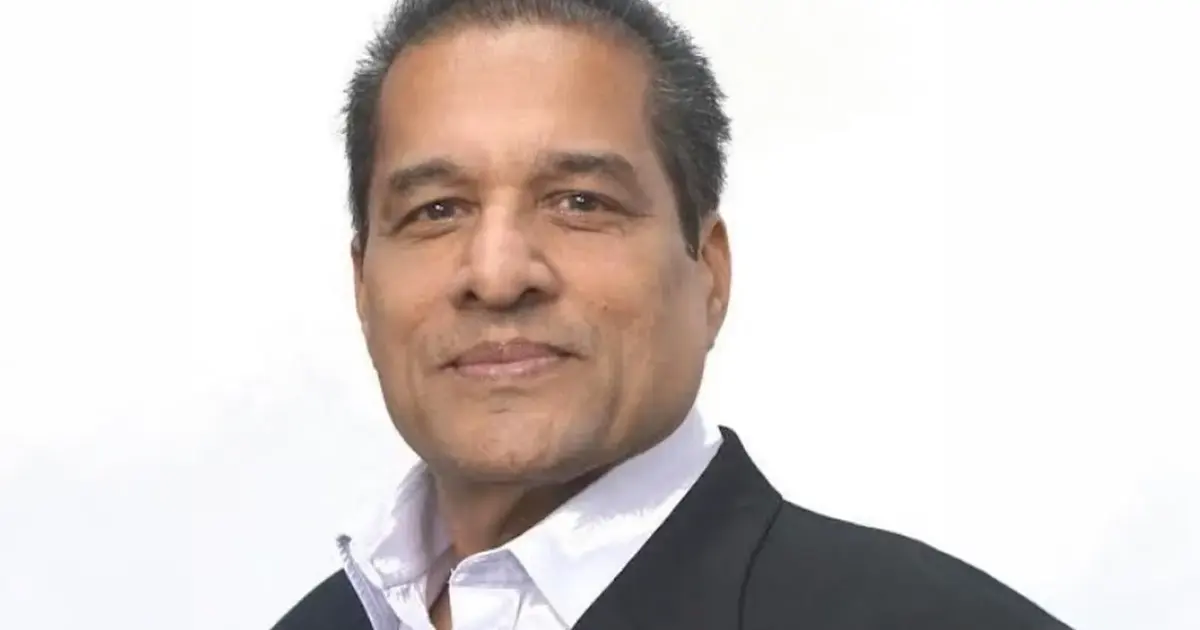
Former senator Daljit Singh has been ordered by the High Court to settle a total of RM275,000 to Salim Fateh Din, the executive vice-chairman of MRCB, following the successful conclusion of multiple legal proceedings against the politician. The judgment represents a significant financial liability for Singh and underscores the legal consequences of defamatory statements made in Malaysia's courts.
The court's ruling comprises two distinct components. Singh must pay RM175,000 in defamation damages along with associated legal costs incurred by Salim Fateh Din in defending his reputation, while an additional RM100,000 represents the repayment of a loan previously extended to the former legislator. The combined award reflects both the reputational harm caused through alleged defamatory remarks and the resolution of a separate financial obligation that had remained outstanding.
Salim Fateh Din, who holds a prominent position within MRCB—a major Malaysian real estate and construction conglomerate—had pursued legal action to protect his personal and professional standing against allegations made by Singh. The executive's decision to pursue these lawsuits demonstrates the increasing willingness of Malaysian business leaders and public figures to defend themselves through the courts when their reputations come under attack.
This case carries broader implications for the conduct expected of political figures in Malaysia. While legislators and former legislators maintain certain protections under parliamentary privilege, those protections are not absolute, particularly when statements are made outside the parliamentary chamber or extend beyond legitimate political discourse. The High Court's judgment signals that individuals, regardless of their political background or previous public office, remain accountable under Malaysia's defamation laws.
Defamation cases in Malaysia have become increasingly common in recent years as public figures seek remedies for damaging statements made in media, social platforms, and public forums. The courts have consistently upheld the right of individuals to seek compensation when their reputations are unjustifiably harmed, balancing this against principles of free speech and the public's legitimate interest in scrutinizing public figures and corporate leaders.
The former senator's loss in these proceedings may prompt reflection among political figures about the language and claims they employ when engaging in public discourse or making allegations against business executives and other individuals. The financial consequences can be substantial, and legal battles themselves consume significant time and resources regardless of their outcome.
Salim Fateh Din's successful defense of his reputation also highlights the vulnerability of corporate executives to public attacks and the importance of vigorously responding to damaging claims. MRCB, as a publicly listed entity involved in major development projects across Malaysia, operates in an environment where the conduct and reputation of senior management directly affects investor confidence and business relationships. The executive's decision to pursue legal remedies protected not only his personal standing but also the interests of the company and its shareholders.
For Malaysian readers and observers of corporate governance, this case illustrates that wealth and corporate position do not leave individuals defenseless against defamation, nor does previous or current political office shield one from the financial consequences of making unsubstantiated claims against others. The judgment reinforces established principles within Malaysia's legal framework regarding personal accountability and the protection of reputation.
The loan repayment component of the judgment addresses a separate matter but indicates a relationship between the two parties beyond the defamation dispute itself. This financial obligation's inclusion in the court order suggests efforts to resolve multiple outstanding issues through consolidated legal proceedings, a practical approach that avoids protracted litigation over separate matters.
For MRCB and its stakeholders, the court's decision removes a source of ongoing dispute and reputational uncertainty. The company can now move forward without the shadow of unresolved defamation claims, and the market receives clear judicial confirmation regarding the baselessness of Singh's allegations. This clarity matters considerably for investor confidence and the company's ability to conduct business without lingering questions about management integrity.
The enforcement of this judgment will likely proceed through Malaysia's established debt recovery mechanisms. As a High Court order, it carries the full weight of judicial authority, and non-compliance would constitute contempt of court. The former senator faces both legal and practical obligations to satisfy the monetary award within stipulated timeframes.

