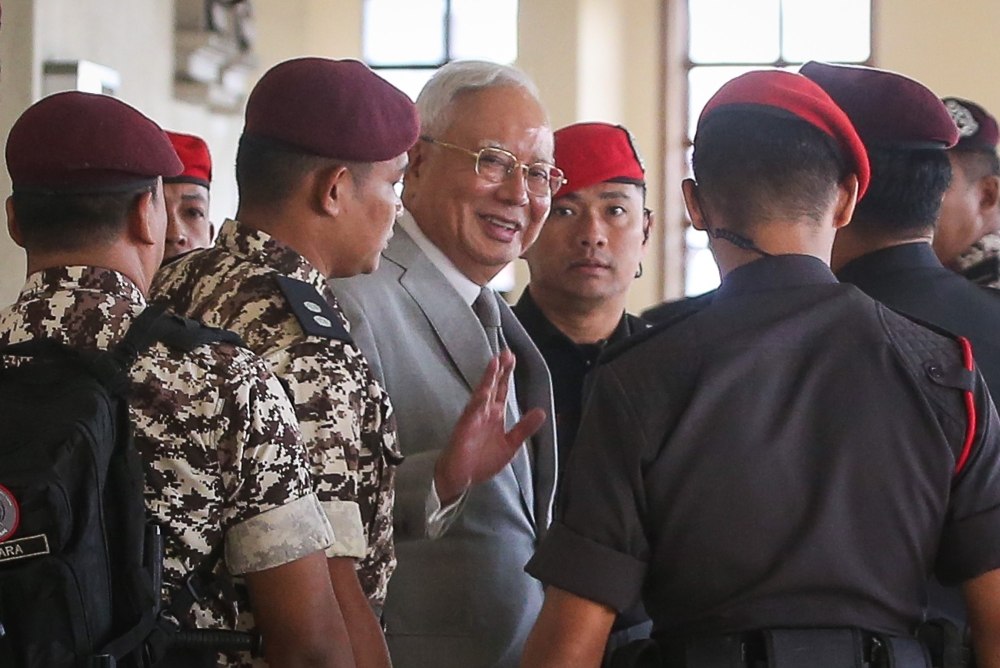
Former Prime Minister Datuk Seri Najib Razak will proceed with a scheduled heart procedure, his legal representatives confirmed on July 17. The development marks a significant personal health matter for the prominent political figure who has remained in the public eye despite facing substantial legal challenges in recent years.
The confirmation from Najib's legal counsel indicates that the cardiac intervention has been planned and will go ahead as scheduled. While details regarding the specific nature of the procedure, timing, and medical facility where it will take place remain limited, the announcement represents an important update for followers of Malaysian politics and those interested in the former leader's current circumstances.
Najib's health situation comes at a time when he continues to navigate a complex legal landscape. The former premier has been central to several high-profile cases that have captured national and international attention, particularly concerning allegations related to his tenure as head of government and his role in various state-linked institutions. His ongoing court battles have dominated Malaysian political discourse for several years.
The former prime minister, who led the country from 2009 until his electoral defeat in 2018, has maintained a relatively active public presence despite his legal troubles. His decision to proceed with the necessary medical treatment suggests that he remains committed to managing his health while dealing with his other pressing obligations, including court appearances and legal proceedings.
For Malaysian political observers, the announcement carries implications beyond the personal health sphere. The health of prominent political figures often intersects with broader questions about continuity and stability in the nation's political landscape. Najib's procedural absence may have temporary effects on various matters requiring his attention or involvement, though the precise nature of any disruptions remains unclear at this juncture.
The confirmation by his legal team underscores the importance of maintaining transparency regarding matters affecting public figures, particularly those still engaged in significant legal proceedings. Medical circumstances can intersect with judicial processes, and advance notification allows all relevant parties to prepare accordingly. This disclosure follows conventions of proper notice and demonstrates procedural conscientiousness from his representatives.
Concerning the broader context, Najib's continued legal entanglements have become a defining aspect of post-2018 Malaysian politics. His various cases have touched upon governance, financial accountability, and institutional integrity—issues that remain at the forefront of national conversation. The former premier has consistently maintained his innocence and pursued legal remedies, with his legal team working to address the charges and allegations brought against him.
From a regional perspective, Najib's situation reflects broader concerns across Southeast Asia about accountability within political establishments and the relationship between legal systems and political actors. Malaysia's handling of high-profile cases involving former leaders has drawn international scrutiny and contributed to regional discussions about rule of law, institutional independence, and governance standards.
The forthcoming procedure may also carry symbolic weight within Malaysian political circles. While health matters are ultimately personal, they become matters of public interest when they involve individuals of Najib's stature and ongoing prominence in national affairs. His willingness to address medical needs directly demonstrates a pragmatic approach to personal matters despite the demanding circumstances surrounding his legal position.
Looking ahead, the successful completion of the procedure and Najib's recovery will likely be closely monitored by political observers, media commentators, and the broader Malaysian public. His return to full activity following the intervention will have implications for his legal proceedings and his continued role in public and political discourse. The former prime minister's resilience in managing both health and legal challenges has become characteristic of his post-premiership years.
For Malaysian readers and Southeast Asian observers, this development reminds us that even the most prominent political figures must navigate the intersection of public responsibility and private circumstance. The confirmation from Najib's legal team reflects a mature handling of personal medical matters within the framework of broader public and legal obligations, ensuring that all stakeholders have appropriate notice and can make necessary preparations accordingly.

