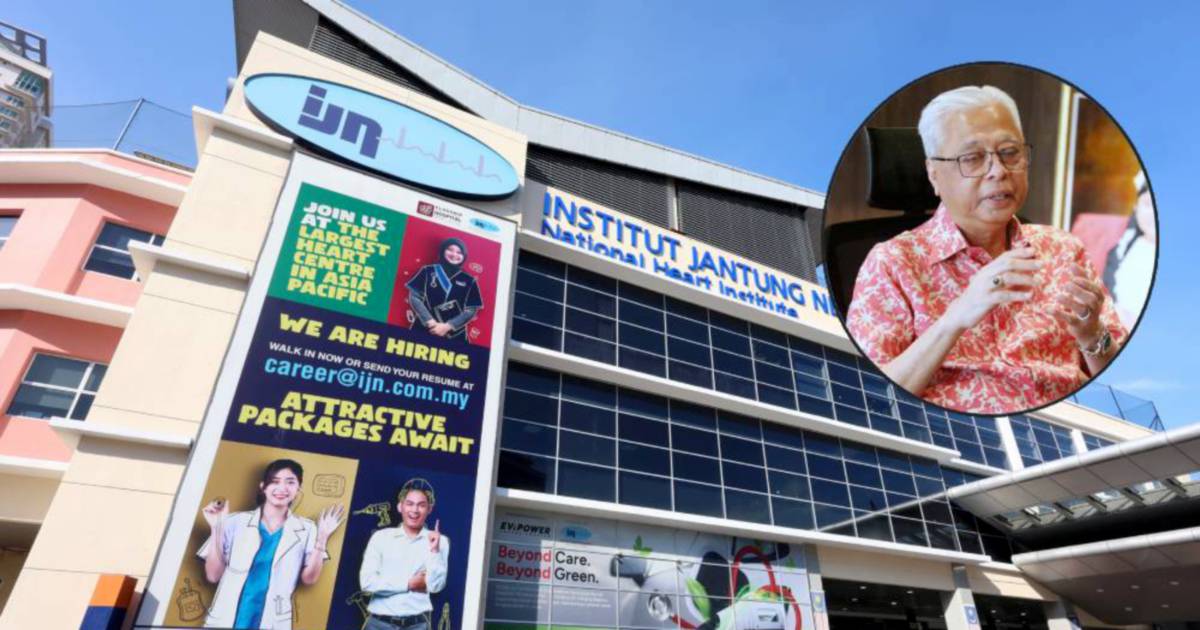
Former Prime Minister Datuk Seri Ismail Sabri Yaakob has completed a successful implantation of a leadless pacemaker at the National Heart Institute (IJN) in Kuala Lumpur, following his admission for treatment of an irregular heartbeat. The procedure, which represents one of the more advanced interventions in modern cardiology, addresses a condition affecting the electrical signals that regulate heart function. The former leader, who served as Prime Minister from 2021 to 2022, was hospitalised after medical assessments identified abnormalities in his cardiac rhythm that warranted intervention.
Leadless pacemakers represent a significant technological advancement compared to traditional devices. Unlike conventional pacemakers that require leads—thin wires running from the generator to the heart—leadless models are self-contained units implanted directly within the heart chamber itself. This design eliminates several complications associated with traditional leads, including lead fractures, infections, and the need for multiple replacement surgeries over a patient's lifetime. The technology has gained adoption across major medical centres globally, including at IJN, which maintains standards comparable to international cardiology facilities.
Ismail Sabri's condition, an abnormal heart rhythm, encompasses various arrhythmias that can range from benign to life-threatening. When such conditions become symptomatic or pose risks of complications such as stroke or heart failure, medical teams typically recommend pacemaker implantation to regulate cardiac function. The decision to proceed with intervention suggests that medical professionals determined his specific rhythm disorder warranted active management rather than observation alone. The successful completion of the procedure indicates that the implantation went without major complications and that the device has been properly positioned and tested before closure.
Recovery from pacemaker implantation generally follows a predictable course, though individual timelines vary based on factors including the patient's overall health, age, and any coexisting conditions. Medical guidance typically emphasises restricted physical activity during the initial healing phase, which usually spans several weeks. During this period, patients must avoid strenuous exercise, heavy lifting, and activities that could strain the implantation site. Ismail Sabri's medical team has advised him to prioritise rest, a standard recommendation that reflects best practices in post-procedural cardiac care aimed at ensuring optimal integration of the device and complete wound healing.
The former Prime Minister's hospitalisation and treatment underscore the unpredictable nature of health challenges that can affect public figures and citizens alike, regardless of previous status or position. While Ismail Sabri has been out of formal political office since August 2022, his prominence in Malaysian politics and recent parliamentary activities have maintained his public profile. His health situation is likely to generate widespread public interest and concern among supporters and political observers who have followed his career spanning several decades in government and politics.
The National Heart Institute, where Ismail Sabri received treatment, stands as Malaysia's premier cardiac centre. Established as a specialist institute, IJN serves as the reference hospital for complex heart conditions and advanced interventional procedures across the country. The institute conducts thousands of pacemaker implantations annually and maintains a track record of outcomes consistent with leading cardiac centres in the region. Patients from across Malaysia and neighbouring countries often seek treatment at IJN, reflecting its reputation and the expertise of its medical teams.
Ismail Sabri's successful procedure carries broader implications for public awareness regarding cardiac health and the availability of advanced treatments within Malaysia. Many individuals experiencing heart rhythm disorders may delay seeking medical attention due to limited awareness of treatment options or misconceptions about the risks involved. High-profile cases where public figures undergo successful cardiac interventions can serve an important public health function by destigmatising such conditions and encouraging timely medical consultation among the general population.
The implantation of a pacemaker typically extends a patient's quality of life substantially, allowing a return to normal activities after the recovery period concludes. Most pacemaker recipients can resume work, exercise, and social engagement within weeks to a few months of the procedure, though specific recommendations depend on individual circumstances and the type of activities involved. For public figures like Ismail Sabri, the timeline for resuming parliamentary duties or public appearances will likely depend on clearance from his medical team and his own assessment of readiness to return to such demanding roles.
Long-term management of pacemaker patients involves regular follow-up appointments to ensure proper device function and to monitor the underlying cardiac condition. Modern pacemakers can be checked remotely using wireless technology, allowing physicians to assess device performance and battery status without requiring in-person clinic visits for routine checks. These remote monitoring capabilities have improved care efficiency and patient convenience, particularly important for prominent individuals juggling multiple commitments. Ismail Sabri will likely remain under the care of IJN's cardiac specialists for ongoing monitoring and management of his pacemaker and underlying heart condition.

