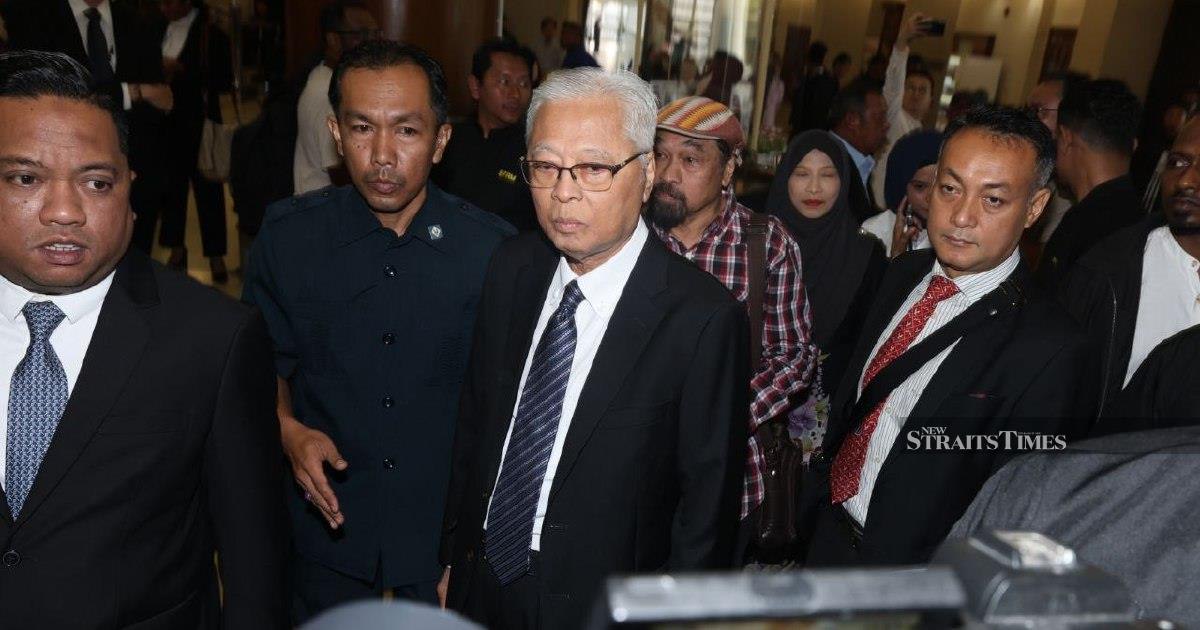
Former Prime Minister Datuk Seri Ismail Sabri Yaakob departed the court complex here following the posting of a RM300,000 bail bond by his son, concluding his appearance in what represents the latest chapter in legal proceedings involving the veteran politician. The bail arrangement signals a temporary reprieve in his custody situation, though it underscores the escalating legal pressures facing one of Malaysia's most prominent recent political figures.
The bail sum of RM300,000 reflects the seriousness with which the court has approached this case, a figure substantial enough to underscore judicial concerns while remaining accessible to the former leader's family. The decision to have his son serve as the surety demonstrates the continuing involvement of his immediate family in managing the implications of these legal developments. This arrangement is not uncommon in Malaysian jurisprudence, where close relatives often fulfil surety obligations in cases involving high-profile individuals.
Ismail Sabri's legal travails represent a dramatic reversal of fortune for a politician who held the nation's highest office. His tenure as Prime Minister, though relatively brief, positioned him at the centre of Malaysian politics during a tumultuous period. The contrast between his former executive authority and his current courtroom appearances highlights the unpredictable trajectory that political careers in Malaysia can take following the loss of office.
The posting of bail typically indicates that court authorities have determined there are sufficient grounds to proceed with charges, though the exact nature of the legal accusations remains a matter of public concern and speculation. For a figure of Ismail Sabri's stature, such court appearances carry implications beyond the individual case, reflecting broader questions about political accountability and the application of legal systems to former state leaders.
The involvement of family members in securing bail raises considerations about the personal and financial dimensions of political legal disputes. The RM300,000 commitment by his son represents not merely a financial transaction but a formal legal undertaking, binding the family to ensure Ismail Sabri's continued compliance with court orders and attendance at subsequent proceedings.
For Malaysian observers following high-profile legal cases, this development continues a pattern of former political leaders facing judicial scrutiny following their departure from office. The bail conditions will likely impose restrictions on Ismail Sabri's movements and activities, potentially limiting his ability to engage in political discourse or public appearances pending resolution of the underlying matters.
The courtroom scene also reflects the intense media interest surrounding Ismail Sabri's legal situation. As a former head of government, his appearances attract substantial coverage, and the public documentation of such moments shapes broader perceptions about governance, accountability, and the treatment of prominent political figures within Malaysia's legal framework.
This bail arrangement sets the stage for subsequent court hearings, where the substantive matters underlying these proceedings will presumably be addressed. The interim period before such hearings will likely be marked by legal preparations and discussions among Ismail Sabri's defence team regarding strategy and potential developments in his case.
The broader political implications of Ismail Sabri's legal position extend beyond his personal circumstances. His situation may influence ongoing discussions within political circles about transitional justice, the retrospective application of legal scrutiny to former administrations, and the mechanisms through which Malaysia's political system manages succession and accountability.
For Southeast Asian observers, Ismail Sabri's case provides insight into Malaysian legal procedures and the region's approaches to addressing alleged misconduct by former political leaders. The handling of such cases reflects evolving standards around political accountability across ASEAN democracies and developmental states.
The posting of bail does not resolve the underlying legal matters, merely establishing the terms under which Ismail Sabri will remain free pending further court action. His subsequent conduct and the progress of his case will continue to attract attention from legal observers, political analysts, and media outlets tracking developments within Malaysia's judicial and political landscape.

