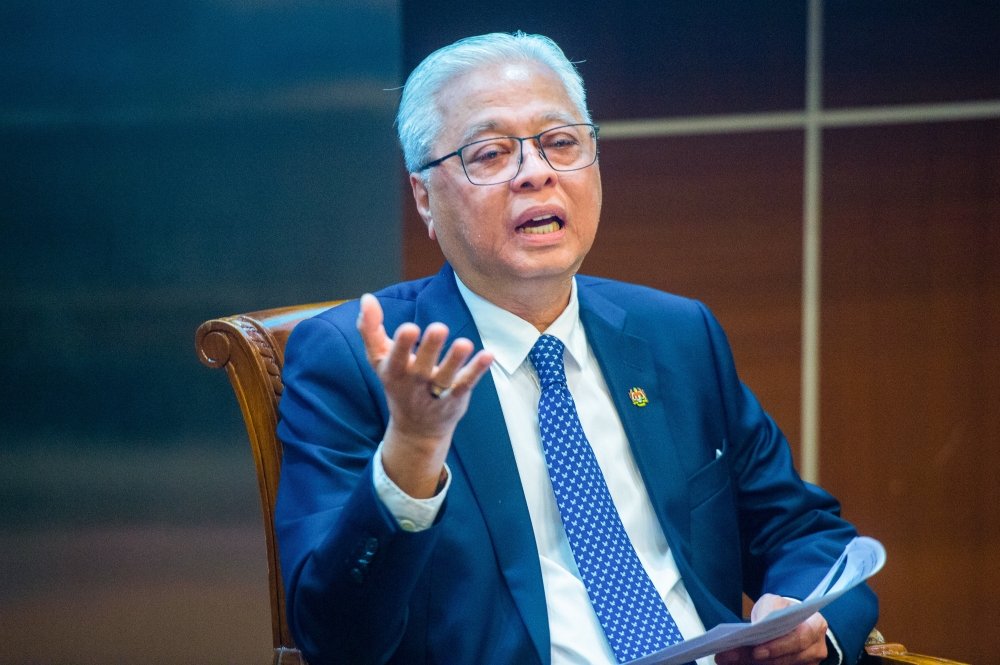
Former Prime Minister Datuk Seri Ismail Sabri Yaakob is in stable condition after undergoing successful pacemaker implantation at the National Heart Institute (IJN) in Kuala Lumpur. The surgical procedure, which was completed as planned, marks an important medical milestone for the 65-year-old politician who served as the country's eighth Prime Minister from August 2021 to November 2022.
The implantation of a pacemaker—a battery-powered device that regulates abnormal heart rhythms—represents a routine but significant intervention for patients experiencing cardiac conduction problems. Medical professionals at IJN, Malaysia's leading cardiac care facility, carried out the procedure with the precision and expertise expected of the institution, which has established itself as a centre of excellence for heart and lung treatments across Southeast Asia. The successful completion of the operation provides reassurance regarding Ismail Sabri's health trajectory moving forward.
Pacemakers function by monitoring the heart's electrical activity and delivering therapeutic stimulation when necessary to maintain an appropriate heart rate. For patients diagnosed with conditions such as bradycardia—abnormally slow heartbeats—or certain types of arrhythmias, the device proves essential for improving quality of life and preventing serious complications. The technology has evolved considerably over recent decades, with modern pacemakers offering improved battery longevity and reduced invasiveness compared to earlier generations.
The National Heart Institute, a leading quaternary healthcare institution under the Ministry of Health, has handled thousands of cardiac interventions annually. Its cardiac team comprises specialists trained in minimally invasive techniques, which typically result in faster recovery times and reduced post-operative complications. The success of Ismail Sabri's procedure reflects both the patient's overall health status and the technical competence of the surgical team involved.
Following implantation, patients typically require a period of observation and monitoring to ensure proper device function and to allow the surgical site to heal appropriately. The confirmation of stable condition suggests that Ismail Sabri is responding positively to the intervention and that initial post-operative assessments have proven satisfactory. Such swift recovery milestones are encouraging indicators for patients facing cardiac procedures, particularly those in their mid-sixties.
The episode highlights broader healthcare considerations for Malaysia's political leadership and senior public figures. Cardiovascular disease remains among the leading causes of morbidity and mortality in Malaysia, affecting individuals across all socioeconomic strata. Ismail Sabri's willingness to address his cardiac health proactively underscores the importance of regular medical screening and prompt intervention when necessary—a message with resonance for older Malaysians and those with cardiovascular risk factors.
From a political perspective, Ismail Sabri stepped down as Prime Minister in October 2022, yielding to Datuk Seri Anwar Ibrahim. Since then, he has remained a prominent figure within the United Malays National Organisation (UMNO), serving in various parliamentary and party capacities. The news of his successful surgery will likely be welcomed by his political colleagues and supporters, ensuring his continued participation in Malaysia's political landscape. His recovery trajectory will be closely monitored by observers within both government and opposition circles.
The cardiac intervention also draws attention to the quality of healthcare infrastructure available within Malaysia's public system. The National Heart Institute's reputation for excellence has been built through sustained investment in technology, training, and specialist recruitment over several decades. For ordinary Malaysians seeking cardiac care, the success stories of prominent patients like Ismail Sabri provide confidence in the capabilities of public health institutions, though access and waiting times remain variable across the country.
Looking ahead, Ismail Sabri will require ongoing cardiology follow-up and regular device monitoring appointments to ensure optimal functioning. Lifestyle modifications, including adherence to prescribed medications and appropriate physical activity within medical guidelines, will be essential to maximise the pacemaker's benefits. The device itself will require eventual replacement when its battery depletes, typically after seven to ten years, depending on usage patterns.
The incident also underscores the importance of health awareness among Malaysia's ageing political establishment. As the median age of both the general population and political leadership continues to rise, cardiovascular health management becomes increasingly relevant. Ismail Sabri's public recovery process may serve an educational function, normalising discussion around cardiac conditions and encouraging other individuals experiencing similar symptoms to seek timely medical attention rather than delaying intervention.
Medical authorities at IJN have not disclosed specific details regarding the underlying cardiac condition that necessitated the pacemaker implantation, respecting patient privacy conventions. However, the straightforward nature of the procedure and the rapid achievement of stable status suggest that the intervention was timely and appropriate. For Ismail Sabri, this successful surgical outcome represents a significant checkpoint in his personal health journey, with implications extending across his political career and public responsibilities.

