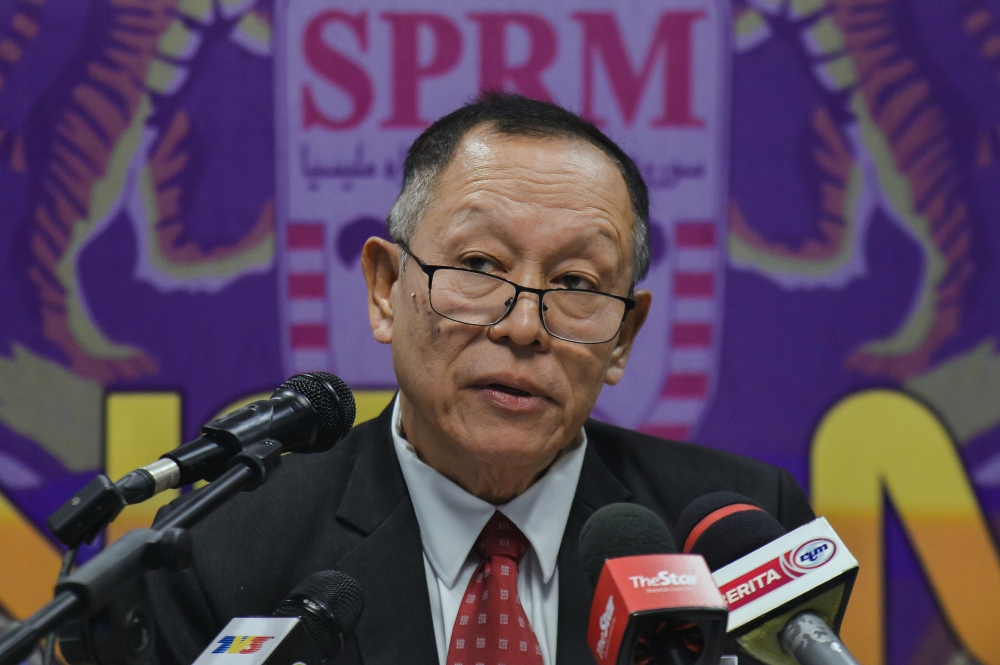
The Malaysian Anti-Corruption Commission has arrested the former chief executive and chief financial officer of a prominent plantation firm following an investigation into alleged abuse of power linked to a RM370 million deal. The detentions, made in Kuala Lumpur on August 5, represent the latest high-profile action by the anti-graft agency as it continues to scrutinise corporate governance practices within Malaysia's substantial plantation sector.
The two senior executives are suspected of exploiting their positions to facilitate the transaction, which has drawn regulatory attention over concerns about proper procedure and potential conflicts of interest. While the MACC has not disclosed the specific nature of the alleged impropriety, sources familiar with the investigation suggest the probe centres on whether appropriate board approvals were obtained and whether the deal offered fair value to the company and its shareholders. The RM370 million figure represents a substantial commitment of corporate resources, making the governance questions particularly significant.
Plantation companies hold substantial economic importance within Malaysia's primary industries sector, with operations spanning across the country and generating considerable employment. The sector has faced periodic scrutiny over environmental practices, labour standards, and corporate accountability. This latest investigation underscores ongoing tension between rapid commercial expansion and the regulatory frameworks designed to protect shareholder interests and ensure transparent decision-making at senior management levels.
The MACC's intervention signals heightened attention to how major capital allocation decisions are made within Malaysia's public and private enterprises. Abuse of power allegations in corporate contexts typically involve executives circumventing established governance procedures, failing to disclose material information to boards or shareholders, or prioritising personal or related-party interests over legitimate corporate objectives. These investigations carry implications beyond individual companies, as they influence boardroom culture and executive accountability across Malaysian business.
The detention of C-suite executives in high-value transactions reflects the MACC's mandate to investigate corruption across both government and the private sector. In recent years, the commission has expanded focus on corporate malpractice, recognising that large-value deals present particular vulnerability to misconduct. The public visibility of such arrests also serves a deterrent function, signalling to other executives that significant transactions will face scrutiny if procedural safeguards appear compromised.
For shareholders and stakeholders in the wider plantation industry, such investigations raise important questions about internal controls and the effectiveness of audit mechanisms. Major transactions of this scale typically require multiple approval layers, including board sign-off and potentially shareholder votes depending on corporate structure and listing requirements. Allegations suggesting these safeguards were bypassed would represent serious governance failures with potential consequences for company valuation and investor confidence.
The timing and nature of this case also reflects Malaysia's ongoing efforts to strengthen corporate governance standards. The country has progressively tightened regulations around related-party transactions, enhanced audit requirements, and increased penalties for executives found to have breached their fiduciary duties. Regulatory bodies including the Securities Commission have introduced measures to improve transparency and reduce opportunities for misconduct, though enforcement remains a persistent challenge across the region.
The investigation will now proceed through MACC processes, which may include extended detention for questioning, submission of evidence to prosecutors, and eventually potential charging decisions. If the allegations are substantiated and lead to criminal charges, the case could result in convictions carrying imprisonment and financial penalties. Beyond criminal consequences, the company itself may face civil actions from shareholders seeking recovery of losses or remediation of governance failures.
This development carries broader implications for foreign investors and multinational corporations operating within Malaysia's plantation sector. International stakeholders increasingly scrutinise governance standards and corruption risks when making investment decisions, and high-profile prosecutions can either reassure investors that systems work or raise concerns about institutional instability. The outcome of this investigation will likely influence how foreign entities structure operations and allocate capital within Malaysian plantation ventures.
The case also demonstrates the MACC's resource allocation priorities in its anti-corruption mandate. While the commission faces substantial demands across government and public sector investigations, dedicating investigative capacity to corporate transactions indicates recognition that large-value private sector deals merit comparable scrutiny to public procurement and government contracts. This approach reflects evolving global standards on corruption prevention, which increasingly encompass private commercial activity alongside traditional public sector focus.
For the executives involved, the detention initiates a legal process that will determine factual culpability and potential liability. Malaysian law provides various defences and procedural protections for accused persons, and outcomes depend substantially on evidence strength and witness testimony. The case will likely attract significant attention from corporate governance advocates, business media, and industry observers monitoring enforcement trends.

