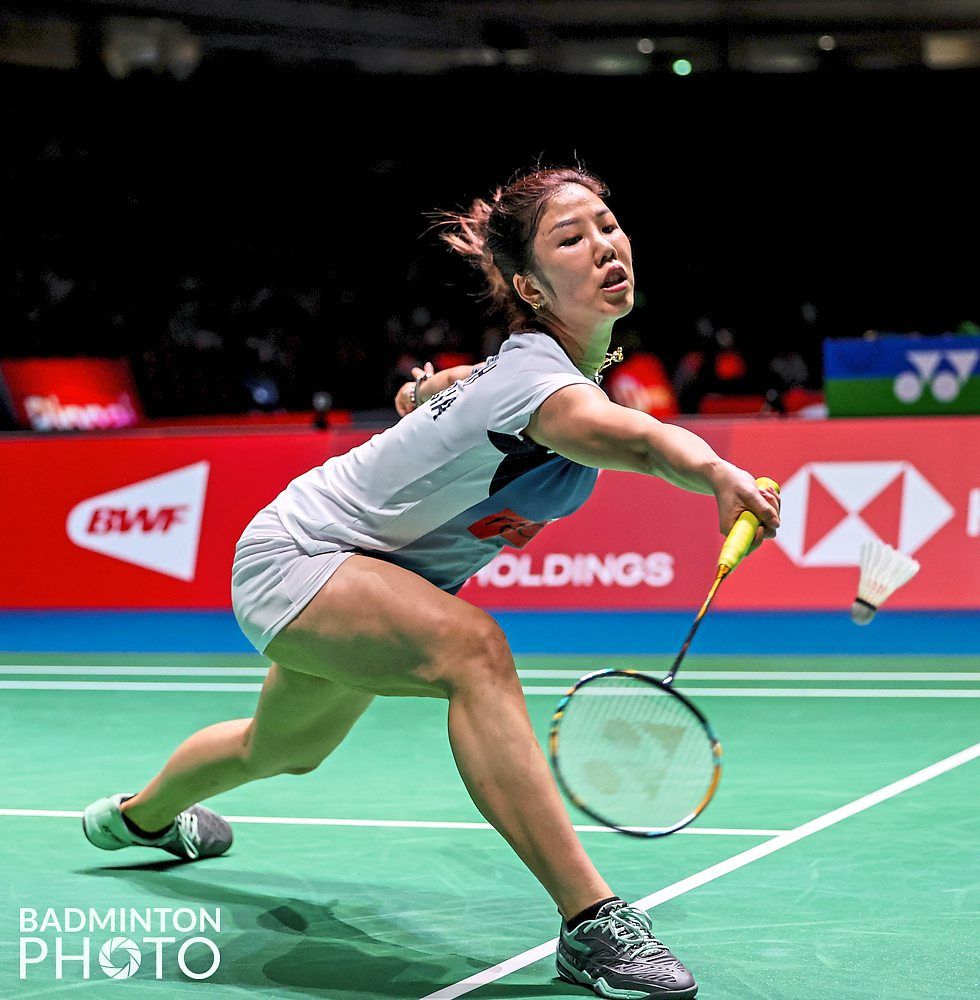
Soniia Cheah, a former national women's singles badminton champion, has ended her tenure as sports director at the Kuala Lumpur Badminton Association after a remarkably brief four-month stint. The 33-year-old's resignation took effect Wednesday, marking an unexpectedly swift departure from a position she assumed in February on a one-year contract. Her exit signals potential internal discord within one of Malaysia's prominent badminton associations and raises questions about governance and operational standards in the sport at a grassroots and developmental level.
While Cheah refrained from providing specific details about the circumstances surrounding her decision, she acknowledged the gravity of stepping away from the role. In a statement, she indicated that her departure stemmed from a fundamental disagreement over certain operational matters within the association. The vagueness of her public comments suggests either confidentiality considerations or a desire to avoid escalating tensions, though it underscores that the issues were substantial enough to warrant her resignation rather than continued engagement.
Cheah articulated her position with measured clarity, emphasizing that her core values as a former national player had become incompatible with continuing in the sports director capacity. She stated that as someone deeply invested in badminton's development, compromising on her principles while overseeing player development would have been untenable. This framing suggests concerns relating to how the association manages its affairs, treats athletes, or allocates resources—areas where someone with competitive playing experience might hold strong convictions about best practices.
Importantly, Cheah took pains to frame her resignation as a personal stand rather than a personal grievance with any individual member of the association's leadership. This distinction matters because it suggests systemic or procedural concerns rather than interpersonal conflict. For a young sports administrator, willingly sacrificing a formal position to maintain ethical consistency demonstrates professional integrity, though it also reflects the difficult balance between institutional loyalty and personal conviction that often confronts former athletes transitioning to administrative roles.
She expressed hope that her departure would prompt the Kuala Lumpur Badminton Association to undertake a comprehensive review of its operations and address the underlying concerns she identified. This suggests an implicit invitation for the organization to examine its practices, though whether the association will respond constructively remains to be seen. In Malaysian sports governance, such situations sometimes catalyze improvement, while in other instances they become footnotes in organizational history with limited lasting impact.
Despite the brevity of her tenure, Cheah maintained positive regard for the athletes she worked with during her time in the role. Her final official engagement came at the Affin 100Plus Junior Elite Tour Finals held last week at Stadium Juara in Bukit Kiara, where she concluded her involvement with the Kuala Lumpur squad on professional terms. This suggests she maintained professional relationships with players even as she grappled with disagreements at the administrative level, a distinction that speaks to her commitment to youth development regardless of institutional challenges.
Cheah's career trajectory provides context for her principled stand. She rose to become Malaysia's top-ranked women's singles shuttler and earned selection to represent the country at the Tokyo Olympics, achievements that underscore her deep understanding of what elite badminton development requires. Following her retirement in 2022 after years of struggling with a persistent Achilles tendon injury, her transition into sports administration appeared a natural progression for someone with her competitive pedigree and experience navigating elite sporting environments.
Her appointment to the sports director position in February came against the backdrop of Malaysian badminton's broader ecosystem, where the sport remains culturally significant and organizationally complex. The Kuala Lumpur Badminton Association operates as a crucial development pathway, particularly for junior and emerging elite players. Leadership positions within such organizations carry considerable responsibility for shaping young athletes' experiences and competitive trajectories.
The timing of Cheah's resignation raises broader questions about the state of badminton administration in Malaysia's federal territories. Four months represents a minimal tenure for any substantial operational role, suggesting that either the position's realities diverged significantly from expectations, or that Cheah encountered unanticipated challenges shortly after assuming office. Either scenario warrants scrutiny from stakeholders invested in ensuring that player development pathways operate with both integrity and competence.
For Malaysian badminton more broadly, Cheah's departure underscores the importance of establishing transparent governance frameworks and ethical standards within sporting associations. When accomplished former athletes like Cheah choose to step away rather than compromise, it signals that foundational issues may require attention. The coming weeks will reveal whether the Kuala Lumpur Badminton Association treats her resignation as a wake-up call for institutional reflection or as a regrettable but isolated personnel matter.
Cheah's decision also carries implications for other former athletes considering administrative roles in Malaysian sports. Her experience suggests that the transition from competitive to administrative spheres can involve unexpected professional challenges, and that maintaining personal values may sometimes require difficult choices about career positions.

