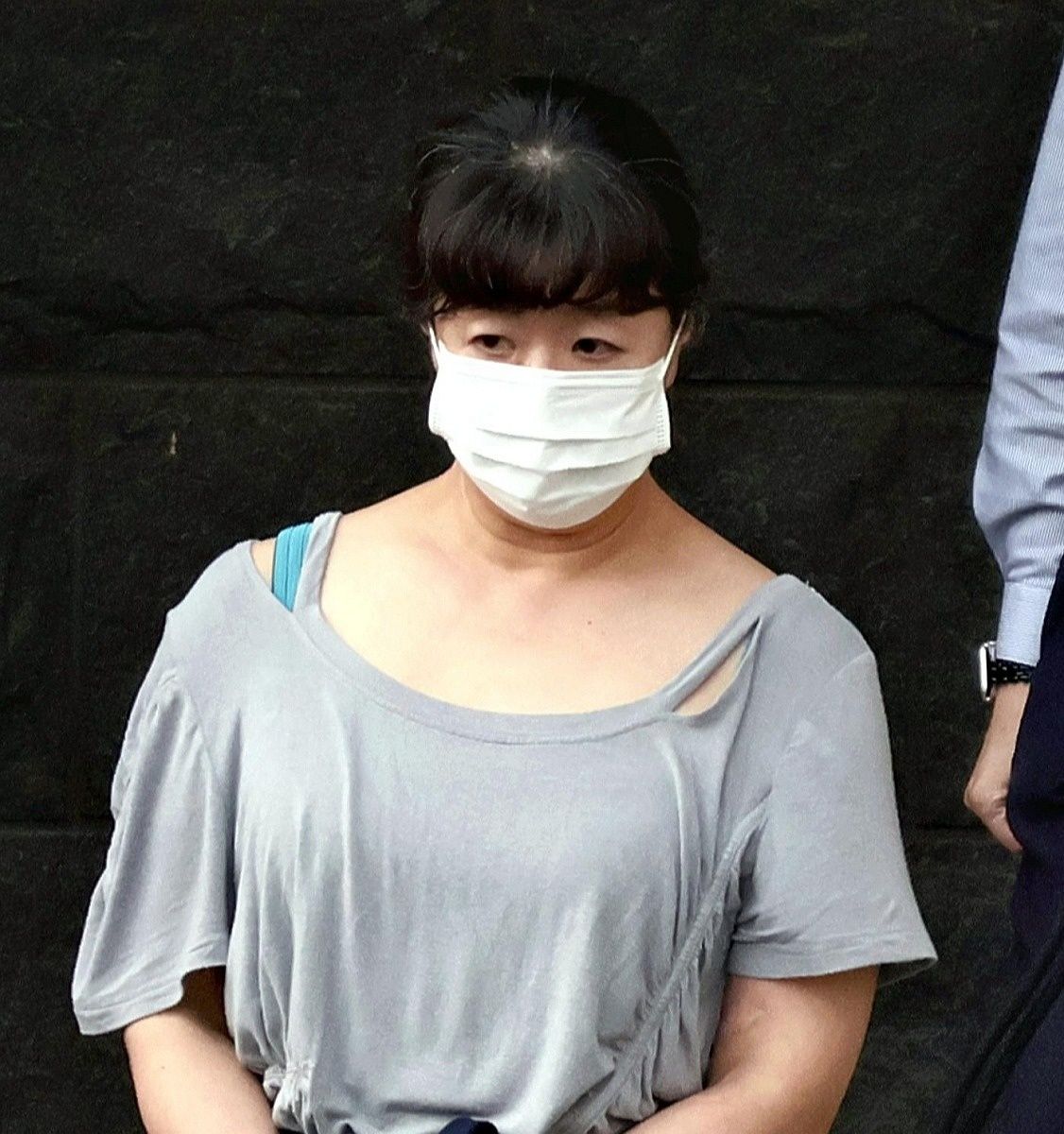
A 51-year-old former nurse in Chiba Prefecture, Japan, has been arrested on suspicion of killing a 75-year-old patient through deliberate contamination of his medical equipment. The case, which unfolded in late January at Kashiwa Tanaka Hospital, highlights alarming vulnerabilities in patient safety and staff oversight at medical institutions, with potential implications for hospitals throughout the region seeking to strengthen protective measures.
Miyuki Furukawa, who held the position of head nurse during the night shift at the Kashiwa facility, is accused of introducing foreign matter into the intravenous extension tube of patient Eiji Aida on January 30 at approximately 3:55 am. Security camera footage from the hospital shows Furukawa entering and leaving the patient's room during the relevant timeframe. Aida's condition deteriorated sharply shortly thereafter, and he was pronounced dead roughly 19 hours later on January 31. Medical examiners determined that multiple organ failure triggered by sepsis caused his death, with laboratory analysis confirming the presence of bacteria characteristic of human faecal matter in his bloodstream.
Furukawa has denied the allegations against her, stating unequivocally that she did not introduce any substance into the medical tubing. However, the investigative record presents a troubling narrative that contradicts her public statements. A colleague at Kashiwa Tanaka Hospital, observing discolouration within the IV extension tube, alerted police on February 1 with concerns that a foreign substance had been inserted. This initial alert prompted authorities to launch a formal investigation that would eventually lead to Furukawa's arrest on July 15.
The case takes on a more sinister dimension when examining digital evidence uncovered during the police inquiry. Investigators discovered that Furukawa had conducted smartphone searches for the phrase "faeces injection — Will [he] die?" at some point prior to or around the time of the incident. Such online activity, combined with witness testimony and security footage, strengthened the prosecution's case substantially. Additionally, police learned that Furukawa and Aida had engaged in an argument, though the precise nature and timing of their disagreement remain under investigation.
Furukawa's employment history reveals another troubling detail: she departed from Kashiwa Tanaka Hospital at the end of February, roughly one month after the incident that resulted in Aida's death. At the time of her arrest, she was working as a midwife at a separate hospital in Tokyo, placing her in a position of trust caring for vulnerable patients and newborns. This transfer of employment, occurring shortly after the suspicious circumstances surrounding Aida's death, underscores potential gaps in inter-institutional communication and background screening practices that may exist within Japan's healthcare system.
The incident carries profound implications for patient safety culture across East Asia, where hospital-acquired infections and lapses in clinical supervision remain persistent challenges. Medical institutions in Malaysia, Singapore, and other regional nations have invested considerably in infection control protocols and staff credentialing systems, yet cases like this underscore the difficulty of preventing determined individuals from circumventing safeguards. The deliberate nature of the alleged act—involving premeditated research and calculated execution—suggests that conventional administrative oversight may be insufficient to prevent malicious conduct by personnel with legitimate access to patients.
Aoikai, the organization responsible for operating Kashiwa Tanaka Hospital, responded to the case with a strongly worded statement acknowledging the gravity of the allegations and distancing itself from the alleged conduct. The organization declared the purported actions "absolutely unforgivable" both from an institutional and humanistic perspective, while affirming its commitment to cooperating fully with police investigations and assisting authorities in establishing the complete facts surrounding the incident. Such public statements, while appropriate, cannot mitigate the reputational and operational damage inflicted upon the facility and the broader healthcare sector.
Chiba prefectural police continue to pursue a thorough investigation into Furukawa's motivations and the precise circumstances of her alleged actions. Understanding why a healthcare professional with years of experience would target a specific patient remains a critical question for investigators. The argument between Furukawa and Aida may provide context, though law enforcement has not yet disclosed substantive details about the nature or severity of their conflict. Similarly, whether this represents an isolated incident or part of a broader pattern of concerning behaviour by Furukawa remains unclear.
The case serves as a stark reminder that institutional credentials and professional standing offer no guarantee against individual misconduct. For Malaysian healthcare administrators and patient safety officers, the incident underscores the necessity of implementing robust systems for monitoring staff conduct in patient care areas, particularly during night shifts when supervision may be lighter. Enhanced security measures, including regular audits of medical equipment and supplies, combined with psychological screening protocols for healthcare staff, represent potential avenues for strengthening institutional defenses against such threats.
The sepsis-related death of Eiji Aida and the subsequent criminal investigation also highlight the cascading consequences of deliberate contamination of sterile medical environments. Sepsis progression can occur with devastating speed once pathogenic microorganisms enter the bloodstream through compromised intravenous lines, leaving medical teams with minimal time to respond effectively. In this case, the rapid deterioration of Aida's condition and the lethal outcome underscore both the vulnerability of hospitalized patients and the critical importance of maintaining the integrity of invasive medical devices.
As the investigation progresses, healthcare systems throughout the region will be watching closely for findings that might inform policy adjustments and training requirements. The intersection of this case with broader concerns about workplace culture, mental health support for healthcare workers, and institutional accountability suggests that the ultimate impact will extend far beyond the confines of Kashiwa Tanaka Hospital or even Japan's borders. For patients and families across Southeast Asia who entrust themselves to medical institutions, the case inevitably raises questions about the adequacy of current safeguards and whether additional protective measures are warranted.

