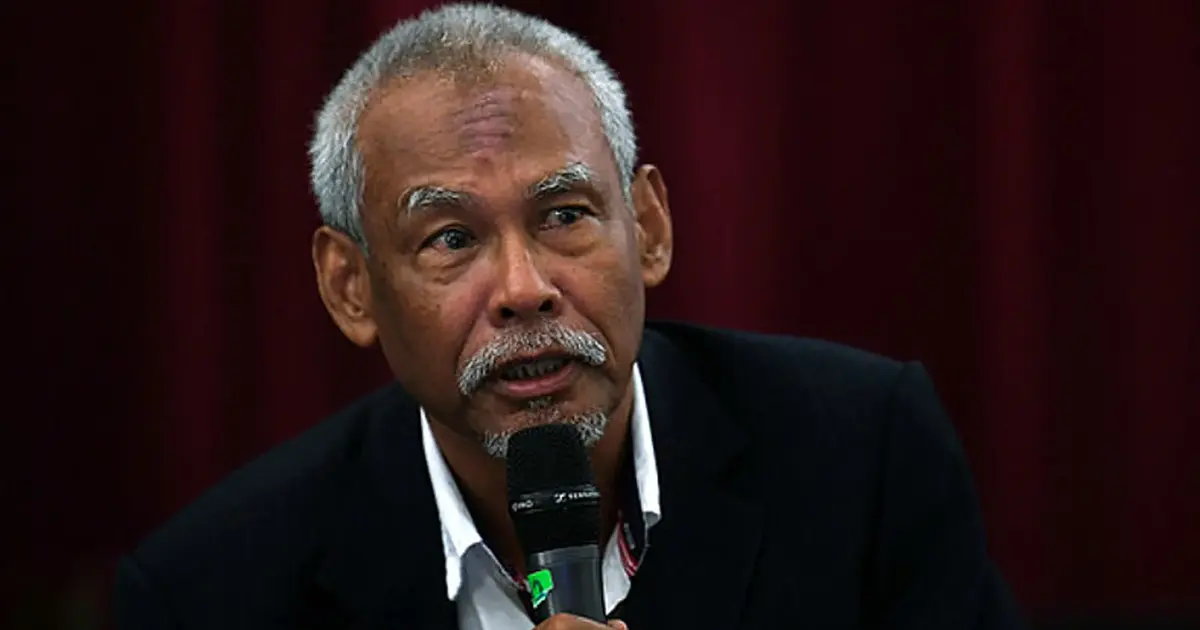
The apex court has closed the door on a significant attempt by retired Inspector-General of Police Musa Hassan to overturn a defamation lawsuit by ruling that his application for a review does not merit judicial intervention. In rejecting his petition, the nation's highest court determined that the nine legal questions he had raised—centring on public officers' eligibility to pursue defamation claims and the boundaries of freedom of speech—did not satisfy the threshold for reconsideration of the underlying judgment.
Musa Hassan's challenge represented a high-stakes effort to revisit foundational legal principles governing the balance between protecting individual reputation and safeguarding the public interest in scrutinising those in power. His legal arguments aimed to establish that holders of senior public office, particularly security sector leaders, operate under different constraints regarding personal defamation claims. The rejection signals that Malaysia's judicial apex considers these questions to have been adequately resolved through existing jurisprudence, without requiring fresh examination at the highest level.
The decision carries implications for how Malaysian public discourse functions, particularly regarding accountability and criticism of government officials and law enforcement. Public figures in positions of authority—especially those in sensitive roles like policing—have historically wielded defamation suits as a tool to respond to allegations about their conduct and character. The court's refusal to grant Musa Hassan a platform to challenge the underlying defamation verdict suggests that judges believe current legal frameworks already appropriately balance these competing interests.
Musa Hassan's tenure as IGP from 2003 to 2008 was marked by both significant security achievements and controversies surrounding police conduct and allegations of abuse of power. His post-retirement years have involved several legal entanglements, including international scrutiny and domestic legal proceedings. This defamation case appears connected to public statements made about his record and actions during his time leading the police force, with the original lawsuit brought by another party seeking damages for alleged damage to reputation.
The rejection of a review application at Malaysia's apex court is typically a matter of the highest court determining that previous rulings do not require reconsideration based on the grounds presented. Musa Hassan's nine questions would have required the court to overturn or substantially modify its stance on whether public officers retain full defamation rights, how freedom of expression intersects with libel law, and whether public interest considerations create exceptions or limitations to defamation claims by state officials. The court's silence on these matters—by declining to hear the review—preserves the existing legal position.
For Malaysian civil society and media practitioners, the implications warrant careful consideration. Journalists and commentators who report on police conduct and senior officials' actions must continue navigating a legal landscape where defamation remains a genuine risk. Unlike jurisdictions where public figure doctrine significantly curtails defamation liability for statements on matters of public interest, Malaysia's approach has historically required defendants to prove truth or qualified privilege with considerable precision. This latest ruling does not appear to have shifted that balance substantially in favour of greater freedom to criticise public officials.
The case also reflects ongoing tensions within Malaysia's legal system regarding the rights of retired senior officials. Once individuals leave public office, they may retain the same defamation protections as private citizens, yet their prior positions and actions remain matters of legitimate public interest. The court's decision to refuse Musa Hassan's review suggests that existing legal frameworks adequately address this tension, without requiring new judicial pronouncements on the matter.
International observers and human rights organisations have long scrutinised Malaysia's defamation law as potentially chilling free expression. The UN Mandates on Freedom of Opinion and Expression have previously raised concerns about overly restrictive libel frameworks that discourage legitimate reporting on governance and security sector accountability. Musa Hassan's failed attempt to secure a judicial review at the apex court level suggests these concerns remain relevant to Malaysia's legal landscape.
The finality of the apex court's rejection means that the original defamation judgment against Musa Hassan now stands without prospect of further challenge through the ordinary court system. This may prompt reflection within law enforcement and government circles about legal strategies for responding to criticism and allegations. The judgment implicitly reaffirms that Malaysia's courts expect public figures to tolerate greater scrutiny and criticism than private citizens, even if the defamation framework does not formally recognise a public figure doctrine as extensively as common law jurisdictions like Australia or the United States.
For Musa Hassan personally, the ruling forecloses a significant legal avenue for rehabilitating his reputation through the courts. His only remaining options would involve political or public relations campaigns to reshape his legacy, rather than judicial vindication. The case underscores that even Malaysia's most powerful former officials, once they depart office and face defamation suits, must ultimately accept the finality of civil court judgments when higher courts decline to intervene.
The broader significance lies in what the rejection preserves: a legal status quo that continues to position Malaysia's approach to defamation somewhere between highly speech-protective common law traditions and more restrictive civil law regimes. Public officials retain meaningful defamation rights, journalists and critics face genuine legal jeopardy when making allegations, and the burden of proof falls substantially on defendants to demonstrate truthfulness or qualified privilege. Musa Hassan's failed appeal effectively validates this balance, at least in the eyes of the nation's highest court.

