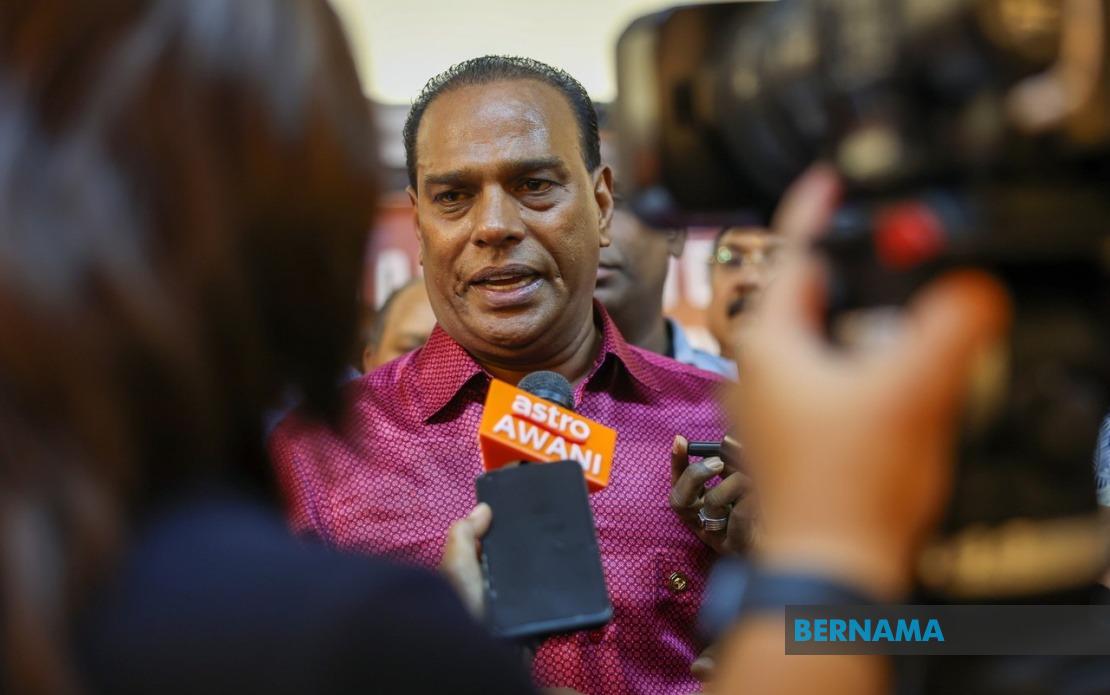
Datuk Seri M. Saravanan, the former Human Resources Minister and current Tapah MP, has publicly acknowledged that he will appear before the Sessions Court tomorrow to face charges arising from his alleged involvement in foreign worker recruitment matters during the pandemic. The development marks a significant moment in a legal saga that has drawn intense scrutiny to governance and employment practices during Malaysia's COVID-19 response period.
The charges against Saravanan originate from allegations centred on the hiring of foreign workers in 2022, a period when Malaysia was navigating complex labour market challenges amid the pandemic. These allegations came to light through a third-party statement, though the evidentiary foundation of the case has become complicated by subsequent developments. The former minister has maintained his innocence, characterising the initial allegations as stemming from an individual whose credibility has now been undermined by circumstance.
A crucial wrinkle in the case emerged when the person who initially made the statement linking Saravanan to the foreign worker controversy passed away two months ago. Following this death, another individual involved in the matter filed a Statutory Declaration explicitly withdrawing the allegations that had previously implicated the former minister. This sequence of events has created a complex legal landscape, with Saravanan's defence centring on the proposition that the foundational allegations lack solid evidentiary support.
Saravanan has strenuously denied any direct engagement with the primary witness. In a carefully worded statement released through video, he emphasised that he has never had telephone or messaging contact with the individual whose statement originated the charges. This explicit denial addresses a potential line of inquiry that prosecutors might have pursued regarding whether Saravanan had attempted to influence or pressure the witness into making allegations. By establishing distance between himself and the witness, Saravanan's team appears to be laying groundwork for a defence strategy focused on undermining the reliability and independence of the accusation.
Despite the complications surrounding witness credibility and the subsequent retraction, Saravanan has signalled his willingness to proceed with the legal process. Rather than seeking delays or postponements, he expressed determination to mount a robust defence and clear his name through court proceedings. This posture suggests confidence in his legal team's ability to challenge the prosecution's case, particularly given the evidentiary challenges created by the witness's death and the Statutory Declaration withdrawal.
The Malaysian Anti-Corruption Commission (MACC) issued a formal media invitation regarding charges to be laid against a former minister at the Sessions Court, confirming the procedural pathway for Saravanan's prosecution. The charges are expected to fall under Section 16 of the MACC Act 2009, which addresses the solicitation, receipt, giving, promising, or offering of bribes. This statutory framework suggests prosecutors are building a case around alleged corrupt practices rather than simple administrative violations, indicating the seriousness with which authorities view the allegations.
Saravanan's role as MIC deputy president adds a political dimension to the case. The Malaysian Indian Congress, a component party of the governing coalition, will likely face questions about its support for the former minister during this legal challenge. Senior party figures may need to navigate the delicate balance between standing by a colleague and maintaining institutional credibility, particularly given public sensitivity around corruption allegations affecting political leaders.
Looking ahead to tomorrow's court appearance, Saravanan's legal representatives intend to file an application requesting expedition of the trial. This strategic move aims to bring the case to resolution without unnecessary delays, potentially reflecting confidence that a prolonged legal process would only prolong the uncertainty affecting his political standing and personal reputation. Expedited trials can also reduce the opportunity for media narrative to develop unchallenged during extended proceedings.
The case carries implications extending beyond Saravanan's individual circumstances. It touches on broader questions about labour market governance during the pandemic, foreign worker management, and the mechanisms through which allegations of official misconduct are investigated and prosecuted. Malaysia's experience during COVID-19 saw significant pressures on employment systems, and any evidence of corruption in worker recruitment during this period would represent a significant breach of public trust during a period of national difficulty.
For Malaysian observers, the case illustrates both the functioning of anti-corruption institutions and the vulnerabilities in prosecutorial processes that rely heavily on witness testimony. The complications surrounding the primary accuser's death and the subsequent retraction highlight how criminal investigations can become problematic when foundational evidence proves unstable. This pattern is not uncommon in corruption cases, where individuals making allegations may later reconsider their involvement, particularly if they face counter-pressure or realise the broader implications of their participation.
The outcome of tomorrow's proceedings and the subsequent trial will carry weight far beyond Saravanan's personal fate. It will test the MACC's capacity to prosecute complex cases involving former government officials, scrutinise the court's approach to cases with compromised witness testimony, and shape public confidence in Malaysia's anti-corruption mechanisms. As Southeast Asia continues wrestling with corruption concerns and institutional accountability, the Saravanan case will attract regional attention as an example of how Malaysia manages allegations against senior political figures.

