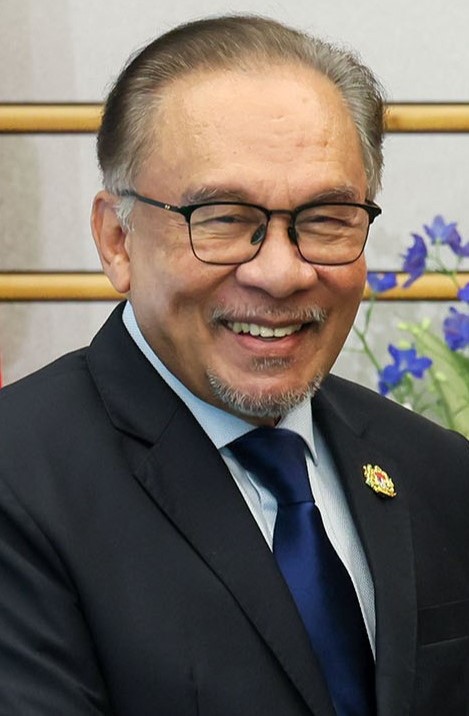
Johor's electoral landscape is set to witness significant competition as high-profile political figures, including a former health minister, prepare to contest in the state elections. Onn Hafiz Ghazi, who currently chairs the Barisan Nasional machinery in Johor and previously served as health minister, has announced his intention to defend his Machap constituency seat. His candidacy represents a critical test for Umno's revival strategy across the state, particularly given his previous ministerial experience at the federal level.
The inclusion of seasoned political figures like Onn Hafiz in Johor's electoral contests reflects broader calculations within Umno and its coalition partners regarding seat strategy and regional strongholds. As Johor BN chairman, his position carries considerable organisational weight across the state party structure, making his personal electoral performance a bellwether for coalition performance more broadly. His decision to stand for re-election rather than step aside suggests confidence in both his personal appeal and the electoral environment facing the ruling coalition.
Onn Hafiz's background as a former health minister brings substantial national profile and administrative credentials to his candidacy. This experience, combined with his current chairmanship of BN operations in Johor, positions him as a figure tasked with rebuilding coalition electoral fortunes in a state where Umno-led coalitions have faced considerable challenges in recent political cycles. The Machap seat itself represents a test of whether incumbent advantages and ministerial experience can translate into electoral success at the state level.
Johor state elections carry outsized significance within Malaysian politics, as the state represents one of the most economically important regions in the country and maintains a complex political history. The performance of established political figures like Onn Hafiz will provide important signals about the broader electoral mood among Johor voters, particularly regarding their appetite for continuity under Umno-led governance or appetite for alternatives. His candidacy thus extends beyond local constituency dynamics to encompass state-wide and even national political implications.
The return or continued participation of returnee Umno figures in Johor contests reflects the party's ongoing attempts to consolidate internal party momentum and project organisational stability. Onn Hafiz's background as an Umno member returning to active electoral contestation underscores internal reconciliation efforts and the integration of experienced party members into renewed political campaigns. This process of reintegration carries significance for how Umno manages factionalism and ensures that experienced administrators remain engaged in electoral processes.
Machap, as a parliamentary division within Johor, presents particular electoral characteristics that will shape Onn Hafiz's campaign approach. The constituency's demographic composition, economic structure, and previous voting patterns all influence the competitive dynamics his candidacy will face. Understanding local grievances and how national-level administrative experience addresses grassroots concerns becomes crucial for translating previous ministerial credentials into renewed electoral mandates at the state level.
The Barisan Nasional coalition's organisational presence in Johor, steered by figures like Onn Hafiz in his chairmanship capacity, faces the dual challenge of maintaining internal coalition discipline while simultaneously competing against opposition parties that have demonstrated growing electoral competitiveness. His personal contest for Machap represents both a test of his individual appeal and an indicator of broader coalition viability in constituencies where Umno maintains traditional support bases. The interplay between his administrative background and local voter preferences will significantly influence overall coalition performance assessments.
Johor's electoral calendar and the timing of state elections create particular urgency for coalition parties to field experienced and credible candidates capable of defending established seats. Onn Hafiz's entry into the electoral arena reflects a deliberate strategic choice to deploy senior leadership figures where coalition calculations suggest maximum returns on political investment. His former ministerial status and current organisational position combine to create a candidate profile designed to appeal across both traditional party supporters and swing voters concerned with governance quality.
The implications of Onn Hafiz's Machap contest extend to the broader regional balance within Peninsular Malaysia, where Johor maintains strategic importance for federal coalition stability. Strong state-level performance in Johor strengthens the federal government's political foundation and validates coalition governance narratives that emphasise continuity and stability. Conversely, electoral setbacks in the state would amplify internal coalition pressures and influence recalibrations across other state administrations and federal policymaking.
Looking forward, Onn Hafiz's campaign will require careful navigation of contemporary voter concerns including economic conditions, service delivery, and aspirational governance. His ability to connect former ministerial experience with tangible improvements in constituency-level conditions becomes central to electoral success. The Machap contest thus represents a microcosm of broader Malaysian electoral dynamics, where established political figures must demonstrate renewed relevance to voters navigating post-pandemic economic uncertainties and evolving political preferences.