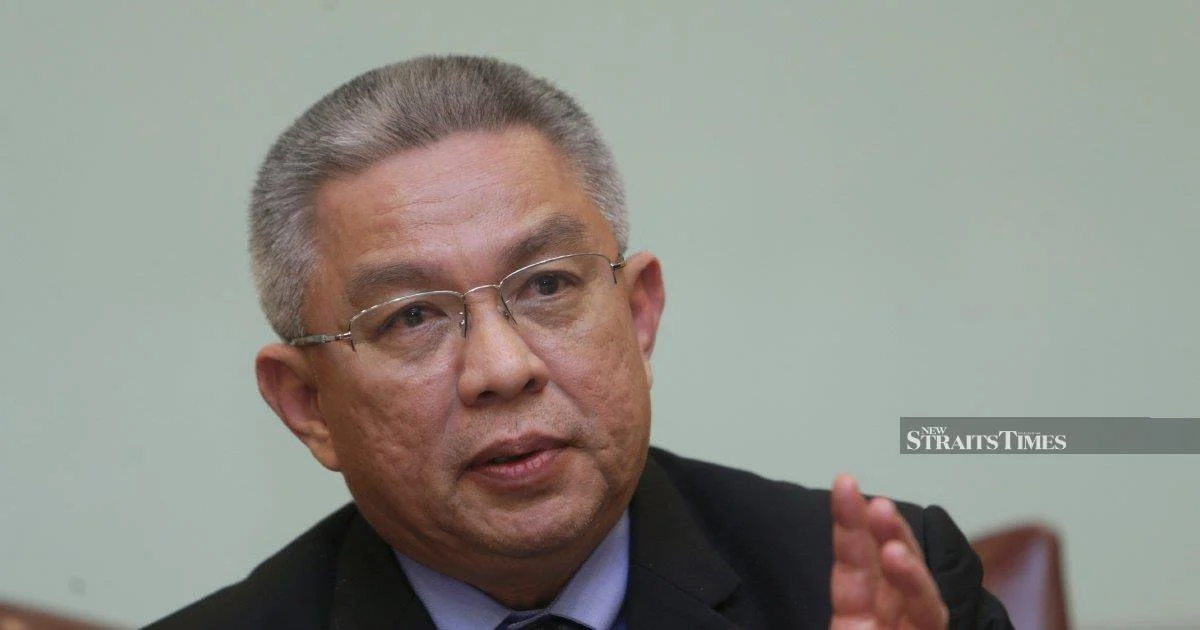
Barisan Nasional has unveiled an extensive candidate roster for the upcoming Johor state election, with 56 hopefuls representing the coalition across the state. The lineup features several politically prominent figures, most notably former health minister Datuk Seri Dr Adham Baba, whose inclusion underscores the coalition's strategy of deploying experienced personnel in a state electoral contest. Dr Adham Baba's nomination carries particular significance given his previous tenure as a Bersatu politician before his migration to the broader BN apparatus, reflecting the ongoing recalibration of political allegiances in Peninsular Malaysian politics.
Alwiyah Talib, who previously served as the Endau assemblyman, rounds out the notable candidates making comebacks on the BN ticket. Her inclusion signals an attempt by the coalition to leverage existing ground networks and political experience accumulated during prior legislative terms. The decision to bring back such figures suggests confidence in their individual electoral appeal and their capacity to mobilise existing support bases within their respective constituencies.
For Johor, a state that has witnessed considerable political volatility in recent election cycles, the composition of BN's candidate slate carries implications beyond mere numerical representation. The presence of figures with ministerial-level credentials and assembly experience indicates a deliberate effort to counter potential weaknesses in brand recognition or grassroots organisation that might have emerged during previous electoral contests. BN's performance in Johor has fluctuated significantly, making the quality of candidate selection a critical variable in determining overall electoral prospects.
Dr Adham Baba's political trajectory merits particular attention from observers tracking the broader dynamics of Malaysian coalition politics. His prior affiliation with Bersatu, the party established by former Prime Minister Mahathir Mohamad, positioned him within a distinct political tradition. His subsequent movement toward BN represents a personalised instance of the larger patterns of political consolidation and repositioning that have characterised Malaysian politics since the 2018 general election.
The decision to field such an expansive slate across Johor reflects BN's commitment to contesting substantially all available seats, an approach that demands considerable organisational capacity and financial resources. Spreading candidate nominations across 56 positions requires coordinated party machinery, strategic fund allocation, and confidence in internal candidate selection mechanisms. For voters in Johor, the breadth of BN's candidate list means that virtually every constituency will have a direct BN alternative to evaluate alongside representatives from competing coalitions.
Johor's electoral significance within Malaysian federalism cannot be overstated. As the second-largest state by population and a traditional BN stronghold prior to the 2018 earthquake that reshaped national politics, control of Johor's state assembly carries symbolic weight extending beyond purely legislative considerations. The state's economic clout, particularly given its manufacturing base and position adjacent to Singapore, makes its governance outcomes relevant to regional business confidence and investment flows. BN's performance here will provide valuable signals regarding the coalition's capacity to regain ground lost during the tumultuous years following 2018.
The inclusion of former assemblymen and ministerial figures on the BN ticket also reflects pragmatic party management. Such candidates typically possess established networks, some existing media familiarity, and demonstrated capacity to navigate electoral campaigns. Rather than relying entirely on fresh faces, BN appears to be blending experienced politicians with new entrants, a mixed strategy designed to balance continuity with rejuvenation.
For Malaysian political analysts, the 56-candidate announcement initiates a new phase of electoral scrutiny. The quality, background, and local standing of individual nominees will be dissected by political observers and competitors alike. BN's success will depend not merely on fielding candidates but on ensuring that each nominee can translate formal nomination into effective ground operations, convincing public communications, and ultimately, electoral victory.
The timing of candidate announcements and their composition frequently signal parties' confidence levels and strategic priorities. By releasing this comprehensive slate, BN demonstrates organisational readiness for a state-level contest while simultaneously inviting evaluation of the calibre and diversity of its political offerings. For Johor voters, the coming weeks will determine whether the experience and credentials represented by returning figures like Dr Adham Baba resonate with electoral sentiment or whether alternative political forces command greater appeal in the state's constituencies.