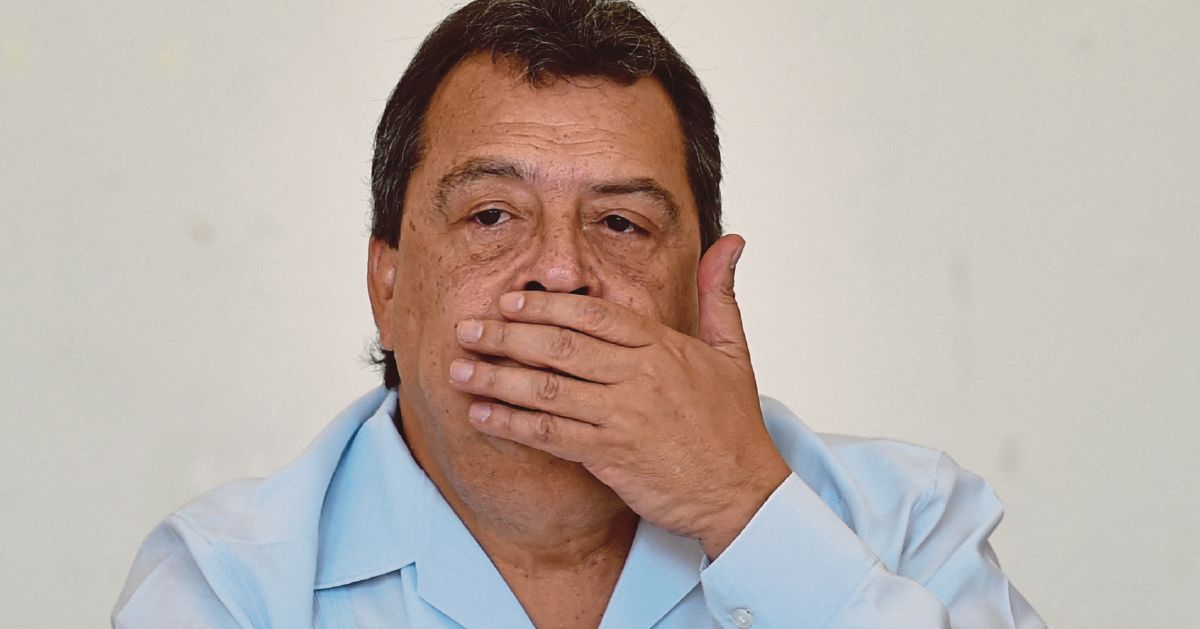
Mexican law enforcement authorities have taken into custody the former governor of Guerrero state on charges of allegedly instructing the destruction of evidence that could have illuminated the fate of 43 students who vanished in 2014, marking another significant development in one of Mexico's most emblematic cases of enforced disappearance.
The arrest represents a critical moment in the decade-long investigation into what happened to the students from Ayotzinapa Rural Teachers' College. The case has transcended Mexico's borders to become an international symbol of state impunity and the country's endemic problem with missing persons, attracting scrutiny from human rights organisations worldwide and maintaining intense focus from victims' families who have never accepted official explanations.
The involvement of a former state governor in allegedly obstructing justice underscores a persistent pattern within Mexico's security apparatus: the apparent collaboration between political leadership and criminal networks. Rather than serving as an independent check on criminal activity, state authorities themselves appear implicated in evidence tampering, suggesting systemic corruption that reaches into the highest levels of regional government. This complicates efforts to establish accountability and suggests that solving the case requires confronting institutional failures, not merely individual criminal actors.
The allegation that physical or documentary evidence was deliberately destroyed speaks to a deliberate strategy to prevent the truth from emerging. In cases involving enforced disappearance, evidence preservation becomes paramount; once destroyed, the possibility of establishing what truly occurred—and holding responsible parties accountable—becomes exponentially more difficult. The destruction of evidence suggests either knowledge of direct government involvement in the students' fate or awareness of criminality that the state failed to prevent or investigate properly.
For Malaysian observers, the Guerrero case offers sobering lessons about what can occur when security institutions operate without meaningful oversight and when political leaders prioritise protecting security apparatus interests over investigating serious crimes. The case demonstrates how institutional culture can incentivise concealment over accountability, with entire state bureaucracies functioning to shield responsibility rather than illuminate it.
The investigation has been marked by competing narratives and shifting official accounts. Initial government claims about criminal gang involvement have been challenged by independent inquiries suggesting more complex scenarios potentially involving security forces. This pattern of evolving explanations and subsequent evidence issues has eroded public confidence in official processes and prompted families to pursue parallel investigations through civil society channels.
The arrest comes amid broader Mexican government efforts to revisit cold cases and pursue investigation into human rights violations and disappearances that dominated previous administrations. These renewed efforts reflect both international pressure and domestic civil society activism that has kept the 43 students case in the public consciousness throughout the decade since their disappearance.
Guadalupe Ángeles were just teenagers and young adults when they disappeared on September 26, 2014, from the city of Iguala in Guerrero after attending a teacher's college protest. Their vanishing triggered mass searches and sustained international attention that transformed them from local students into symbols of Mexico's struggle with impunity and state violence.
The alleged evidence destruction suggests deliberate attempts to prevent accountability mechanisms from functioning. This institutional obstruction differs fundamentally from crimes of passion or violence; it represents calculated, systematic effort to shield wrongdoers from consequences. When government officials participate in such obstruction, it reveals how state structures can be weaponised against the very populations they ostensibly protect.
For Southeast Asian countries grappling with missing persons cases and accountability concerns, the Guerrero situation illustrates the dangers of insufficient institutional independence and inadequate protection for investigations into sensitive cases. Establishing robust mechanisms that prevent political interference in evidence handling and investigation processes becomes essential for maintaining public trust in justice systems.
The arrest signals potential accountability, yet remains a modest step compared to the scale of the original disappearance and the years of obstruction. Families continue demanding comprehensive answers about what occurred to the 43 students, not merely punishment of individuals for evidence tampering. The case ultimately measures not only whether specific actors face consequences but whether Mexican institutions can fundamentally change patterns that allowed such disappearances and subsequent obstruction to occur with apparent impunity.
This development reflects shifting political dynamics in Mexico where new administrations have pursued cases their predecessors overlooked, suggesting that changing leadership can open investigative possibilities previously closed. However, sustained progress requires institutional reforms that make such obstructions impossible regardless of which political faction holds power.

